+86-0571-82795522

 LANGUAGE
  English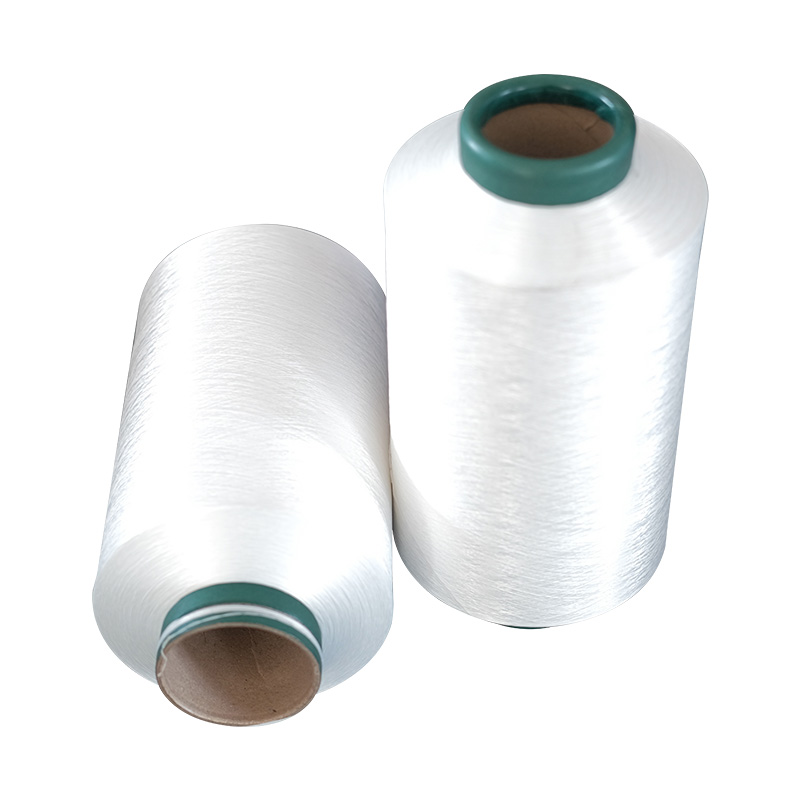
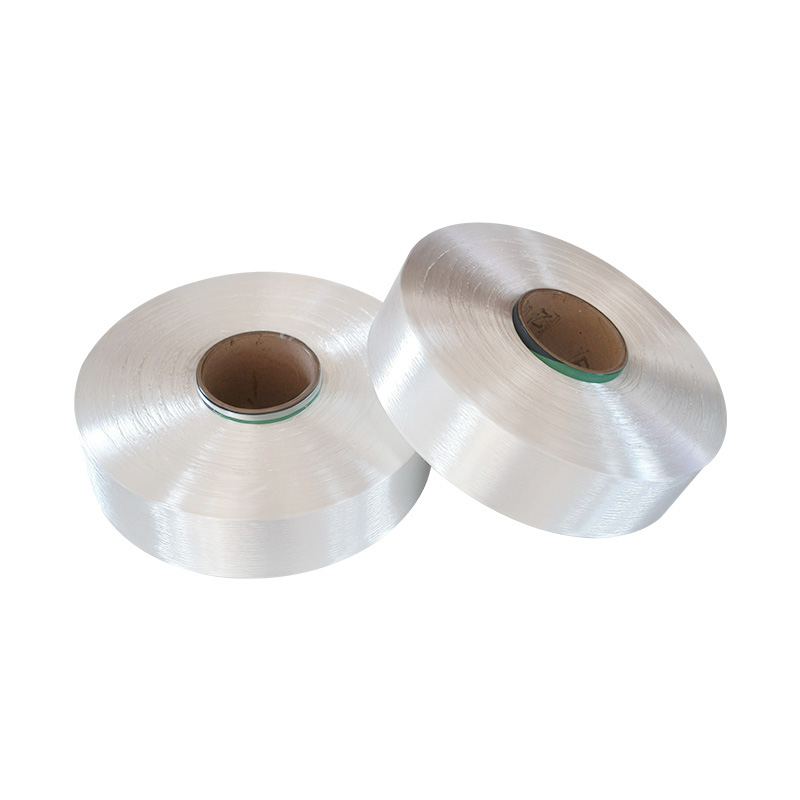
The global textile industry is currently undergoing a significant shift toward functional minimalism. Modern consumers and manufacturers alike are seeking materials that provide maximum performance with minimum physical burden. At the center of this evolution is DTY (Drawn Textured Yarn) hollow yarn, a specialized synthetic fiber designed to address the dual challenges of weight reduction and thermal regulation. By re-engineering the internal architecture of the filament, DTY hollow yarn offers a sophisticated solution for creating high-performance fabrics that do not compromise on comfort or durability.
The Structural Innovation of DTY Hollow Yarn
To understand how DTY hollow yarn contributes to fabric enhancement, one must first look at its cross-sectional morphology. Traditional synthetic fibers are solid throughout. In contrast, hollow yarns are engineered with a continuous longitudinal void or “lumen” running through the center of each filament. This structural vacancy is achieved through high-precision extrusion processes where the polymer is pushed through specialized spinnerets.
The “DTY” aspect refers to the drawing and texturizing process, which introduces crimps, loops, and twists into the hollow filaments. This texturizing not only adds bulk and elasticity but also ensures that the internal air pockets remain stable throughout the weaving or knitting process. The result is a yarn that occupies more volume per unit of mass compared to its solid counterparts.
Mechanisms of Weight Reduction
The most immediate benefit of integrating DTY hollow yarn into textile production is a substantial reduction in fabric weight. Since the core of each fiber is filled with air rather than polymer, the overall density of the yarn is significantly lower.
Density Optimization: By replacing a percentage of the polymer mass with air, manufacturers can produce fabrics that have the same thickness and “hand-feel” as traditional materials but weigh significantly less. This is particularly critical in sectors like outdoor gear and athletic apparel, where every gram of weight affects the user’s endurance and mobility.
Increased Coverage: Because hollow fibers are bulkier, fewer yarns are required to achieve the same level of fabric opacity and coverage. This allows for the creation of lighter-weight weaves that do not appear “thin” or transparent, maintaining the premium aesthetic of the garment while stripping away unnecessary mass.
Enhancing Breathability and Thermal Management
Beyond weight, the internal air column within DTY hollow yarn plays a vital role in moisture management and air permeability. Breathability in fabrics is often misunderstood as merely the passage of air; in technical terms, it involves the efficient transfer of heat and moisture vapor away from the body.
The hollow core acts as a conduit for air. When woven into a textile, these fibers create a micro-climate between the skin and the fabric. The air trapped within the yarn acts as a natural insulator in cold conditions, yet because the yarn is less dense, it allows for faster evaporation of sweat. The texturized nature of DTY further enhances this by creating “inter-fiber” spaces that facilitate capillary action, pulling moisture away from the skin and allowing it to dissipate into the atmosphere.
Comparative Performance Analysis
The following table outlines the functional differences between standard solid DTY and DTY hollow yarn across key performance metrics:
| Performance Metric | Standard Solid DTY | DTY Hollow Yarn | Impact on End-Product |
|---|---|---|---|
| Weight per Volume | High (Dense) | Low (Lightweight) | Reduced wearer fatigue |
| Air Retention | Negligible | High | Superior thermal regulation |
| Moisture Wicking | Surface-based only | Capillary + Core action | Faster drying times |
| Bulk/Fullness | Standard | Enhanced | Improved fabric drape and soft touch |
| Buoyancy | Low | High | Useful for specialized marine textiles |
Applications in Modern Textile Manufacturing
The versatility of DTY hollow yarn allows it to be utilized across various fabric constructions, including circular knits, warp knits, and woven goods.
In the realm of activewear, the yarn is frequently used to create “seasonless” garments. These pieces provide enough insulation for early morning runs while remaining breathable enough to prevent overheating as the body temperature rises.
In casual and formal wear, the yarn is used to create lightweight suits and jackets that retain their shape and structure without the heaviness associated with traditional wool or dense polyester blends. The “loft” provided by the hollow core gives the fabric a natural bounce and wrinkle resistance, which is highly valued in travel-ready apparel.
Furthermore, the home textile sector benefits from this technology in the production of lightweight blankets and upholstery fabrics that offer a plush, voluminous feel without being cumbersome to handle or wash.
Technical Advantages in Dyeing and Finishing
DTY hollow yarn also offers unique advantages during the dyeing process. Because of the increased surface area (both internal and external) and the lower density of the fiber, the yarn often exhibits excellent dye uptake. This allows for vibrant color depths and high color fastness. Additionally, the hollow structure can be utilized to harbor functional additives, such as anti-bacterial agents or UV-reflecting compounds, which can be embedded more effectively than in solid-core fibers.
Conclusion
DTY hollow yarn represents a pinnacle of synthetic fiber engineering. By leveraging the physics of the hollow core and the mechanical benefits of texturizing, it provides a dual-purpose solution for the modern textile market. It effectively strips away weight while adding a layer of sophisticated climate control to fabrics.
FAQ
1. Is DTY hollow yarn as durable as solid synthetic yarn?
Yes. While the yarn has a hollow center, the exterior polymer wall is engineered to maintain high tensile strength. When properly constructed into a fabric, it offers durability and abrasion resistance comparable to standard DTY, with the added benefit of better shape retention.
2. Does the hollow structure collapse during the weaving or knitting process?
No. The structural integrity of DTY hollow yarn is designed to withstand the tensions of industrial looms and knitting machines. The “Drawn” and “Textured” phases of its production ensure that the fiber remains resilient and maintains its cross-sectional shape throughout fabric conversion.
3. Is DTY hollow yarn suitable for sensitive skin?
Generally, yes. Since it is typically made from high-quality polymers like polyester or nylon, it is hypoallergenic. Moreover, its superior breathability and moisture-wicking properties help keep the skin dry, reducing the likelihood of irritation caused by trapped sweat.
4. How does DTY hollow yarn contribute to “warmth without weight”?
The air trapped inside the hollow core of each filament acts as a thermal barrier. Air is a poor conductor of heat, meaning it prevents body heat from escaping in cold weather, providing insulation similar to how double-paned windows work, but in a flexible, lightweight textile form.
5. Can DTY hollow yarn be blended with natural fibers?
Absolutely. It is frequently blended with cotton, wool, or silk to enhance the performance of natural fibers. Adding DTY hollow yarn to a natural blend can reduce the overall weight of the garment and significantly improve its drying speed and wrinkle resistance.