+86-0571-82795522

 LANGUAGE
  English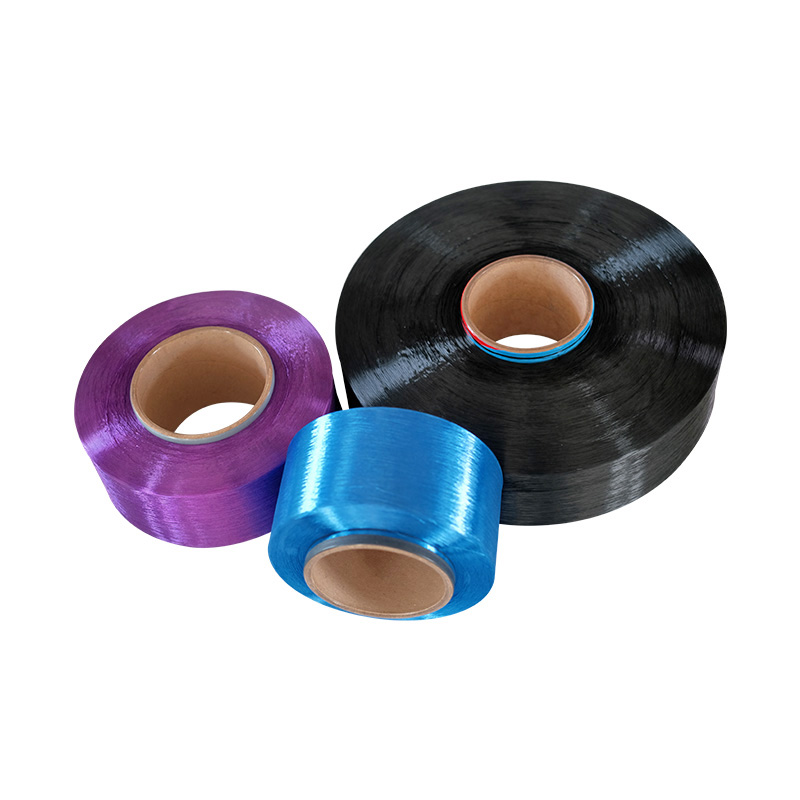
Recycled yarn begins its life not on a spinning machine, but in a collection bin, a factory cutting floor, or a bottle recovery system. Between that starting point and the finished cone, the material passes through a series of industrial operations that determine its strength, price, color behavior, and environmental profile. There is no single answer to the question of how recycled yarn is made. The process shifts with the feedstock, the target fiber type, and the recycling technology chosen. This guide walks through the full production chain and explains where quality is won or lost, so that buyers and product developers can evaluate suppliers with a clearer eye.
The quality of recycled yarn is decided long before the spinning frame; it is decided at the sorting line and in the shredder settings.
What Counts as Recycled Yarn?
Recycled yarn is a continuous strand of fibers reclaimed from an existing product or from manufacturing waste, rather than spun from newly extracted raw materials. The recycled content can come from two distinctly different sources, and each behaves differently on the production line.
- Pre-consumer recycled yarn is made from waste generated inside the textile industry, such as fabric offcuts, mill ends, defective rolls, and spinning waste. This feedstock is relatively clean, uniform, and inexpensive to prepare.
- Post-consumer recycled yarn is made from products collected after their first useful life, including used garments, PET bottles, fishing nets, and old carpets. This feedstock requires extensive sorting and cleaning before it can be spun.
The recycled percentage shown on a specification sheet also needs interpretation. A yarn labeled as containing 50 percent recycled material holds half reclaimed fiber and half virgin fiber, which is usually added to reach strength or spinnability targets. Fully recycled yarns are common for polyester filament, but rare for cotton staple because short reclaimed fibers cannot carry the strength of the yarn alone. Buyers should always check the recycled content declaration and the certification that supports it.
Understanding the difference between these sources matters because it changes expectations about price, consistency, and traceability. It also determines which quality tests are meaningful and how much risk a buyer should plan for in advance.
What Raw Materials Enter the Recycled Yarn Line?
The production route depends heavily on what enters the recycling line. Each feedstock follows its own preparation protocol, and the quality of the incoming bales is the hidden variable in final yarn performance. Clean, sorted, single-polymer waste produces yarn close to virgin quality, while mixed and contaminated waste requires aggressive cleaning and yields shorter and weaker fibers.
| Feedstock Source | Collection Channel | Typical Output Fiber |
|---|---|---|
| PET beverage bottles | Municipal recovery and deposit systems | Recycled polyester filament or staple |
| Mill offcuts and fabric remnants | Direct supply agreements with factories | Recycled cotton, polyester, or blend |
| Used clothing and home textiles | Charity collection and brand take-back programs | Recycled cotton, wool, or blend |
| Fishing nets and old carpets | Industry collection and recycling programs | Recycled nylon |
Color sorting at the input stage has a direct impact on the output. When waste is separated by color before processing, the resulting fiber can be used without re-dyeing. That single decision saves water, chemicals, and energy across the entire chain, and it is the first quality checkpoint that a serious mill controls tightly. Large recycling operations also use density separation and electrostatic separation to remove different polymer types from mixed bales, which further improves the purity of the input stream.
How Is Recycled Yarn Made? The Step-by-Step Process
Although equipment varies between mills, the production chain for mechanically recycled yarn can be summarized in eight stages. The flow below shows the journey from waste bale to finished cone.
Stage 1: Sourcing and Collecting the Waste
Every recycled yarn starts with a waste stream. Post-consumer PET bottles are recovered through municipal collection systems and bottle deposit programs. Textile waste arrives from garment factories, cutting rooms, and brand-led take-back schemes. The composition of these bales, including the share of contaminants such as buttons, zippers, and labels, determines how much preparation the line must perform.
Stage 2: Sorting by Polymer Type and Color
At the sorting line, workers and automated sensors classify the material by polymer type, color, and contamination level. Near-infrared spectroscopy identifies polyester, cotton, polyamide, and their blends at high speed. Color sorting makes it possible to skip dyeing in a later cycle, and it is the cheapest way to improve final yarn quality.
Stage 3: Cleaning, Cutting, and Shredding
Before reprocessing, contamination must be removed. For fabric, this means cutting away zippers, buttons, labels, and seams. For bottles, it means de-capping, de-labeling, hot washing, and flotation separation. The cleaned material is then shredded into flakes or opened into fibers. Shredding settings matter because aggressive cutting shortens fiber length, which directly limits the strength of the final yarn.
Stage 4: Melting, Pelletizing, or Fiber Opening
At this point the mechanical and chemical routes diverge. In chemical recycling, polyester flakes are depolymerized into monomers, purified, and re-polymerized into fresh chips that are nearly identical to virgin polymer. In mechanical recycling, flakes are melted and extruded directly into filament, while opened staple fibers are baled and carried forward to the blending stage.
Stage 5: Blending and Carding
Recycled staple fibers are rarely processed at 100 percent because their length distribution is wider than that of virgin fiber. Production research shows that when recycled and virgin fibers are blended, carding them separately and then layering the two webs improves uniformity more than mixing them at an early stage. The carding machine removes short fibers, separates clumps, and aligns the remaining fibers into a continuous sliver.
Stage 6: Spinning the Sliver into Yarn
The sliver is drafted to the target linear density and then spun. Ring spinning delivers a compact, strong yarn for denim and knitwear. Rotor spinning is faster and tolerates shorter fibers, making it the common choice for recycled cotton blends. Air-jet spinning produces bulkier yarns with a softer hand feel for fashion applications.
Stage 7: Twisting, Heat-Setting, and Winding
After spinning, the yarn is twisted to the required turns per meter, heat-set for dimensional stability when needed, and wound onto dye cones or shipping packages. Electronic yarn clearers scan every meter and remove thick-thin faults on the fly, so that defects do not reach the customer.
Stage 8: Quality Control and Traceability
The final product is tested for linear density, tenacity, elongation, and evenness. Certification schemes such as GRS and RCS verify the recycled content and provide chain-of-custody documentation from the waste source to the finished yarn. Without that documentation, a recycled label is just a claim.
Across all eight stages, the fundamental rule holds: the gentler the treatment of the fiber, the closer the recycled yarn comes to the performance of its virgin counterpart. The best recycled yarn producers are not necessarily those with the fastest machines, but those that balance speed against fiber preservation at every step.
Mechanical vs. Chemical Recycling: Which Route Makes Better Yarn?
The choice between mechanical and chemical recycling is the most important process decision in recycled yarn production. It affects fiber quality, production cost, environmental footprint, and the level of traceability that can be promised to customers.
| Comparison Point | Mechanical Recycling | Chemical Recycling |
|---|---|---|
| Basic principle | Waste is shredded, melted, or re-extruded | Waste is depolymerized and rebuilt |
| Output quality | Slightly lower strength and shorter staple | Near-virgin quality |
| Feedstock tolerance | Prefers clean, single-polymer waste | Handles contaminated or colored waste better |
| Energy and chemicals | Lower energy, limited chemical use | Higher energy, needs solvents or catalysts |
| Common fiber types | PET, nylon, cotton staple | PET, nylon, emerging cellulosic routes |
| Cost position | Lower capital and operating cost | Higher cost and still limited capacity |
Mechanical recycling dominates the current recycled polyester market because the economics are proven at scale. Chemical recycling continues to expand because brands need higher quality and a route toward true circularity. The two systems also differ in what happens at the end of a garment's life: mechanically recycled fiber is often downcycled into lower-value applications over time, while chemically recycled polymer can re-enter the premium textile chain without quality loss.
Buyers comparing the two routes should look beyond the fiber itself. Mechanical recycling requires a local and reliable source of clean waste, while chemical recycling requires a sophisticated plant and a substantial energy supply. The right choice depends on the product category, the target price point, and the level of recycled content the brand wants to claim.
Key Quality Issues to Watch in Recycled Yarn
Recycled yarn behaves differently from virgin yarn in several ways. Knowing where the differences lie prevents unpleasant surprises at the weaving or knitting stage and helps buyers compare quotes fairly.
- Fiber length distribution. Shredding breaks filaments, so recycled staple fiber has a wider length distribution than virgin fiber. Shorter fibers reduce yarn strength and increase surface hairiness.
- Color consistency. Color-sorted input can be spun without dyeing, but poorly sorted mixed-color waste produces yarn with low and unstable brightness.
- Contamination. Residual spandex, sewing thread, and synthetic trims can melt during thermal processing and create hard defects in the fabric.
- Evenness. Thick-thin variation is naturally higher in recycled yarn, so electronic clearing and careful carding settings are essential to keep quality stable.
Integrated yarn manufacturers that control feedstock preparation, spinning, and testing under one roof are better positioned to manage these issues. Modern production sites can convert more than 100,000 tons of polymer per year and serve customers across dozens of countries, which gives them the scale to keep recycled material streams separate and consistent. A dedicated recycled yarn line with documented process control gives buyers a dependable baseline for sportswear, outdoor equipment, and fashion fabrics.
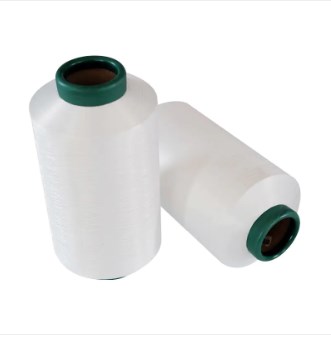
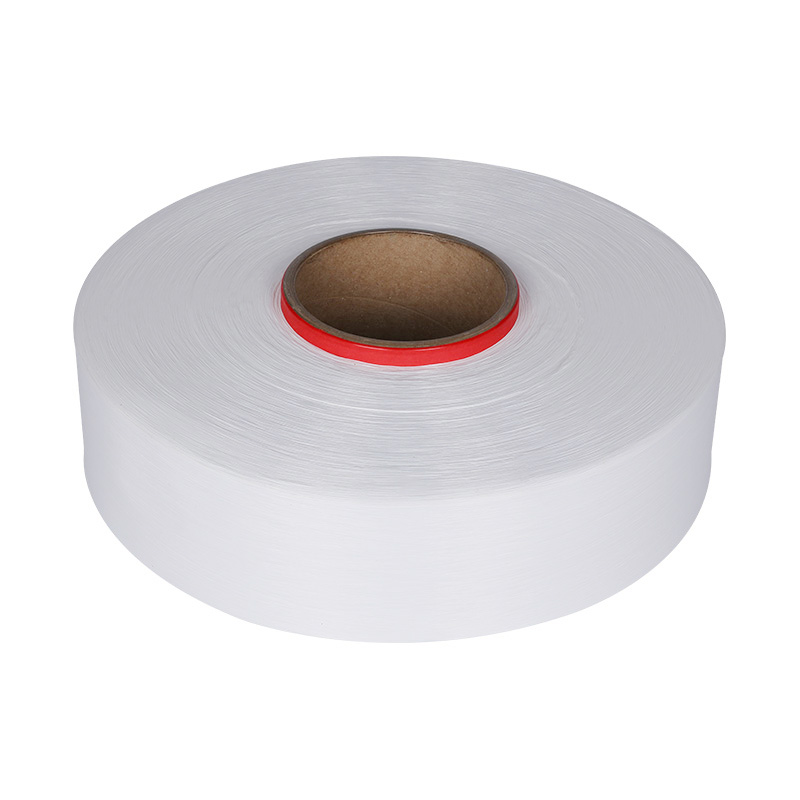
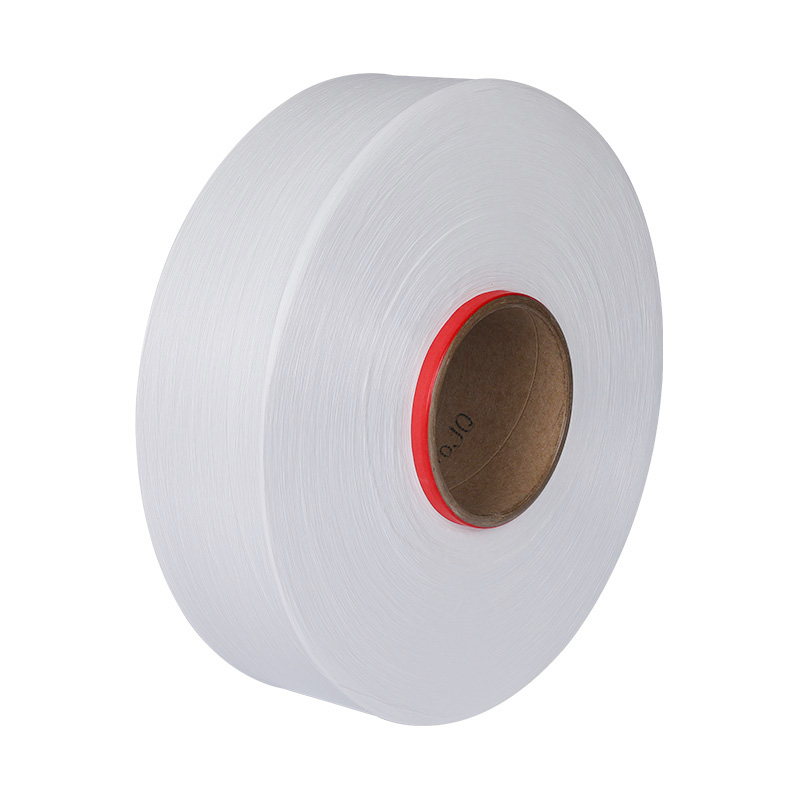
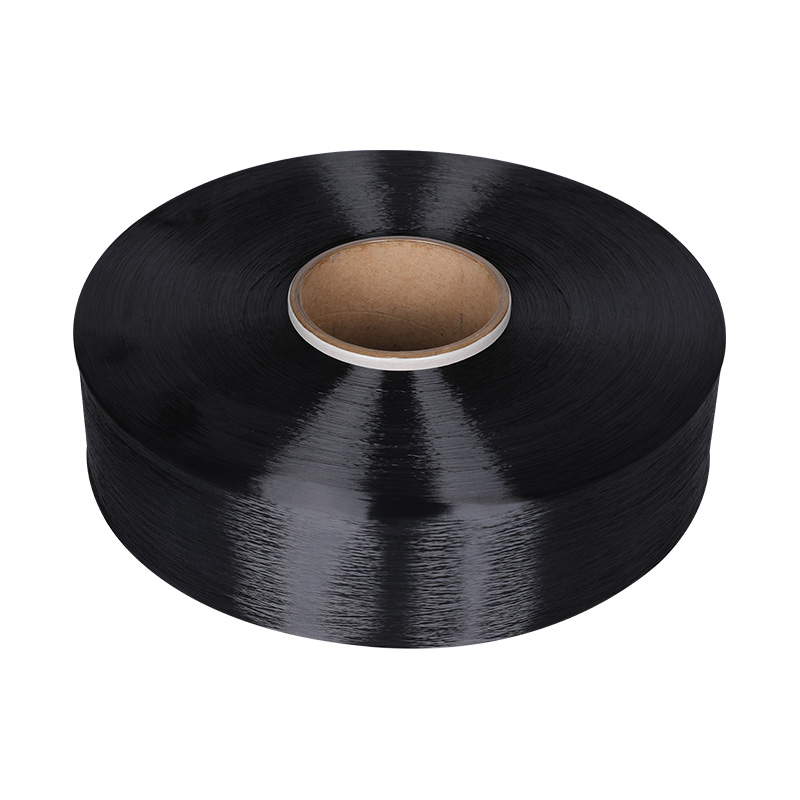
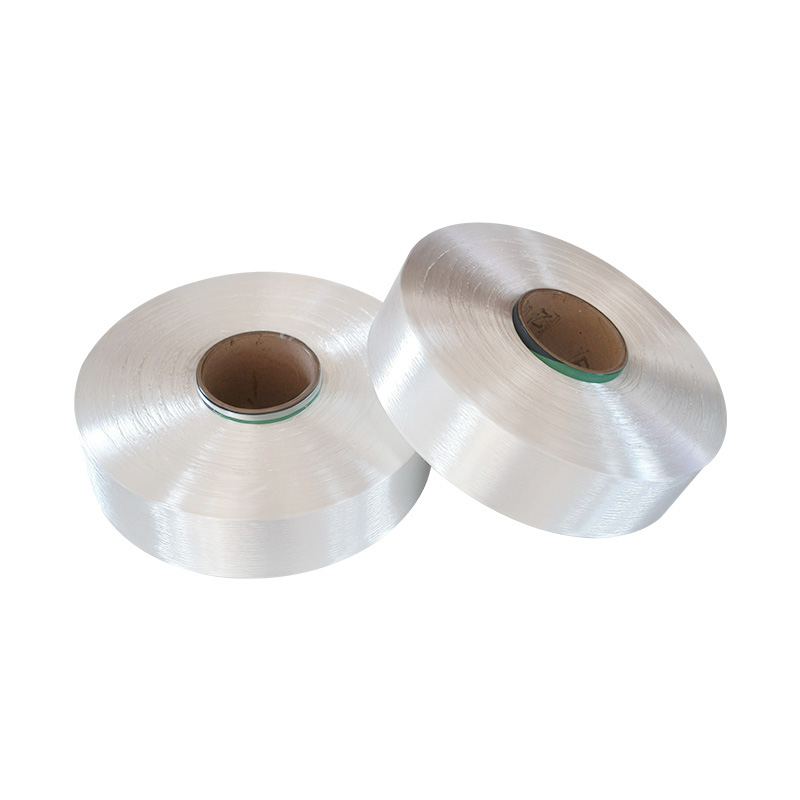 Recycled Polyester Yarn Series with GRS CertificationThis yarn series is made from 100% recycled post-consumer PET, features blockchain traceability, and holds GRS certification, making it a verifiable choice for audits and sustainable supply chains.View Product →
For supply-chain professionals, a mill audit is the strongest form of verification. Inspecting the sorting line, reviewing cleaning records, and confirming that the recycled input is tracked from bale to finished cone tells you far more than any marketing claim. Testing data sheets, lot numbers, and certification documents complete the picture.
A practical buyer checklist: request the recycled content declaration, ask for GRS or RCS certificate numbers, review the tensile test data sheet, and compare the evenness index against a reference virgin yarn.
Where Is Recycled Yarn Already Used in Volume?
Recycled yarn has moved from a sustainability experiment to a standard material option, especially in segments where brands have made public commitments to recycled content. The most active categories today include:
- Sportswear and athleisure. Recycled polyester appears in jerseys, mesh panels, and compression garments, where its moisture management and uniform dyeing behavior are valued.
- Outdoor apparel. Fleece, softshell layers, and insulation linings increasingly rely on recycled filament yarn, often with GRS certification attached.
- Fashion basics. Denim, casual shirting, knitwear, and loungewear use recycled cotton and polyester blends, frequently combined with a small percentage of elastane.
- Home textiles. Blankets, upholstery backing fabrics, and bedding benefit from the lower cost position of mechanically recycled staple.
- Technical textiles. Rope, webbing, automotive interior fabrics, and geotextiles use recycled nylon and polyester where strength and abrasion resistance matter more than appearance.
The strongest demand sits in sportswear and outdoor apparel, where consumers actively look for recycled-content claims and where certification is a competitive requirement rather than a nice-to-have. Brands that publish recycled-content targets tend to specify recycled yarn in their core seasonal programs rather than in limited capsules. That structural demand is what gives recycling lines the capacity utilization they need to remain economically viable.
What Are the Hardest Problems in Recycled Yarn Production?
Recycled yarn is not a drop-in replacement for virgin yarn without trade-offs. Producers face a distinct set of operational challenges that shape both the final cost and the final quality.
- Contamination and blend complexity. Multi-fiber garments are difficult to sort completely. A small share of spandex in a cotton recycling line can melt during spinning and ruin an entire production run.
- Fiber degradation. Every mechanical cycle shortens the fiber. After enough cycles, the fiber becomes too short to spin at commercial quality, which limits how many times a material can be mechanically recycled.
- Lot-to-lot color drift. Feedstock composition changes seasonally, so holding one shade across months of production requires disciplined blending and buffer stock.
- Certification overhead. GRS and similar standards require separate accounting for recycled input and output. The administrative cost is real, but it is also what makes verified claims possible.
- Market exposure. Waste bottle prices and virgin polymer prices both move independently, so the economics of recycled yarn can shift quickly and squeeze margins.
Large producers respond by investing in automated sorting lines, chemical recycling pilots, and tighter in-house quality gates. As regulation and consumer pressure build, the long-term outlook for recycled yarn remains strongly positive, and the technology gap between recycled and virgin material continues to close.
Frequently Asked Questions About Recycled Yarn Production
Q1: Can recycled yarn match the quality of virgin yarn?
Mechanically recycled PET filament can come close to virgin polyester when the input is clean and the extrusion conditions are stable. Recycled cotton staple is more limited because shredding shortens the fibers, and most commercial products blend it with a share of virgin fiber to maintain strength and spinnability.
Q2: What is the difference between pre-consumer and post-consumer recycled yarn?
Pre-consumer yarn comes from manufacturing waste such as mill offcuts and defective rolls. Post-consumer yarn comes from used products collected after their first life, such as old garments and PET bottles. Post-consumer feedstock requires more sorting and cleaning, which raises its cost and makes the final quality more variable.
Q3: How many times can a material be recycled into yarn?
Mechanical recycling can be repeated several times, but fiber strength and color stability decline with each cycle. Chemical recycling breaks polyester down to its monomers and then re-polymerizes it, which mostly eliminates the quality loss and opens the door to genuinely circular textile loops.
Q4: Why is GRS certification recommended for recycled yarn?
The Global Recycled Standard verifies the accuracy of recycled content claims through independent audits and chain-of-custody documentation. It gives buyers confidence that the yarn sold as recycled is genuinely recycled, and it supports their own product labeling, sustainability reports, and customer disclosures.
Q5: Does recycled yarn cost more than virgin yarn?
The price difference depends on feedstock supply, sorting cost, production scale, and certification expenses. Recycled yarn often carries a premium, but the gap has narrowed as collection systems and processing technology have scaled up, and the premium is frequently offset by the brand value of a verifiable sustainability claim.