+86-0571-82795522

 LANGUAGE
  English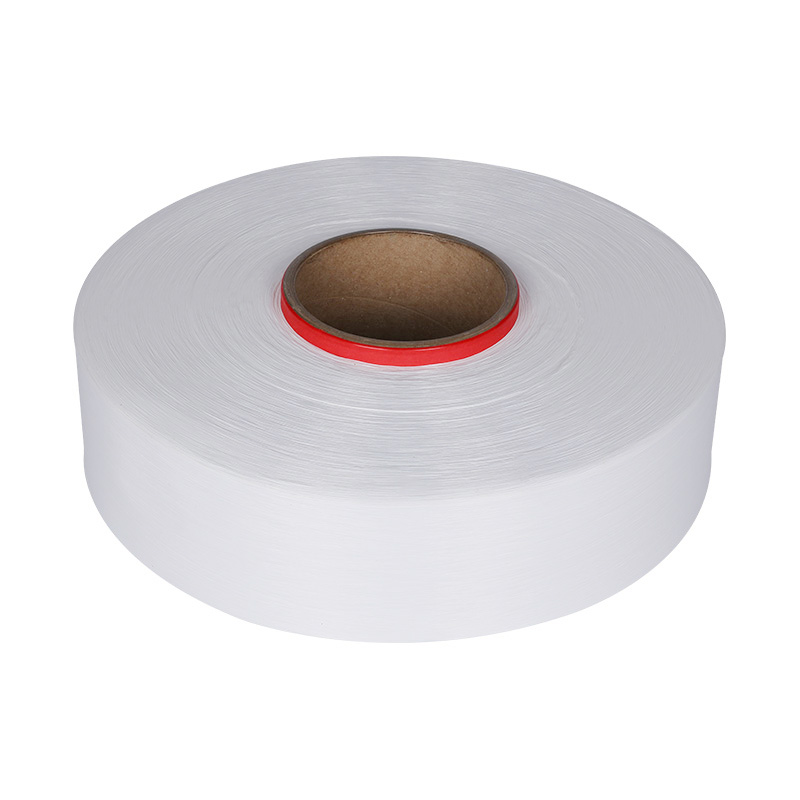
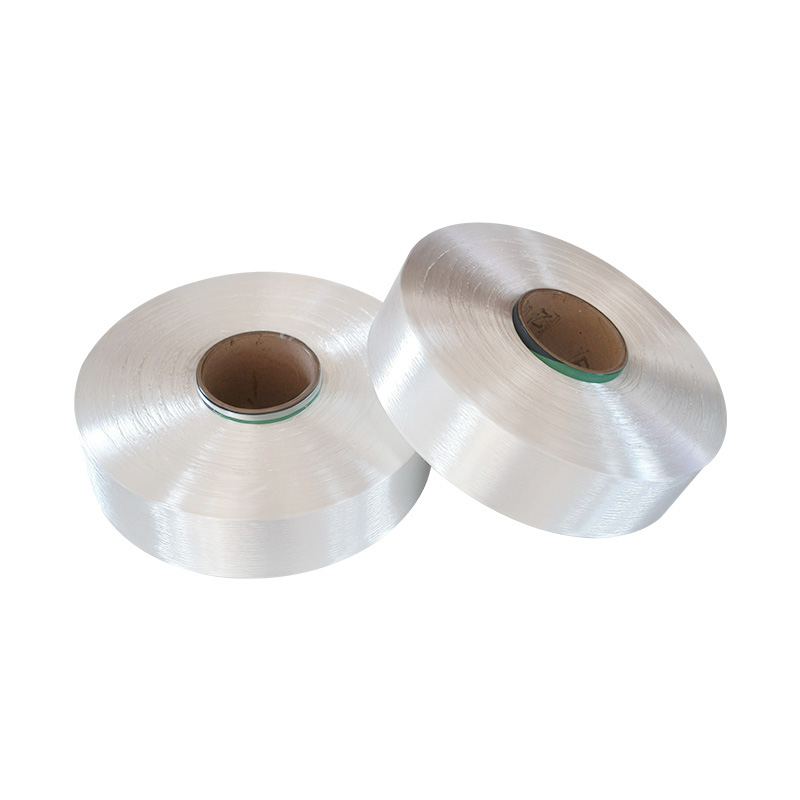
Not every synthetic yarn behaves the same way once it hits a loom or knitting machine. FDY flat yarn earns its place in technical textiles because it arrives fully drawn — stretched and heat-set during production rather than left partially oriented — so it processes consistently batch after batch without the shrinkage surprises that plague lesser synthetic fibers. This guide covers what actually makes FDY yarn behave the way it does, and which specifications matter when sourcing it for apparel, home textiles, or industrial fabric production.
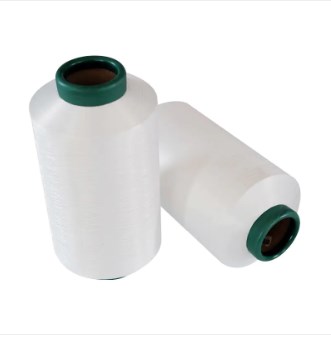
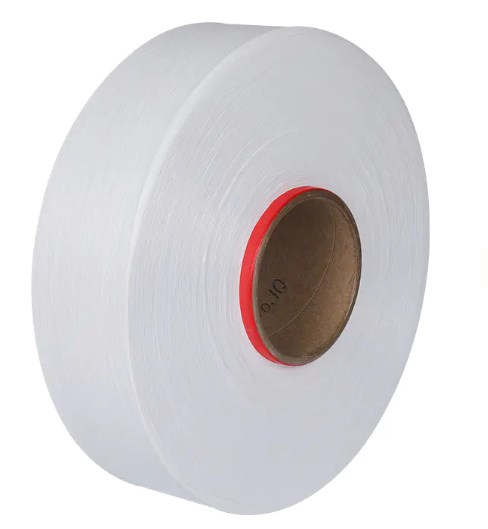
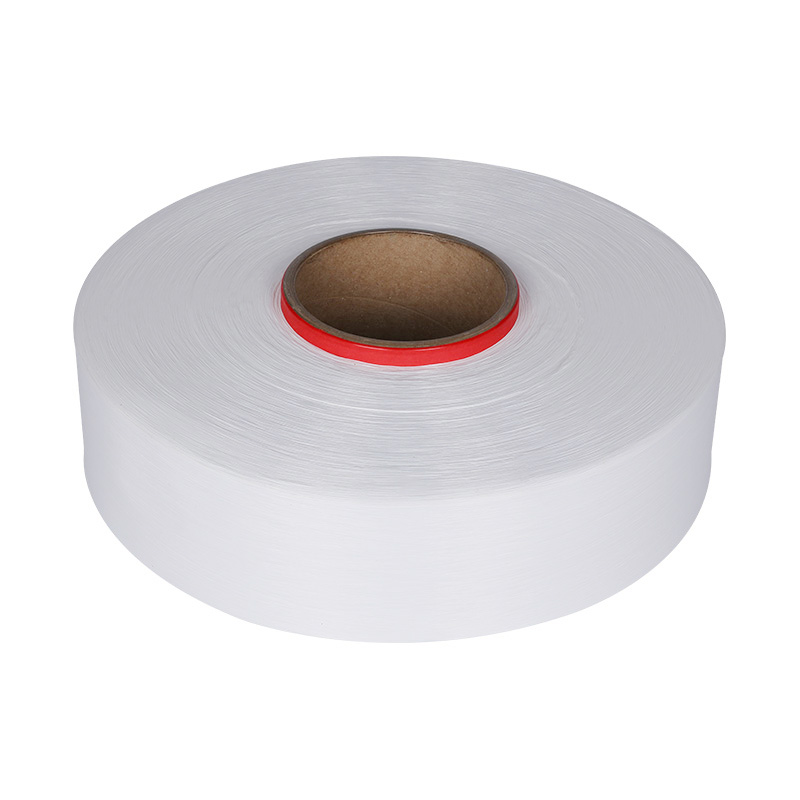
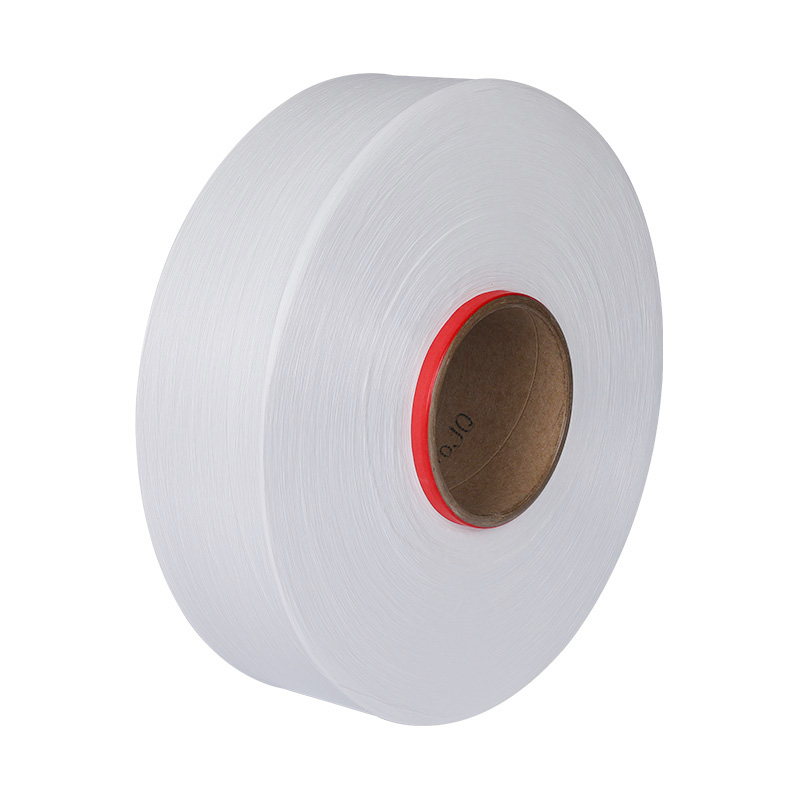
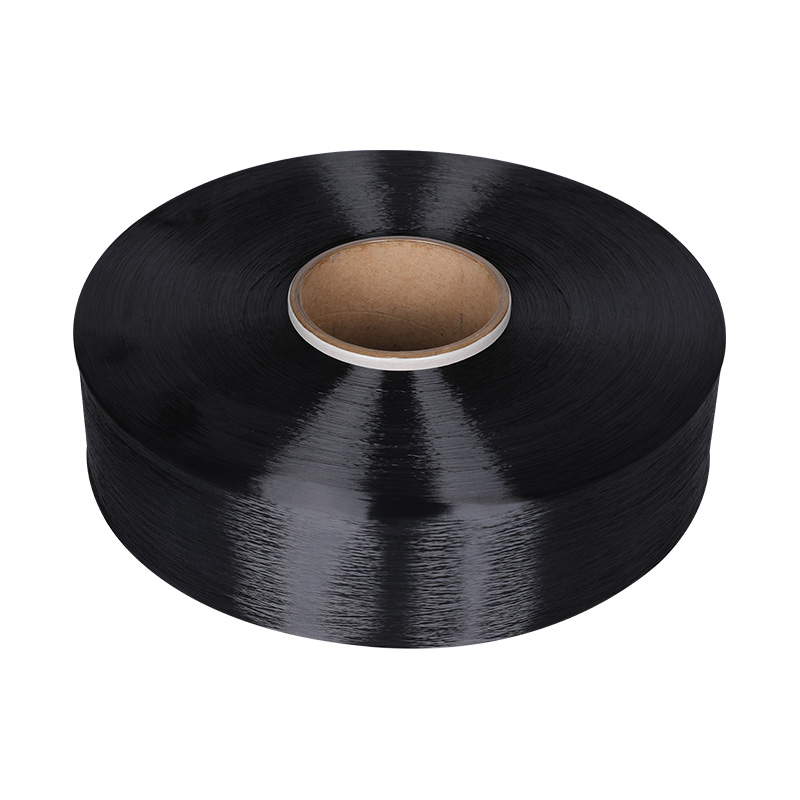
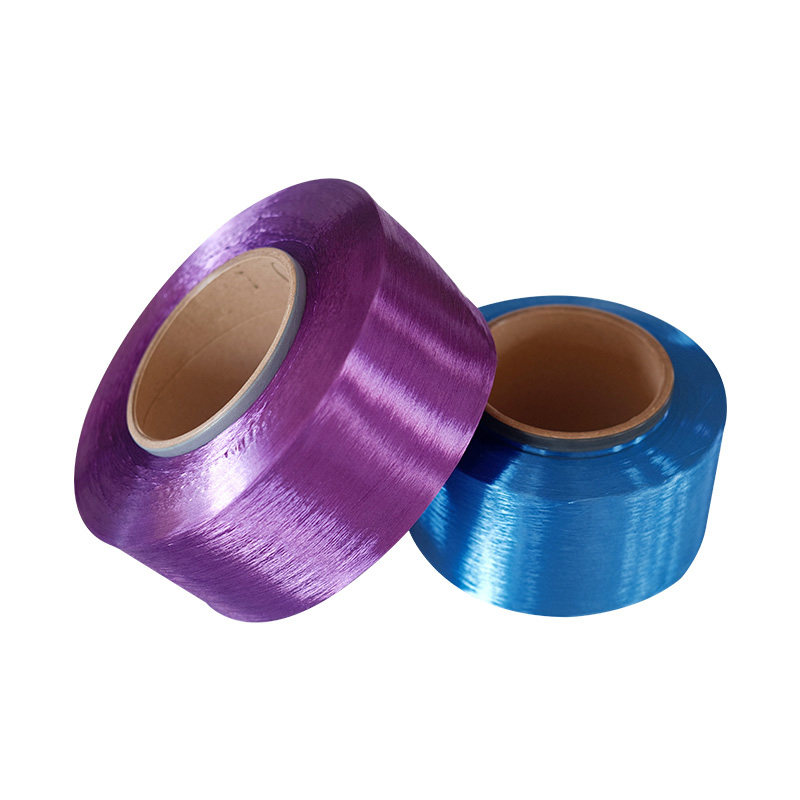
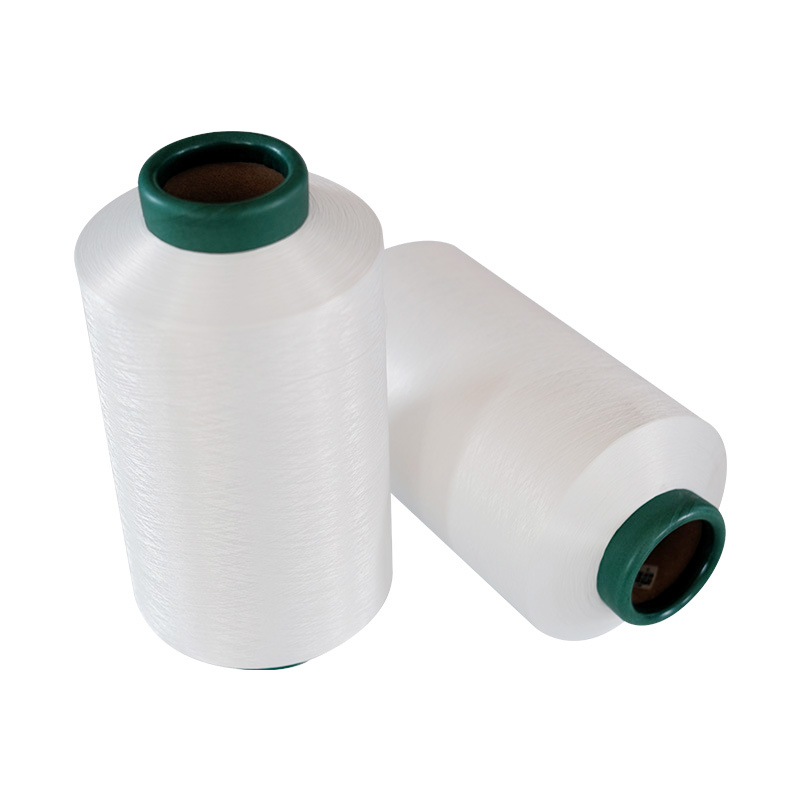
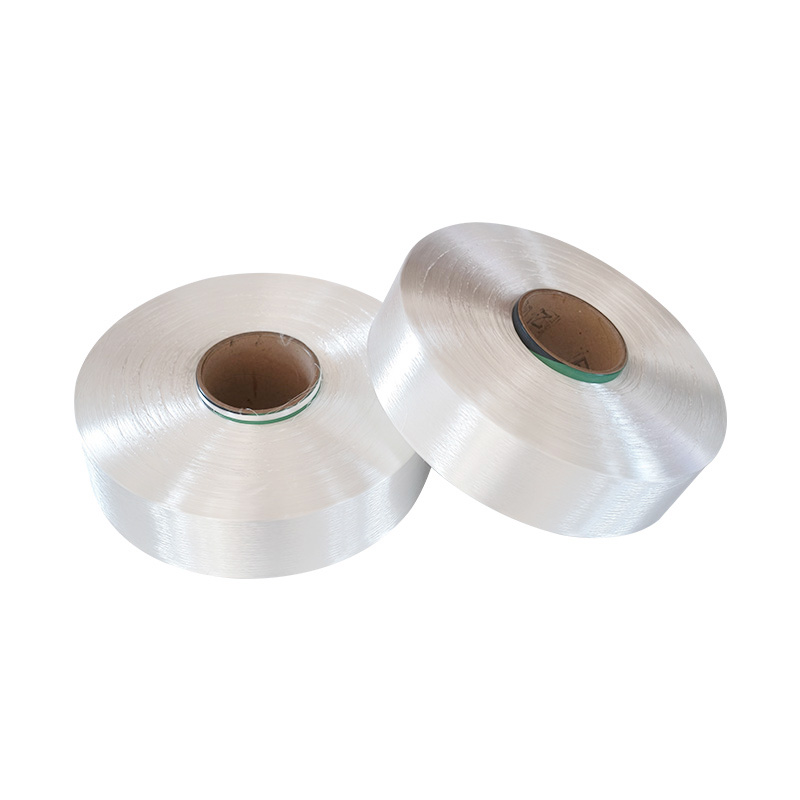
FDY, or fully drawn yarn, is a synthetic filament yarn stretched and heat-set to its final molecular orientation during spinning, ready for direct weaving or knitting without additional drawing steps.
What Makes FDY Yarn Fully Drawn
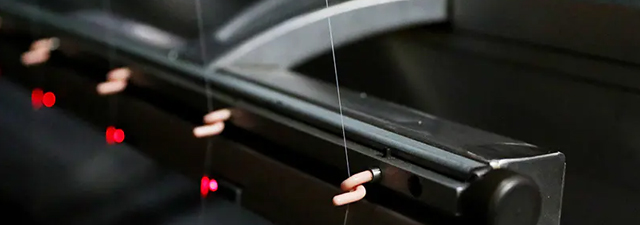
Where partially oriented yarn needs a separate drawing stage before it can be woven, FDY completes that stretching and heat-setting during the spinning process itself. The result is a continuous filament yarn with stable molecular structure, smooth surface, and dimensions that hold steady through dyeing, finishing, and repeated washing.
Physical Traits That Define the Yarn
From Polymer Chip to Finished Yarn
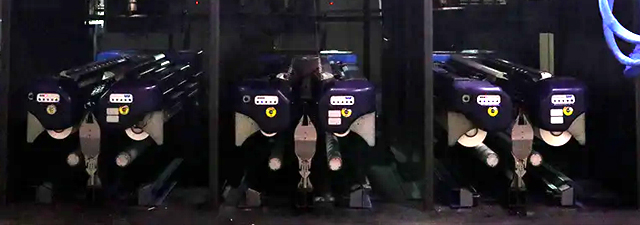
The production sequence is what gives FDY its stability, and every stage contributes to the finished properties a textile mill relies on.
Melt Spinning
Polyester polymer is melted and extruded through fine spinnerets.
Cooling
Filaments solidify into continuous strands as they cool.
Drawing
Filaments are stretched to align molecular structure and build strength.
Heat Setting
Stabilizes the drawn structure so it holds shape through processing.
Specifications to Check Before Ordering
Where FDY Flat Yarn Gets Used
FDY Yarn vs Other Synthetic Yarns
| Factor | FDY Flat Yarn | Alternative Synthetic Yarns |
| Processing readiness | Direct to weaving or knitting | Often needs additional drawing |
| Dimensional stability | Low shrinkage, consistent sizing | Varies by processing method |
| Dye performance | Uniform color uptake across batches | Can vary with filament structure |
| Production efficiency | Streamlined for large-scale runs | Depends on additional processing steps |
Choosing the Right FDY Yarn for Your Fabric
Start with the end use. A sportswear fabric wants a different denier and filament count than an upholstery textile or an industrial filter fabric. Match tensile strength to expected wear, and confirm shrinkage rate fits your finishing process, especially for fabrics that go through heat-setting or repeated washing after weaving.
Questions to Ask a Yarn Supplier
Frequently Asked Questions
What is the difference between FDY and POY yarn?
FDY is fully stretched and heat-set during spinning and can be woven directly, while POY is only partially oriented and needs a separate drawing stage before processing.
Does FDY yarn shrink during dyeing or finishing?
FDY yarn is engineered for low shrinkage and dimensional stability, making it more predictable through dyeing and finishing than less stable synthetic yarns.
Can FDY flat yarn be dyed evenly across large batches?
Yes, its uniform filament structure supports consistent dye absorption, which is one of the main reasons mills prefer it for large production runs.
Is FDY yarn suitable for industrial, not just apparel, fabrics?
It is. FDY yarn's strength and stability make it a common choice for filter fabrics, reinforcement textiles, and other technical fabric applications beyond clothing.
Sourcing FDY flat yarn with the right denier, strength, and shrinkage specification keeps a fabric line running predictably from spinning through finishing.