+86-0571-82795522

 LANGUAGE
  English
Leftover Scraps No More: The Verdict
Old textiles are not waste—they are a valuable resource. Through advanced recycling technologies, discarded garments, production offcuts, and household linens can be transformed into high-quality recycled yarn that matches the performance of virgin fibers. The textile industry is undergoing a fundamental shift: by 2026, China's waste textile recovery is expected to exceed 20 million tonnes, with comprehensive utilization rates reaching 30%. Globally, the recycled yarn market was valued at USD 4.48 billion in 2025 and is projected to grow to USD 6.93 billion by 2032.
The question is no longer whether we can recycle textiles, but how fast we can scale the solutions. This article cuts through the noise and delivers a practical, data-driven roadmap for turning leftover scraps into gorgeous new yarn—covering everything from market forces and recycling processes to product types and future innovations.
Why Recycled Yarn Is No Longer a Niche
The surge in recycled yarn is not a trend—it is a structural realignment driven by regulation, consumer demand, and economics.
Policy Tailwinds
In 2022, China's National Development and Reform Commission, together with the Ministry of Commerce and the Ministry of Industry and Information Technology, issued the Implementation Opinions on Accelerating the Circular Utilization of Waste Textiles, setting clear targets: a 25% circular utilization rate for waste textiles and 2 million tonnes of recycled fiber production by 2025. The EU's Circular Economy Action Plan demands a 90% textile recycling rate by 2030. These mandates are forcing brands and manufacturers to embed recycled content into their supply chains.
Consumer Pull
62% of global consumers are willing to pay a premium for eco-friendly products (2025 data). Major apparel brands have responded by raising their recycled material usage from 10% in 2020 to 35% in 2025. This consumer pull, combined with brand commitments, creates a powerful demand signal for recycled yarn.
Economic & Environmental Math
Every tonne of recycled textiles saves 3.6 tonnes of CO₂ emissions, 0.5 tonnes of crude oil, and 20 tonnes of water compared to virgin production. With virgin fiber prices becoming more volatile and recycling technologies driving down costs, the economic case for recycled yarn grows stronger each year.
From Scraps to Spools: The Recycling Journey
Turning old textiles into new yarn is a multi-stage process. Below is a high-level overview of the typical mechanical recycling pathway— the most widely deployed method today.
1. Collection & Sorting
Waste textiles are collected from consumer take-back programs, municipal waste streams, and industrial offcuts. Sorting is critical: only about 2% of waste textiles currently go to industrial recycling, and just 1% achieves closed-loop recycling. Advanced sorting technologies—including near-infrared (NIR) spectroscopy—are improving efficiency by identifying fiber composition and color.
2. Shredding & Cleaning
Sorted textiles are mechanically shredded to break them down into fibrous fragments. This is followed by cleaning processes that remove impurities such as buttons, zippers, and non-textile components. Mechanical recycling shortens fibers with each cycle, which is why fiber length and quality degrade after multiple passes.
3. Carding & Spinning
The cleaned fibers are carded to align them into a uniform web, then drawn and twisted into yarn through ring spinning or open-end rotor spinning. Research shows that compact ring spinning can incorporate up to 50% recycled cotton while maintaining acceptable yarn quality. The resulting recycled yarn can be used alone or blended with virgin fibers to achieve desired strength and hand-feel.
Two Roads to Recycled Yarn: Mechanical vs. Chemical
Not all recycled yarn is created equal. The choice between mechanical and chemical recycling determines the quality, cost, and environmental footprint of the final product.
| Aspect | Mechanical Recycling | Chemical Recycling |
| Process | Physical shredding, cleaning, carding, and spinning | Depolymerization to monomers, purification, repolymerization |
| Fiber Quality | Degrades with each cycle; shorter fibers | Virgin-equivalent quality; no degradation |
| Feedstock | Clean, single-fiber streams (e.g., cotton, polyester) | Mixed, contaminated, or dyed textiles |
| Applications | Home textiles, industrial wipes, low-end apparel | High-end apparel, automotive interiors, performance wear |
| Market Share | ~70% of recycled fiber production | Rapidly growing; ~30% and climbing |
Chemical recycling is the frontier. Technologies like BHET methanolysis can break down polyester into base molecules, which are then repolymerized into virgin-quality fiber. This process reduces carbon emissions by 60–85% compared to virgin production and saves 100 tonnes of water and 5,000 kWh per tonne of product. However, chemical recycling remains more capital-intensive, which is why mechanical recycling still dominates volume.
The Recycled Yarn Series: What's Available
The term "recycled yarn" encompasses a diverse product family. Understanding the distinctions helps buyers and specifiers choose the right yarn for their application.
By Fiber Type
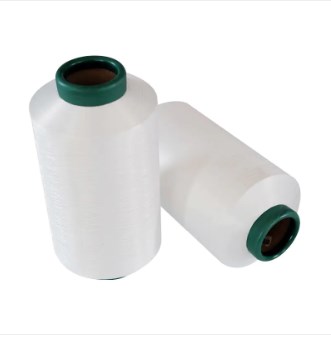
- Recycled Polyester (rPET) Yarn — Made from post-consumer PET bottles and textile waste. Global rPET yarn sales reached RMB 8.49 billion in 2025, with a projected CAGR of 15.7% through 2032. POY (partially oriented yarn) accounts for 42% of the market, while DTY (drawn textured yarn) is the fastest-growing segment at 18% CAGR.
- Recycled Cotton Yarn — Produced from pre-consumer and post-consumer cotton waste. Breakthroughs in ionic liquid spinning now enable closed-loop cotton recycling with over 99% solvent recovery. Recycled cotton yarns can be blended at up to 50% without significant quality loss.
- Recycled Nylon / Polyamide Yarn — Emerging from industrial waste streams (e.g., fishing nets, carpet fibers). These yarns offer high durability and are increasingly used in activewear and outdoor gear.
- Blended Recycled Yarns — Combinations of recycled and virgin fibers, or blends of different recycled fibers, tailored to specific performance requirements.
By Product Form
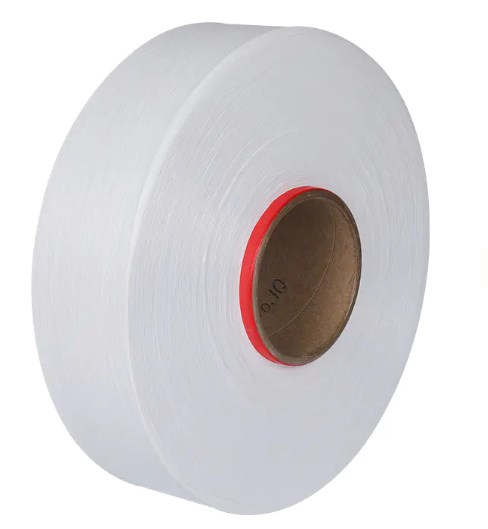
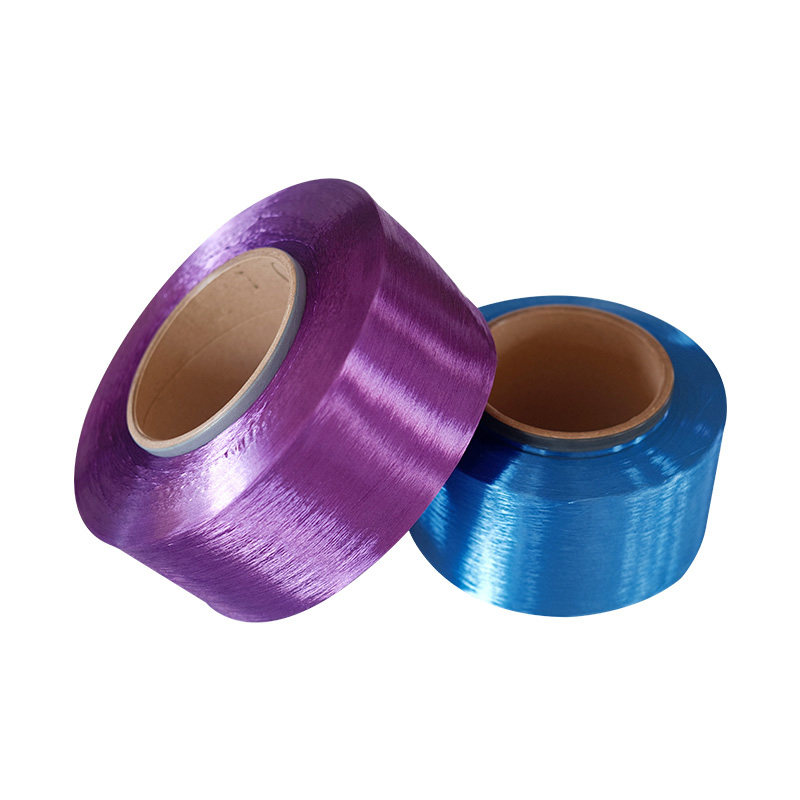
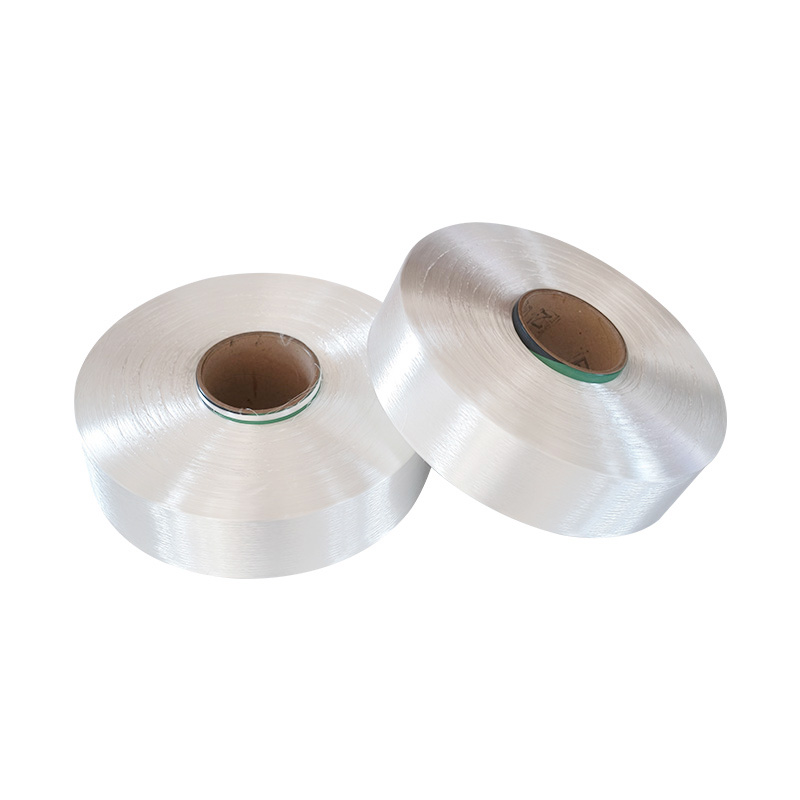
- Filament Yarns — Continuous strands used in weaving and knitting for apparel and technical textiles.
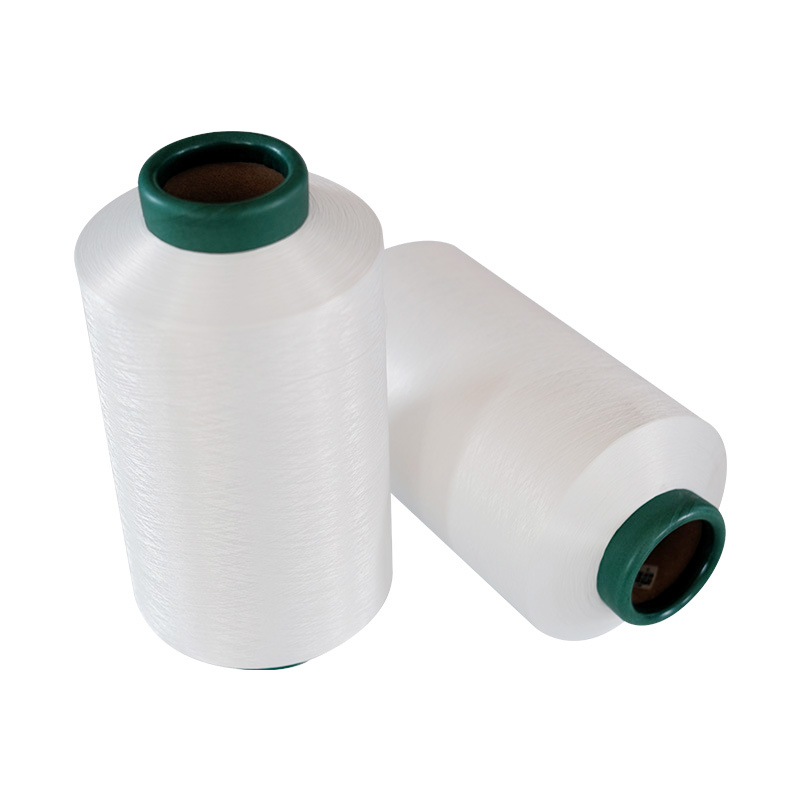
- Spun Yarns — Staple fibers twisted together, offering a softer hand-feel for garments and home textiles.
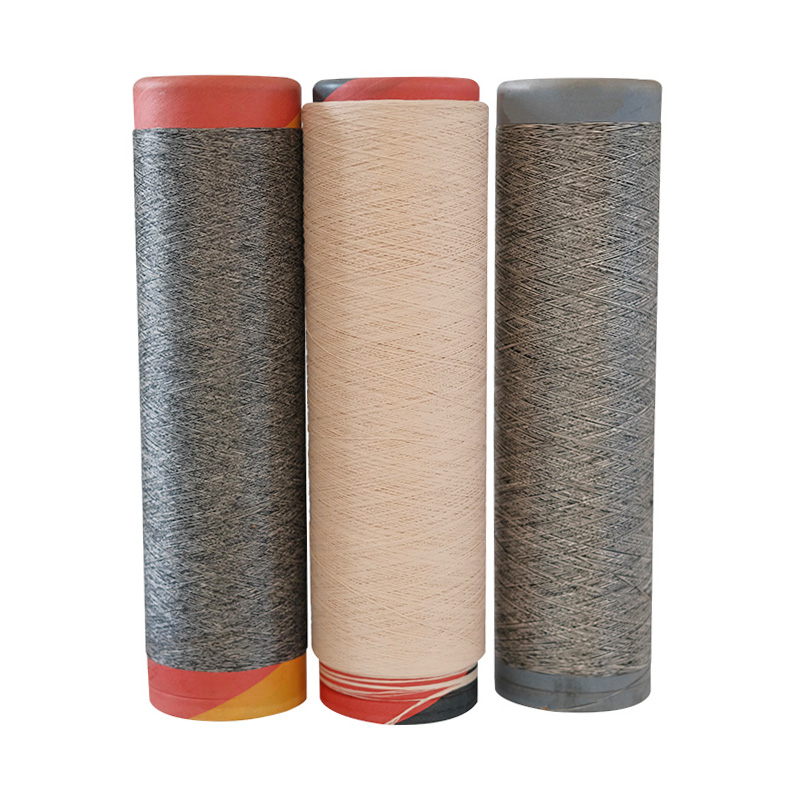
- Fancy Yarns — Specialty yarns with textured, slub, or novelty effects, often used in fashion and décor.
The Environmental Case for Recycled Yarn
Recycled yarn is not just a marketing story—it delivers measurable environmental wins. Consider these benchmarks:
- Energy: China's textile industry reduced energy consumption per unit of output by over 65% between 2005 and 2024. Recycled fiber production is a major contributor to this improvement.
- Emissions: Each tonne of recycled textiles avoids 3.6 tonnes of CO₂ emissions compared to virgin production. Chemical recycling processes can achieve 50–85% lower carbon footprints than virgin routes.
- Water: Recycling one tonne of textiles saves 20 tonnes of water—a critical benefit in water-stressed regions. Chemical recycling of cotton can save 100 tonnes of water per tonne of product.
- Waste diversion: 73% of waste textiles are still incinerated or landfilled globally. Scaling recycled yarn production directly diverts this waste from disposal.
The gap between aspiration and reality is narrowing. In 2025, recycled fiber usage surpassed 3 million tonnes annually, growing at an average rate of 12% per year. But with over 26 million tonnes of waste textiles generated each year in China alone, the opportunity for growth remains massive.
What's Next for Recycled Yarn?
The recycled yarn industry is evolving rapidly. Here are the key trends that will shape the next decade.
1. Textile-to-Textile (T2T) Closed-Loop Systems
The holy grail is fiber-to-fiber recycling—where old garments become new garments without quality degradation. Chemical recycling technologies are making this a reality for polyester, and recent breakthroughs have extended T2T recycling to cotton as well. By 2026, chemical rPET fiber capacity is expected to grow explosively, driven by both policy and commercial investment.
2. Product Digital Passports (DPP)
Transparency is becoming a competitive advantage. The Product Digital Passport initiative, launched by the China National Textile and Apparel Council in 2025, creates a digital record of each product's lifecycle— from design and production to consumption and recycling. This enables verifiable claims about recycled content and facilitates better sorting at end-of-life.
3. Blended-Fiber Recycling
Most garments are made from fiber blends (e.g., cotton-polyester, wool-nylon), which have traditionally been difficult to recycle. New separation technologies—including enzymatic and solvent-based methods—are emerging to handle these complex feedstocks. This will dramatically expand the pool of recyclable textiles.
4. Cost Parity with Virgin Fibers
As recycling technologies scale and virgin fiber prices fluctuate, the cost gap between recycled and virgin yarn is shrinking. Policy incentives, such as China's recycled material subsidies covering over 30% of textile enterprises, are further narrowing the economic divide.
Frequently Asked Questions
Is recycled yarn as strong as virgin yarn?
It depends on the recycling method. Mechanically recycled yarn typically has lower strength and shorter fiber length than virgin yarn, which is why it is often blended with virgin fibers. Chemically recycled yarn, however, can achieve virgin-equivalent performance because the polymer is fully depolymerized and repolymerized.
What types of textiles can be recycled into yarn?
Virtually any textile—cotton, polyester, nylon, wool, and blends— can be recycled, though the optimal technology varies. Mechanical recycling works best for clean, single-fiber streams, while chemical recycling can handle mixed, dyed, or contaminated materials.
How much recycled content can a yarn contain?
Up to 100% for chemically recycled yarns. For mechanically recycled yarns, 50% recycled content is achievable with proper spinning techniques, though higher percentages may affect yarn strength and uniformity. Many commercial products use blends of 10–50% recycled content to balance sustainability and performance.
Is recycled yarn more expensive than virgin yarn?
Historically yes, but the gap is closing. Mechanical recycled yarns are approaching cost parity with virgin alternatives. Chemical recycled yarns remain more expensive due to higher capital and operating costs, but economies of scale and policy support are driving costs down.
How can I verify that a yarn is genuinely recycled?
Look for third-party certifications such as GRS (Global Recycled Standard), RCS (Recycled Claim Standard), and OEKO-TEX. These certifications provide traceability and ensure that recycled content claims are accurate.