+86-0571-82795522

 LANGUAGE
  English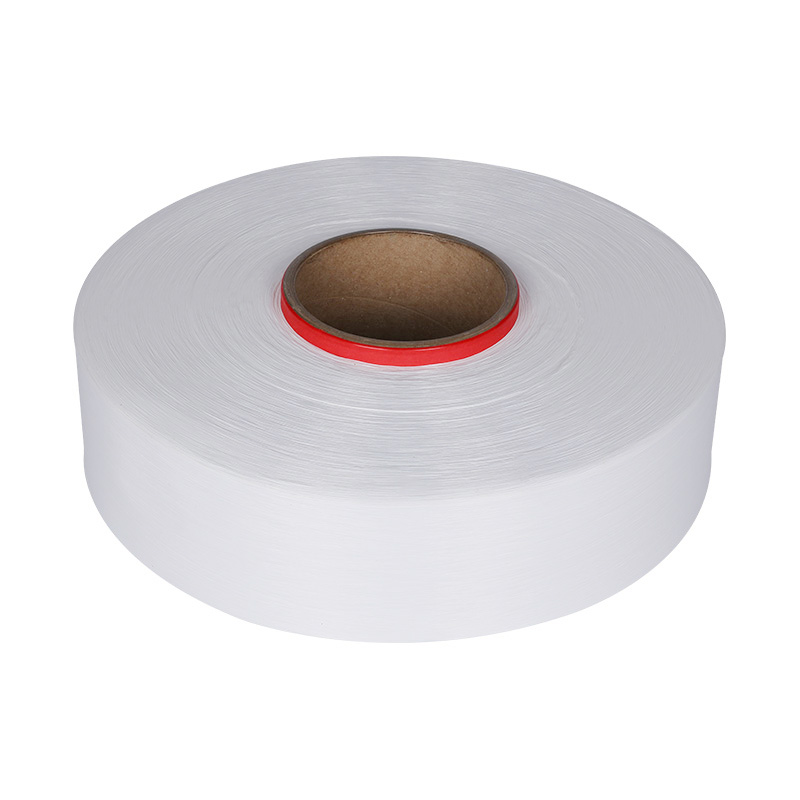
In the world of advanced textiles, the difference between a standard fabric and a superior one often begins with a single, overlooked component: the yarn. While many consumers focus on fiber content or weave structure, industry professionals know that the true foundation of fabric performance lies in how the yarn itself is manufactured. Among the most significant innovations in synthetic yarn production is FDY flat yarn—a technology that has quietly redefined expectations for smoothness, strength, and consistency.
What Is FDY Flat Yarn?
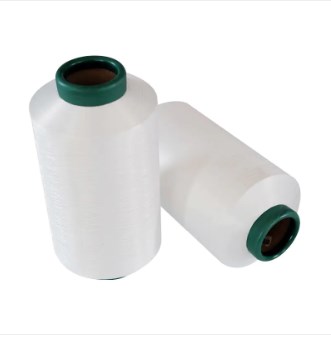
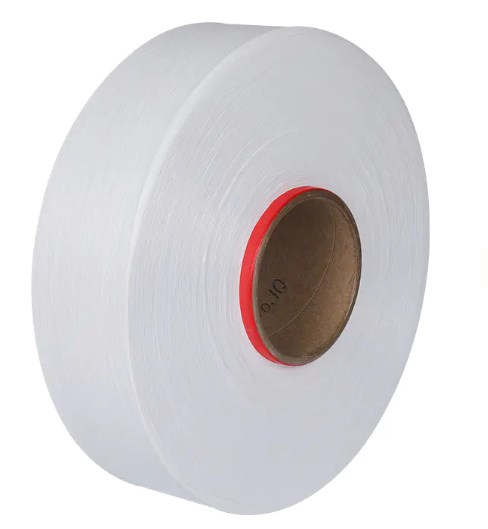
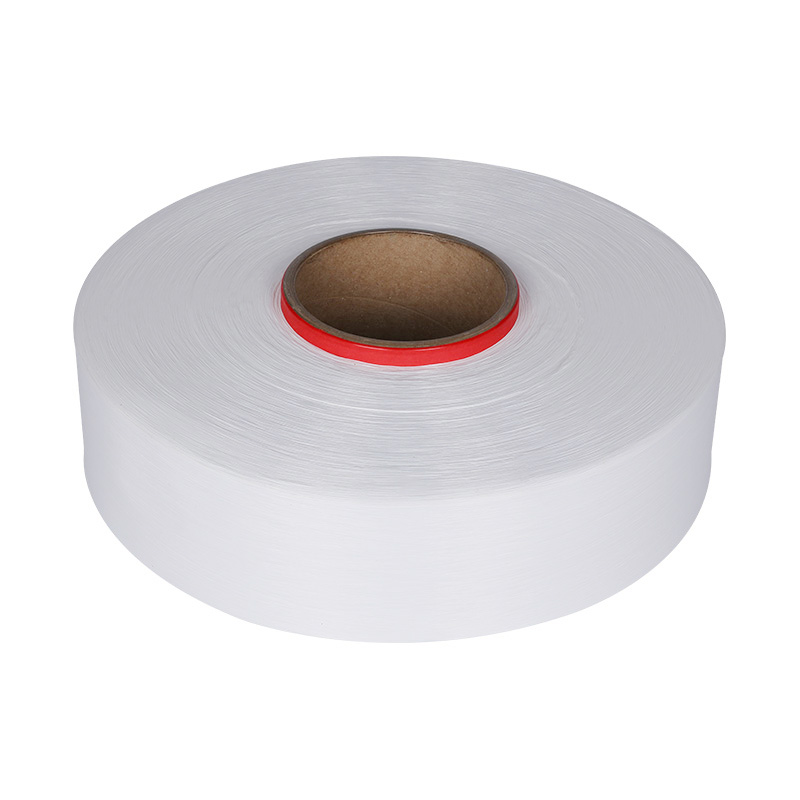
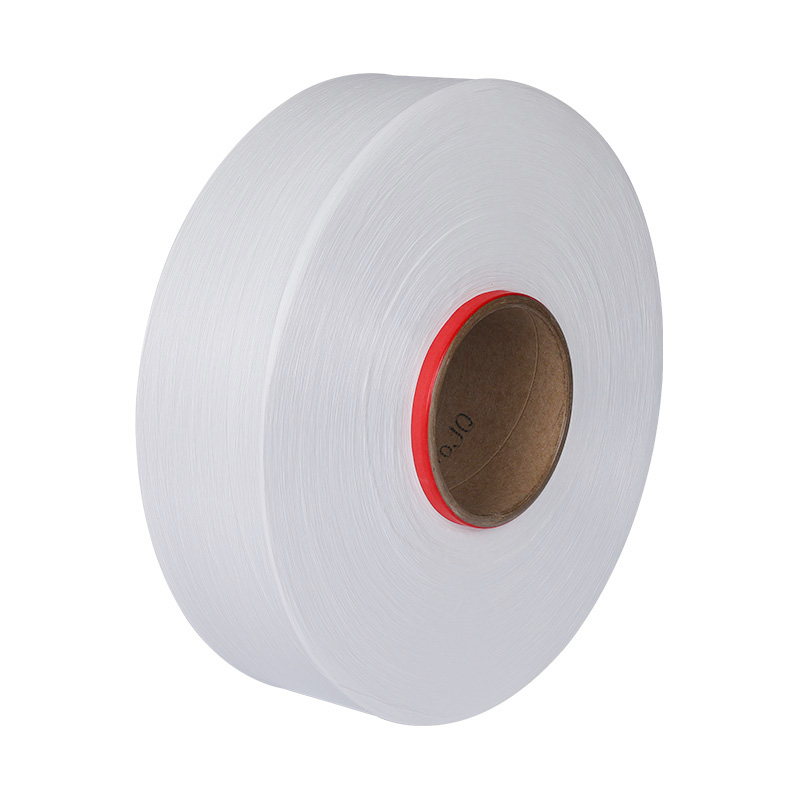
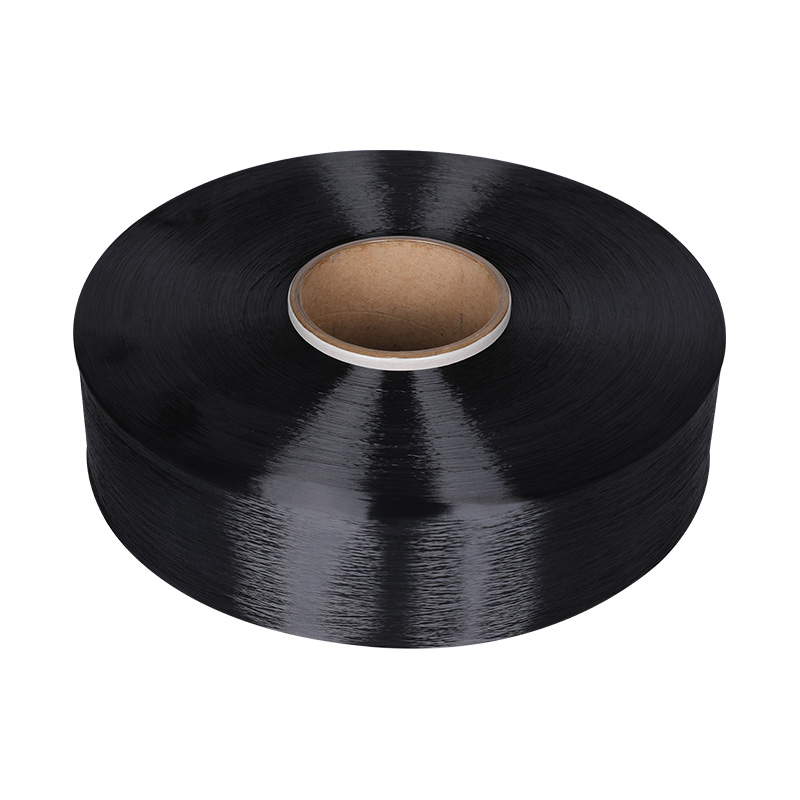
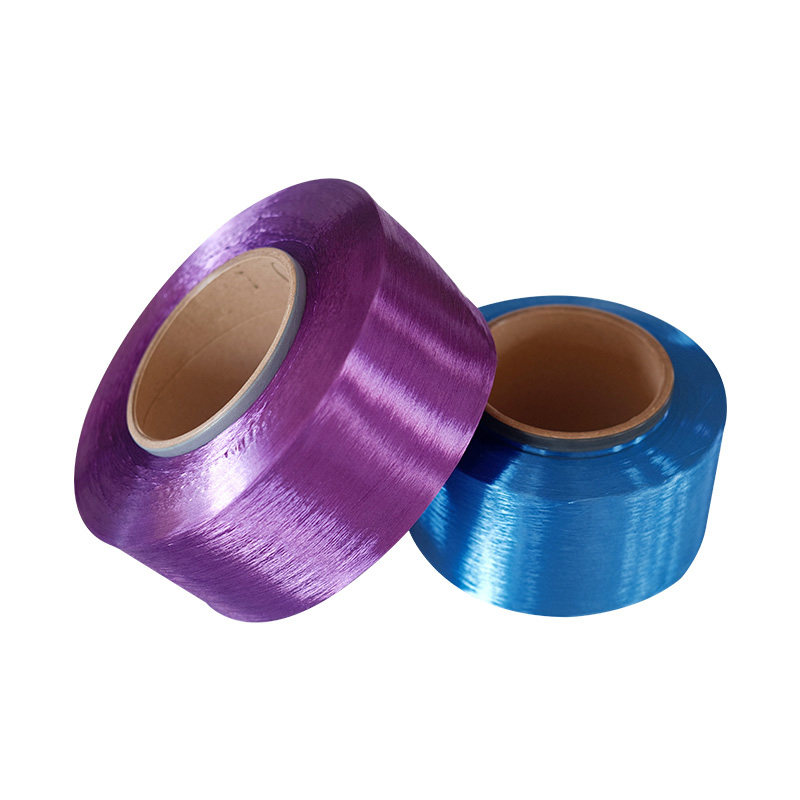
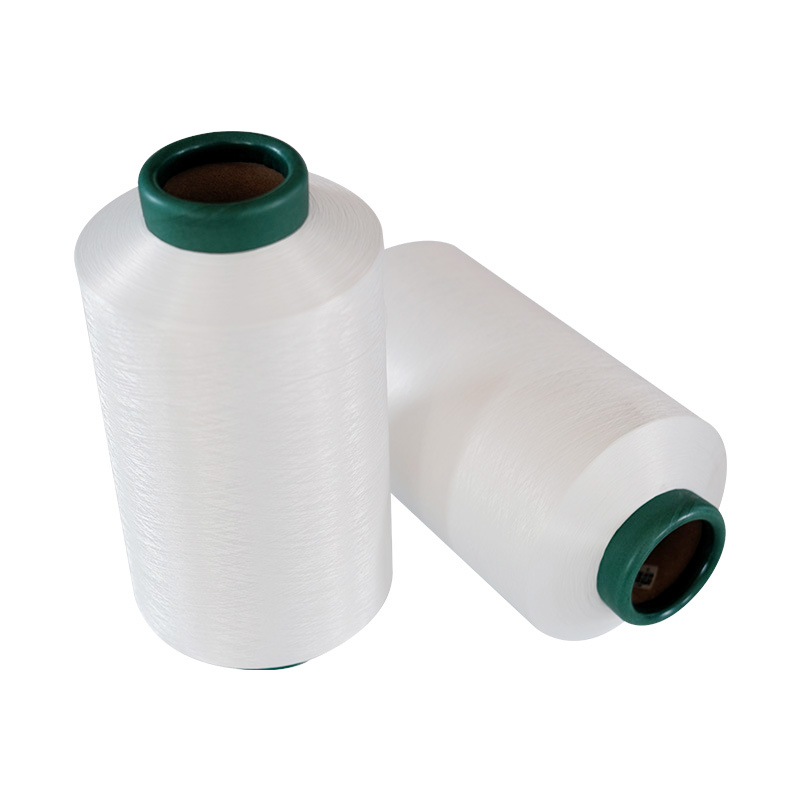
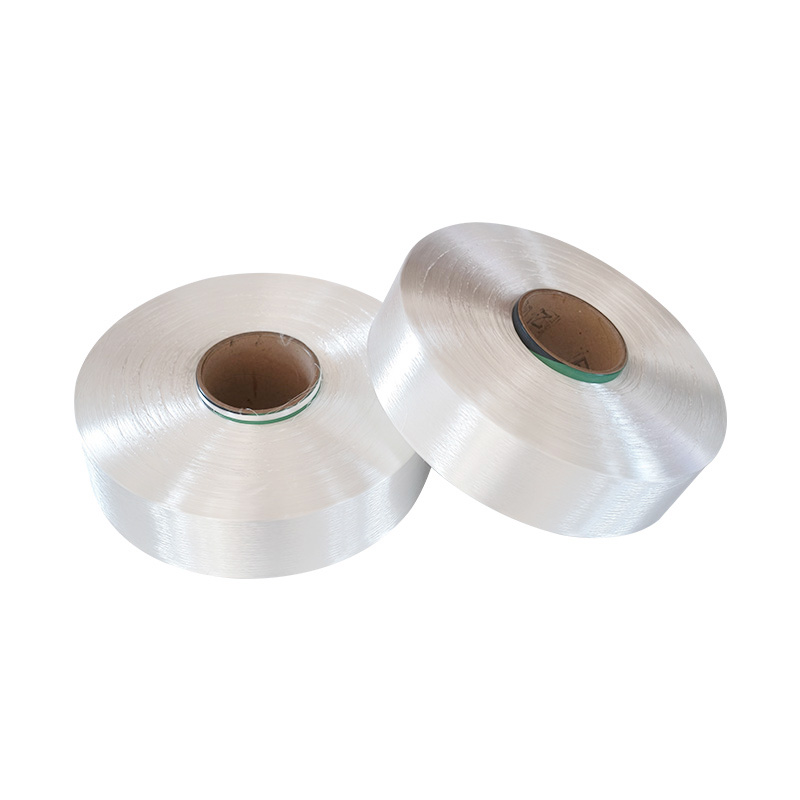
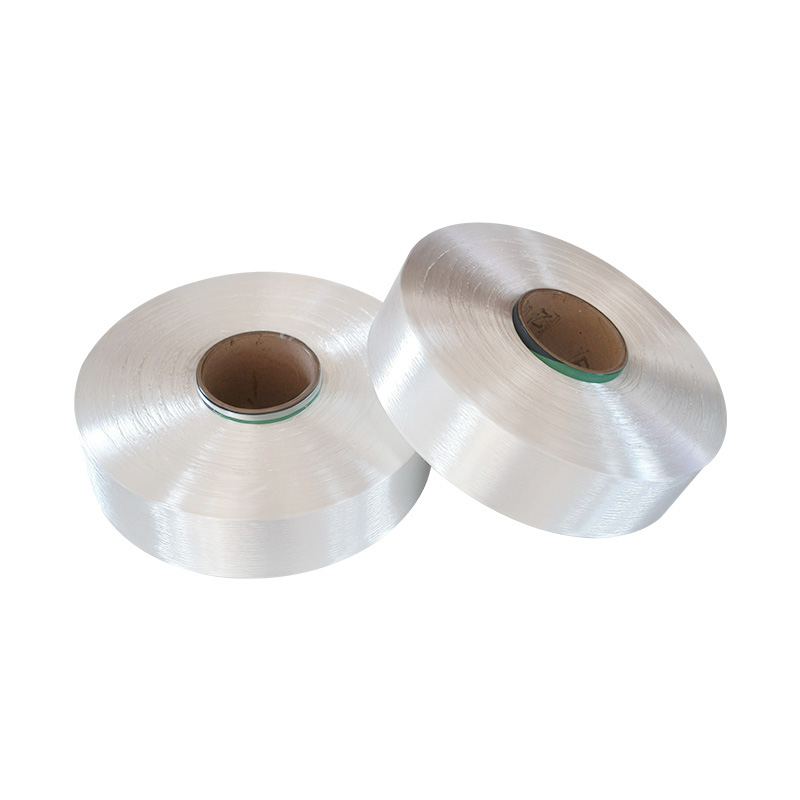
To understand the secret behind premium textiles, one must first grasp what FDY flat yarn actually is. FDY stands for Fully Drawn Yarn, a process in which synthetic filaments—typically polyester or nylon—are extruded and fully stretched in a single, continuous production step. Unlike partially oriented yarn (POY), which requires additional drawing, FDY emerges from the spinneret already oriented and crystallized. The “flat” specification refers to the absence of texturing; this yarn is produced as a smooth, straight filament without crimps or bulk.
This combination of full drawing and flat geometry yields a yarn with exceptional uniformity, low shrinkage, and a clean surface. In practical terms, FDY flat yarn feels smooth to the touch, exhibits high tensile strength, and provides a crisp, clean appearance in woven or knitted fabrics. These characteristics make it fundamentally different from drawn textured yarn (DTY), which is designed for stretch and softness.
The Manufacturing Process: Precision in Motion
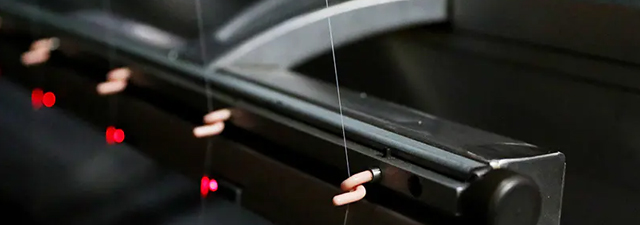
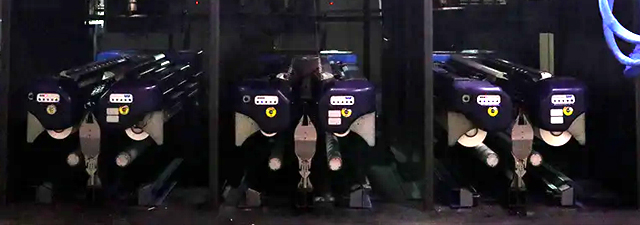
The production of FDY flat yarn relies on a tightly controlled melt-spinning process. Polymer chips are melted and extruded through a spinneret to form fine filaments. Immediately after extrusion, the filaments pass through a cooling zone, then enter a series of heated godet rolls. These rolls stretch the yarn to several times its original length, aligning the polymer molecules along the filament axis. This orientation is what grants FDY flat yarn its distinctive strength and dimensional stability.
Unlike textured yarns, which undergo an additional air-jet or false-twist step to create loops and coils, FDY flat yarn moves directly to winding after drawing. The absence of texturing preserves the filament’s original surface smoothness, resulting in a lustrous, even appearance. The entire process happens at speeds often exceeding 4,000 meters per minute, demanding extreme precision in temperature, tension, and take-up.
| Production Step | Purpose | Outcome for FDY Flat Yarn |
|---|---|---|
| Polymer extrusion | Form continuous filaments | Uniform diameter |
| Air or water cooling | Solidify filaments | Prevent deformation |
| Heated godet drawing | Molecular orientation | High strength, low elongation |
| Final winding | Package formation | Consistent tension, no tangles |
Why FDY Flat Yarn Elevates Fabric Quality
The secret to high-quality fabrics often lies in subtle properties that end users feel but cannot name. FDY flat yarn contributes to fabric excellence in four critical ways:
Surface Smoothness and Luster
Because the yarn is fully drawn and left untextured, the filaments lie parallel and close together. This creates a flat, even surface that reflects light uniformly, giving fabrics a clean, often silky sheen. Garments made from FDY flat yarn resist pilling and fuzzing, maintaining a new appearance longer.
Dimensional Stability
Fully drawn yarns have already been stretched to their final orientation. As a result, fabrics made from FDY flat yarn experience minimal shrinkage or distortion during dyeing, finishing, or home laundering. This property is especially valuable for products requiring precise fit and shape retention—such as tailored clothing, automotive interiors, or home textiles.
High Tensile Strength
The molecular alignment achieved during drawing gives FDY flat yarn superior breaking strength compared to partially drawn or unoriented yarns. Fabrics can withstand higher mechanical stress during weaving, knitting, and end use, reducing breakage rates and extending product lifespan.
Even Dye Uptake
Uniform filament structure means fewer amorphous regions where dye might absorb unevenly. FDY flat yarn produces fabrics with excellent color consistency—no streaks, shading, or patchiness. This predictability is essential for high-end fashion, technical textiles, and any application where appearance is critical.
Comparing FDY Flat Yarn to Other Yarn Types
To fully appreciate FDY flat yarn, it helps to position it against common alternatives. The table below summarizes key distinctions without naming specific commercial products.
| Property | FDY Flat Yarn | POY + Draw Texturing | Spun Yarn (Cotton-like) |
|---|---|---|---|
| Surface | Smooth, lustrous | Textured, soft | Fibrous, matte |
| Strength | Very high | Moderate | Low to moderate |
| Shrinkage | Low | Higher | Variable |
| Hand feel | Crisp, cool | Bulky, warm | Soft, natural |
| Common use | Linings, sportswear, home textiles | Stretch fabrics, upholstery | Casual apparel |
This comparison shows that no single yarn type is universally superior; rather, FDY flat yarn excels where smoothness, strength, and precision are paramount.
Applications of FDY Flat Yarn in High-End Textiles
While FDY flat yarn is versatile, it has become particularly prominent in several demanding segments:
Apparel Linings and Interlinings
The smooth surface reduces friction against outer fabrics and other garments, allowing easy wear and preventing static cling. Linings made from FDY flat yarn also resist wrinkling, keeping the garment’s internal structure clean.
Sportswear and Activewear
High strength and low moisture absorption make FDY flat yarn suitable for performance wear where freedom of movement and durability are required. The filament structure does not trap moisture against the skin, aiding breathability.
Home Textiles
Curtains, upholstery, and bedding benefit from the yarn’s dimensional stability and colorfastness. Fabrics retain their drape and appearance after repeated washing or exposure to sunlight.
Technical and Industrial Fabrics
Applications requiring narrow width tolerance and consistent mechanical properties—such as conveyor belts, filtration media, or coated fabrics—often rely on FDY flat yarn for its uniform cross-section and high modulus.
The Role of Additives and Modifications
Base FDY flat yarn can be engineered further through additives introduced during extrusion. These modifications expand its utility without altering the fundamental flat-yarn structure:
- Delusterants (e.g., titanium dioxide) reduce gloss for a semi-dull or fully matte finish.
- UV stabilizers protect against degradation in outdoor applications.
- Antimicrobial agents can be embedded for medical or hygiene textiles.
- Color masterbatches produce solution-dyed yarns with exceptional wash-fastness.
Such modifications allow FDY flat yarn to serve both aesthetic and functional roles, bridging the gap between commodity textiles and specialty engineered fabrics.
Quality Indicators for FDY Flat Yarn
Not all FDY flat yarns perform equally. Discerning manufacturers evaluate several metrics to ensure fabric quality:
- Tenacity (cN/dtex): Measures breaking strength. Higher tenacity yields more durable fabrics.
- Elongation at break: Lower elongation (typically 20–35%) indicates better dimensional stability.
- Uniformity (Uster %): Variations in yarn thickness can cause streaks or barre in fabrics.
- Shrinkage in boiling water: Values below 3–5% are generally desirable for minimal processing distortion.
- Oil pick-up: Residual spin finish must be controlled to avoid dyeing irregularities.
These parameters are typically verified using standardized testing methods, ensuring that FDY flat yarn delivers consistent performance across production batches.
Environmental and Efficiency Considerations
The textile industry faces increasing pressure to reduce waste and energy consumption. FDY flat yarn offers several inherent advantages in this regard. Because the yarn is fully drawn in one step, it eliminates the need for separate drawing or texturing processes, reducing energy use per kilogram of output. Additionally, the high strength of FDY flat yarn allows for finer deniers without sacrificing fabric integrity, potentially reducing material consumption for a given application.
Waste generation is also lower. The smooth, uniform nature of FDY flat yarn produces fewer breaks during weaving or knitting, and any waste yarn can often be recycled back into extrusion—especially in polyester varieties. However, like all synthetic yarns, FDY flat yarn does not biodegrade rapidly, so end-of-life recycling remains an area of ongoing development. Some manufacturers are exploring mechanically recycled FDY flat yarn made from post-industrial waste, though maintaining the same strength and smoothness remains challenging.
Common Misconceptions About FDY Flat Yarn
Even among experienced textile professionals, a few myths persist regarding FDY flat yarn:
Myth 1: FDY flat yarn feels “plastic-like”
In reality, the hand feel depends heavily on filament fineness and fabric construction. Fine-denier FDY flat yarn (e.g., 20–50 denier) produces fabrics that feel silky and luxurious, not stiff or plastic.
Myth 2: It cannot be blended with natural fibers
FDY flat yarn blends readily with cotton, wool, or linen in warp-knit or woven structures. The synthetic component adds strength and wrinkle resistance while the natural fiber provides comfort.
Myth 3: All flat yarns are the same
Significant differences exist in polymer type (polyester vs. nylon), cross-section shape (round vs. trilobal), and additive packages. These variables dramatically alter fabric performance and aesthetics.
Practical Guidance for Fabric Sourcing
For brands and manufacturers aiming to produce premium textiles, specifying FDY flat yarn requires attention to a few key decisions:
- Denier selection: Lower deniers (20–100) for lightweight, soft fabrics; higher deniers (150–600) for durable, structured textiles.
- Luster level: Bright, semi-dull, or fully dull—choose based on desired final sheen.
- Filament count: More filaments per denier produce softer, more draped fabrics; fewer filaments yield crisper, stiffer cloth.
- Twist level: Zero-twist or low-twist FDY flat yarn works well for warp knitting; slight twist may be added for weaving efficiency.
Working with a reliable technical partner who can provide full specifications—including tenacity, elongation, and shrinkage data—is more valuable than focusing solely on price per kilogram.
Conclusion: The Unseen Engine of Fabric Excellence
High-quality fabrics do not happen by accident. Behind every smooth, strong, and color-consistent textile lies a foundation of precise yarn engineering. FDY flat yarn represents one of the most successful solutions to the industry’s eternal challenge: creating synthetic filaments that mimic the best qualities of natural fibers while surpassing them in uniformity and durability. From the crisp lining of a tailored jacket to the flawless drape of performance activewear, FDY flat yarn works invisibly but indispensably. Understanding this technology is not merely an academic exercise—it is the secret to making better fabrics, batch after batch.