+86-0571-82795522

 LANGUAGE
  English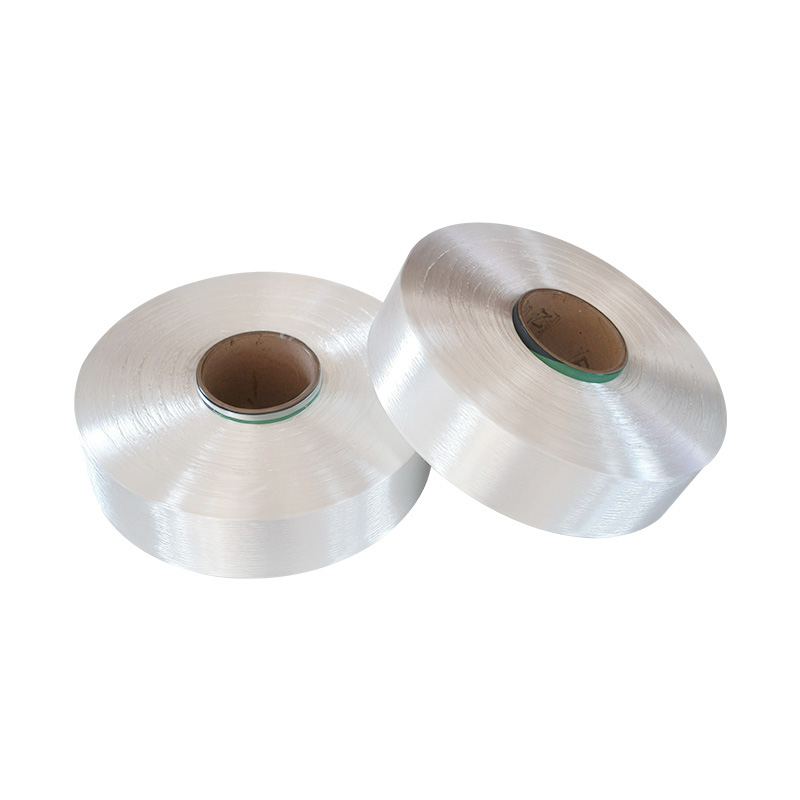
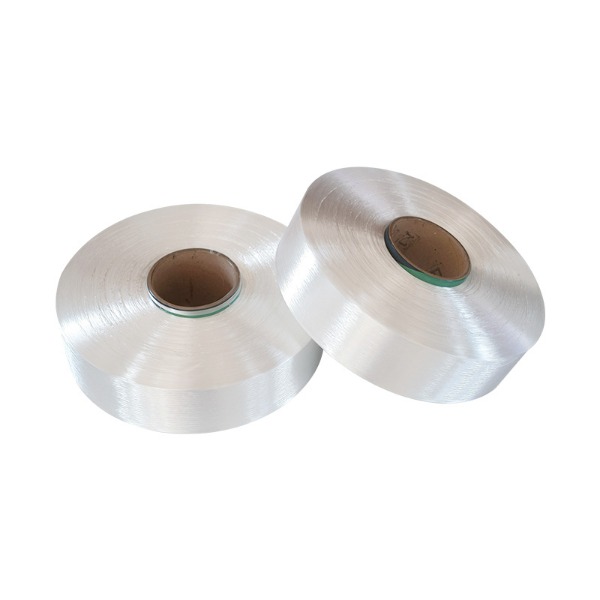
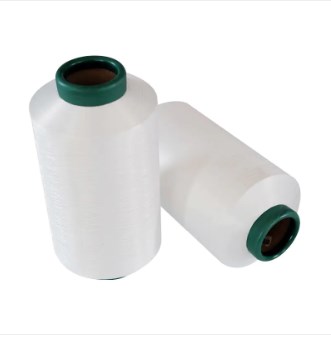
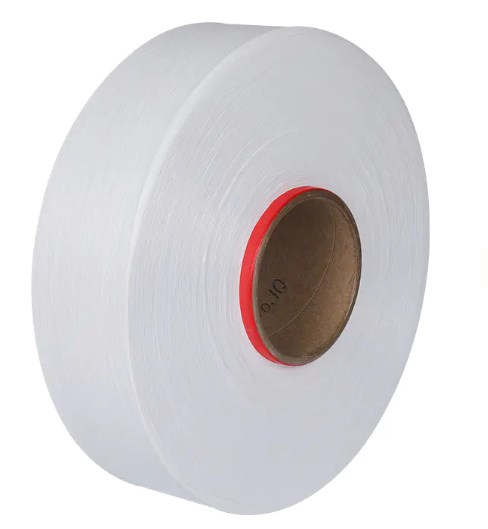
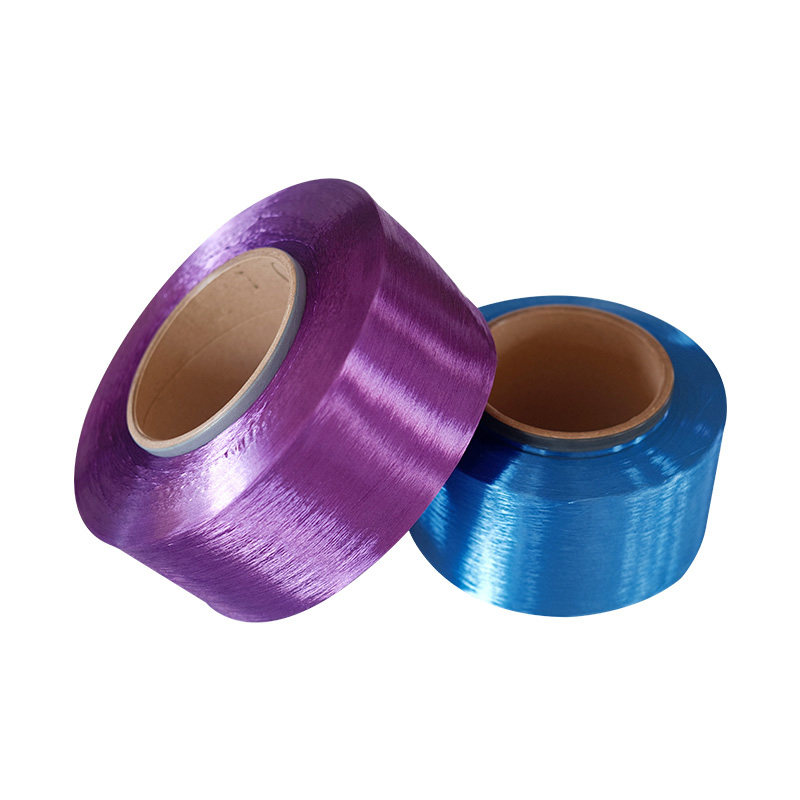
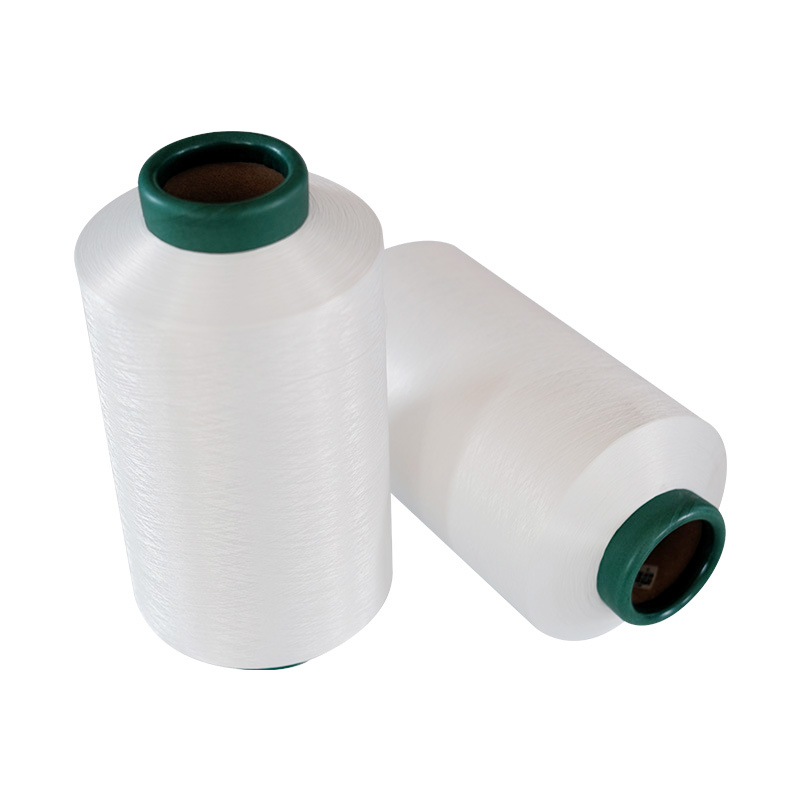
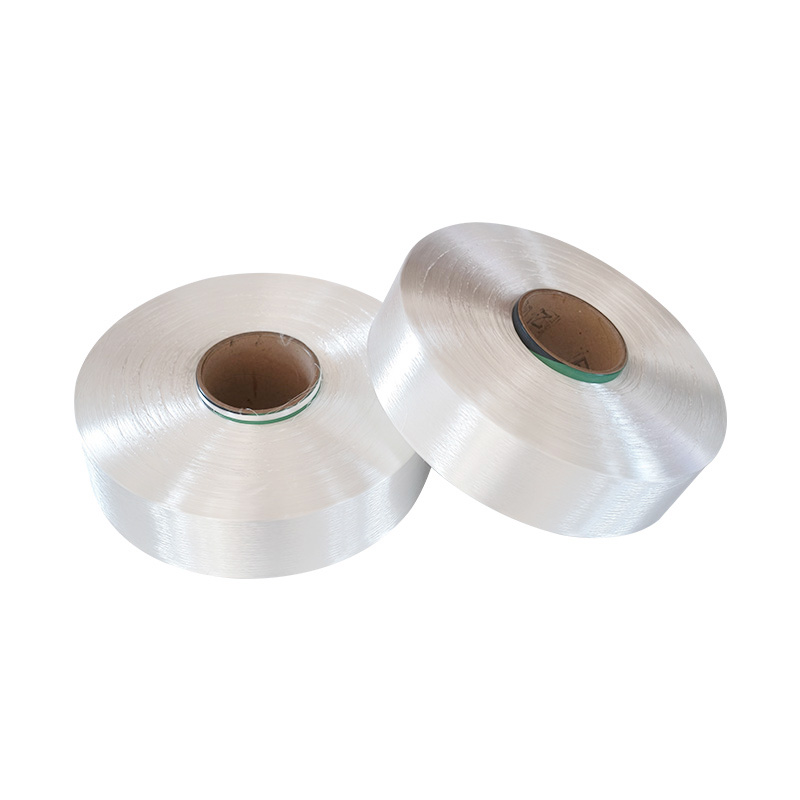
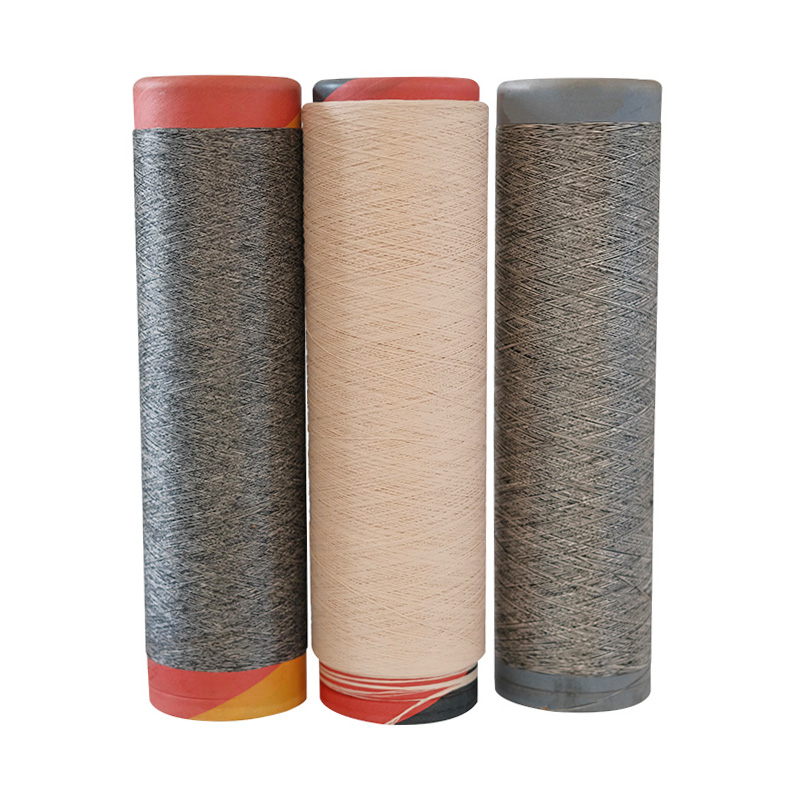
In the ever-evolving textile industry, sustainability has become a significant driving force behind innovation. As consumers and manufacturers alike become more environmentally conscious, the shift toward eco-friendly alternatives has gained substantial momentum. One such solution is the use of recycled yarn in textile manufacturing. Recycled yarn is an environmentally friendly fiber produced from 100% recycled post-consumer PET (Polyethylene Terephthalate), contributing to a more sustainable and circular textile industry.
Understanding Recycled Yarn and Its Production Process
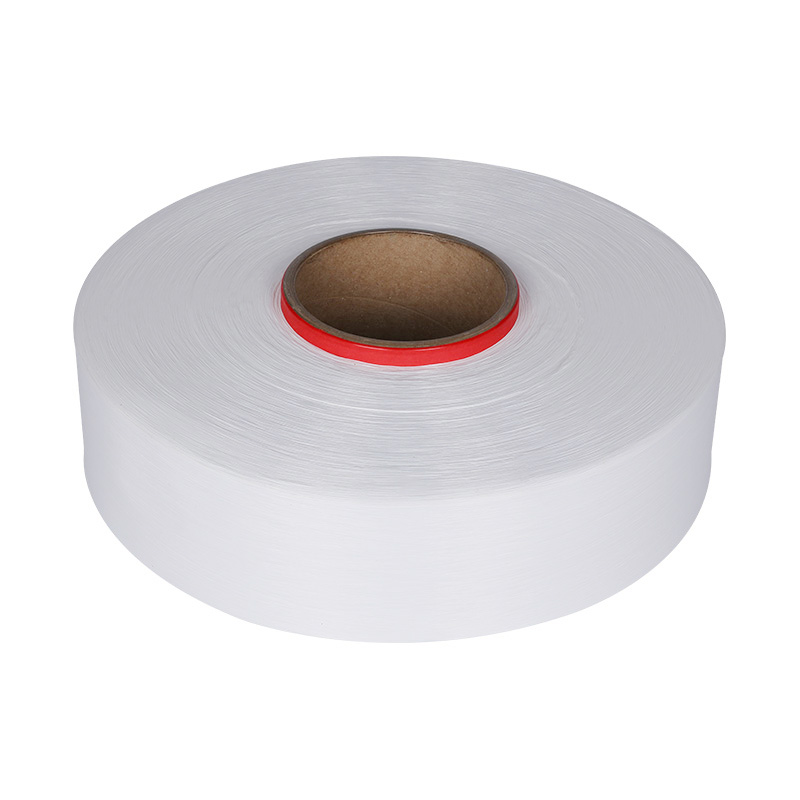
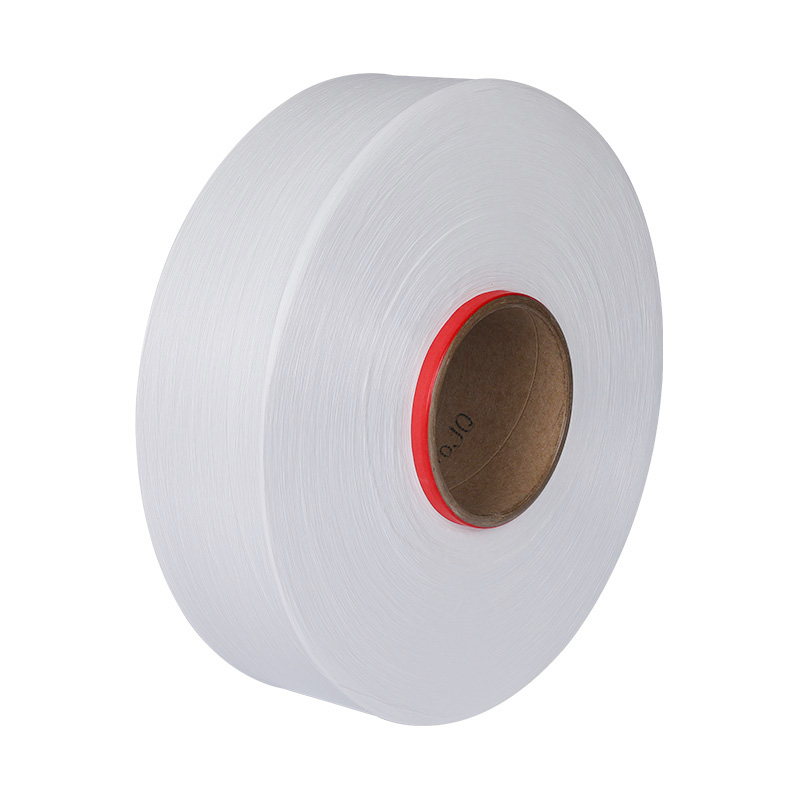
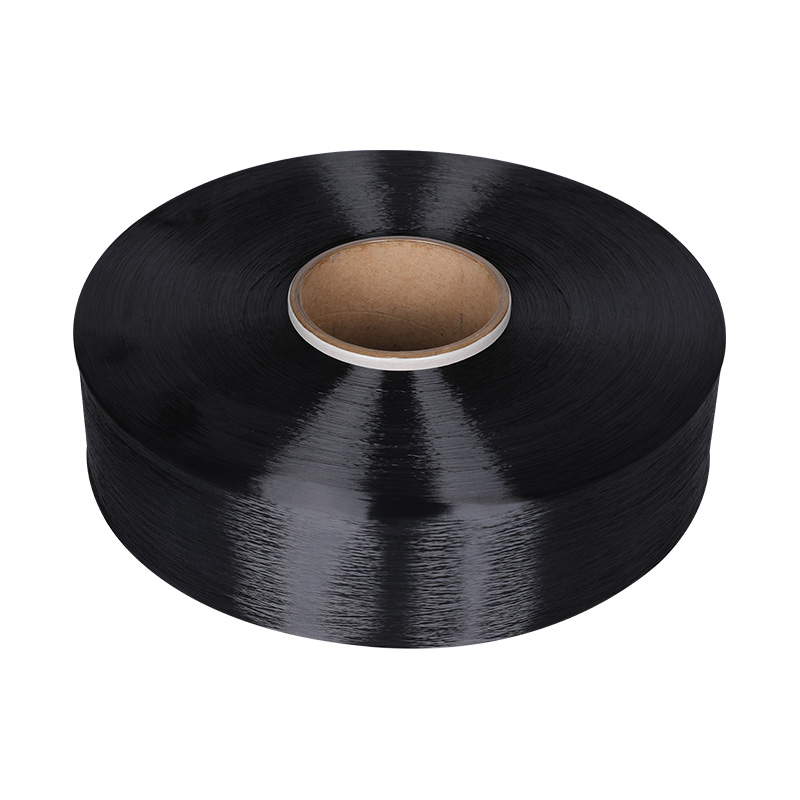
Recycled yarn is a type of yarn created by reprocessing PET plastic waste, such as discarded plastic bottles, into fibers for textile use. The process begins with collecting post-consumer PET plastic, which is then cleaned, sorted, and melted to form new fibers. These fibers are spun into yarns, which can be used in the production of a variety of fabrics for clothing, upholstery, and other textile products. This closed-loop production system is often certified by Global Recycled Standard (GRS), ensuring that the entire process adheres to sustainability guidelines and minimizes environmental impact.
Environmental Benefits of Recycled Yarn
Reduction in Plastic Waste
The production of recycled yarn helps address one of the most pressing environmental issues of today: plastic pollution. By recycling PET bottles and other plastic waste, recycled yarn reduces the amount of plastic that would otherwise end up in landfills or the ocean. This not only helps reduce waste but also prevents the harmful effects of plastic on wildlife and ecosystems.
Lower Carbon Footprint
The carbon footprint associated with producing recycled yarn is significantly lower compared to virgin yarn. Manufacturing recycled yarn uses less energy and water than producing new fibers from raw materials. This makes it an efficient solution for reducing greenhouse gas emissions and conserving natural resources. As the world strives to meet climate goals, adopting recycled yarn becomes a vital step in the right direction for the textile industry.
Conservation of Natural Resources
Traditional yarn production often requires the extraction of virgin materials, such as petroleum-based resources, which can lead to environmental degradation and depletion of non-renewable resources. By using recycled PET in yarn production, manufacturers conserve valuable resources like water and energy, reducing their reliance on virgin materials and supporting the sustainable use of natural resources.
Economic Advantages of Recycled Yarn
Cost-Effective Production
Recycled yarn can often be produced at a lower cost compared to virgin fibers. The cost of raw materials, such as recycled plastic bottles, is significantly cheaper than purchasing new synthetic fibers. As the demand for recycled products grows, the efficiency of recycling technologies continues to improve, leading to further cost reductions in the manufacturing process.
Growing Consumer Demand for Sustainable Products
As awareness about environmental issues increases, consumers are increasingly choosing eco-friendly products. Manufacturers who incorporate recycled yarn into their textile products are tapping into this growing market demand. Not only does this help companies meet sustainability goals, but it also positions them as leaders in the eco-conscious textile industry, which can lead to increased sales and brand loyalty.
Performance and Quality of Recycled Yarn
While the environmental and economic benefits of recycled yarn are clear, some may question whether it compromises the quality and performance of the finished products. However, recycled yarn has proven to meet high-performance standards in various textile applications. When produced using advanced technologies, recycled yarn offers the same durability, strength, and aesthetic appeal as virgin fibers. This makes it suitable for a wide range of uses, from fashion textiles to industrial fabrics.
Key Characteristics of Recycled Yarn:
| Property | Description |
|---|---|
| Strength | Comparable to virgin fibers |
| Durability | Long-lasting and resilient |
| Aesthetic Appeal | Available in a variety of colors and textures |
| Moisture Absorption | Similar to traditional fibers |
The Role of Recycled Yarn in Circular Economy
Recycled yarn plays a crucial role in the circular economy by promoting a system where products are reused, recycled, and regenerated to extend their lifecycle. In this system, textile waste is transformed into valuable raw materials for new products, minimizing waste and reducing the need for new resources. By incorporating recycled yarn into textile manufacturing, brands can contribute to the circular economy and help create a more sustainable and resource-efficient industry.
Key Benefits of Recycled Yarn in Textile Manufacturing
| Benefit | Impact |
|---|---|
| Waste Reduction | Decreases plastic waste in landfills and oceans |
| Energy and Water Conservation | Reduces energy consumption and water use in production |
| Lower Carbon Emissions | Helps reduce greenhouse gas emissions |
| Resource Conservation | Reduces the need for virgin materials and natural resources |
| Cost-Efficiency | Offers a more affordable alternative to virgin fibers |
FAQ
1. What is recycled yarn made from?
Recycled yarn is made from 100% recycled post-consumer PET, such as plastic bottles. The PET is cleaned, melted, and spun into fibers, which are then used to make yarn.
2. Is recycled yarn as durable as virgin yarn?
Yes, recycled yarn is just as durable as virgin yarn. With advanced production techniques, it offers the same strength, durability, and performance as conventional fibers.
3. How does using recycled yarn help the environment?
Using recycled yarn reduces plastic waste, conserves natural resources, and lowers the carbon footprint associated with yarn production. It helps move the industry toward more sustainable practices.
4. Can recycled yarn be used for high-end fashion products?
Yes, recycled yarn can be used for high-end fashion products. It offers the same quality and versatility as traditional fibers, making it suitable for various textile applications, including fashion garments.
5. What are the cost benefits of using recycled yarn?
Recycled yarn is often more affordable than virgin fibers due to lower raw material costs. It also supports cost-efficient production, which can result in competitive pricing for manufacturers.
Conclusion
Recycled yarn is a key component of the sustainable textile manufacturing movement. By reducing plastic waste, conserving resources, and minimizing environmental impact, recycled yarn is paving the way for a greener, more circular textile industry.