+86-0571-82795522

 LANGUAGE
  English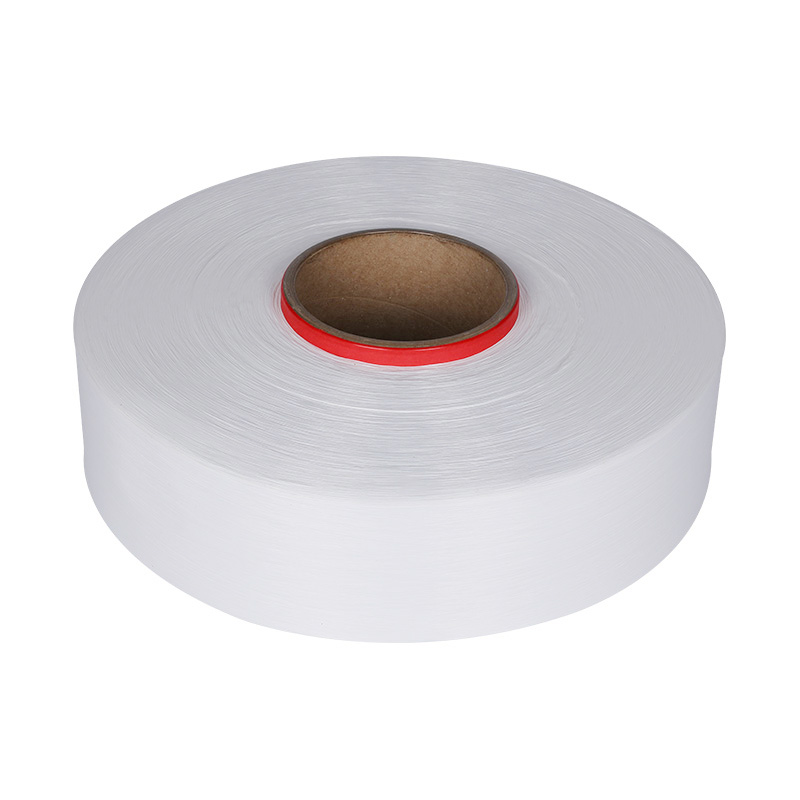
Introduction
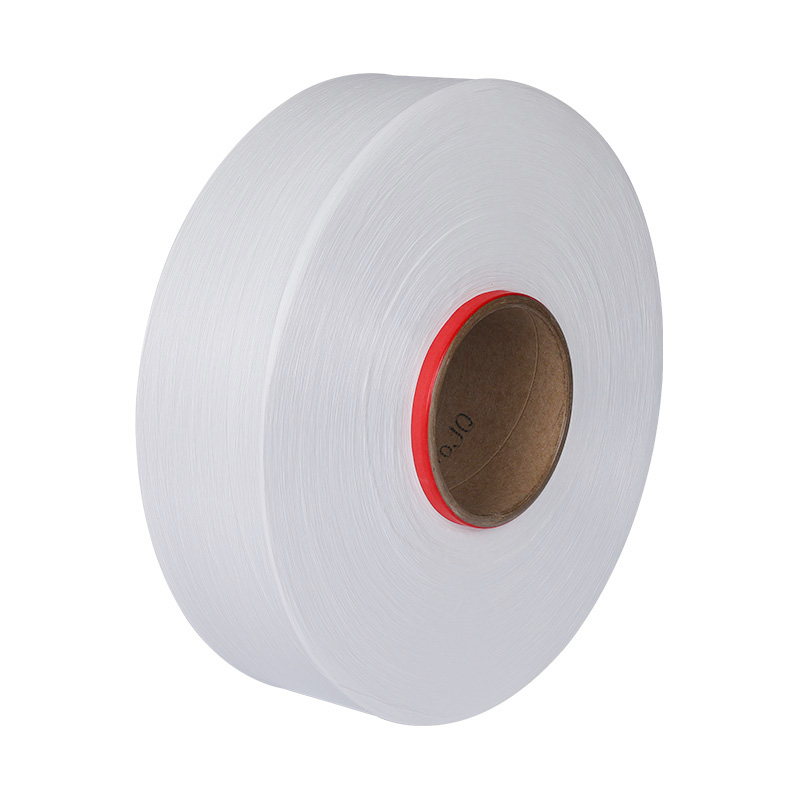
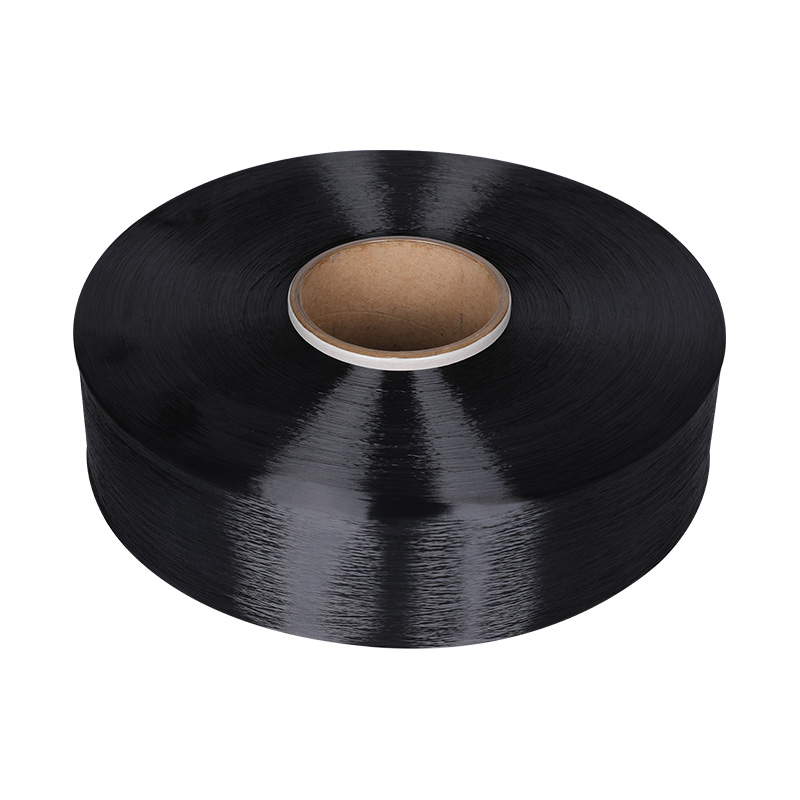
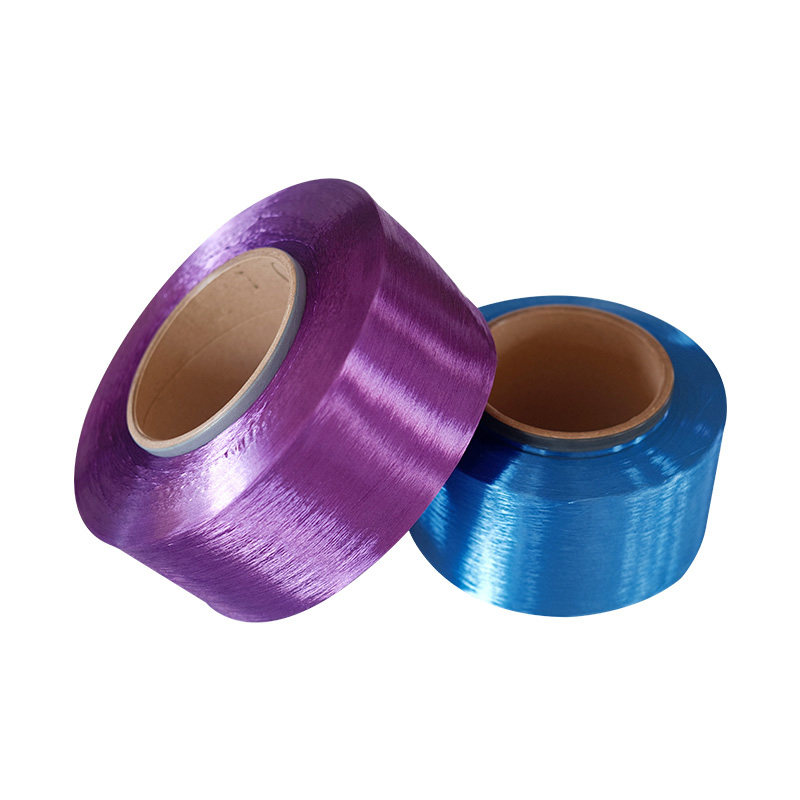
In the rapidly evolving textile and materials industry, performance, consistency, and efficiency are no longer optional—they are essential. Among the many yarn technologies available today, FDY flat yarn series has emerged as a reliable and versatile solution for a wide range of industrial and commercial applications. Known for its structural stability, smooth surface, and adaptability, this type of yarn is increasingly favored in sectors that demand both functional performance and processing efficiency.
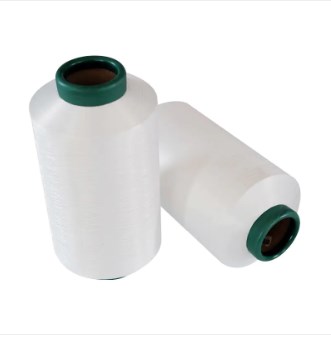
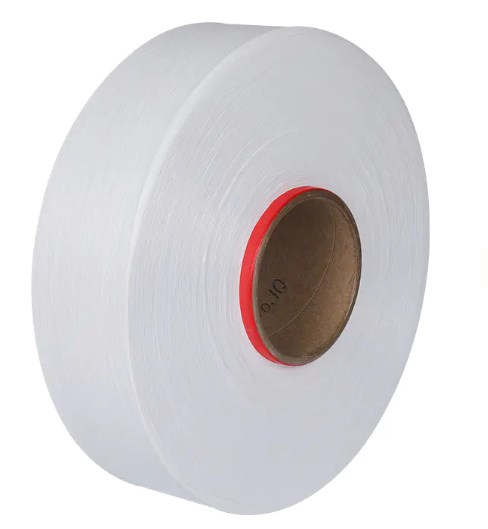
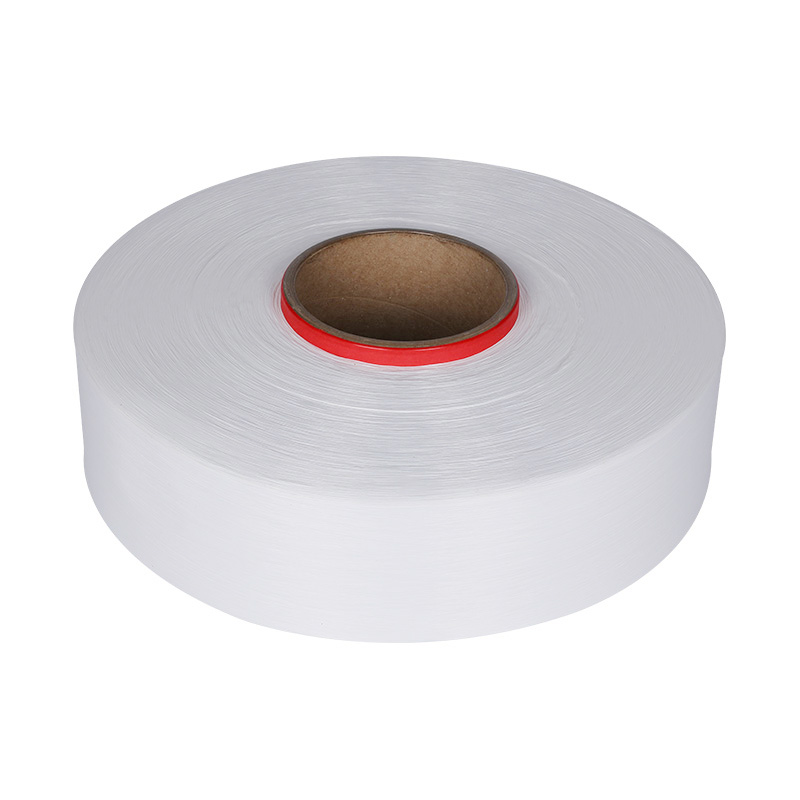
FDY flat yarn, or Fully Drawn Yarn in flat form, is produced through a controlled drawing process that aligns polymer molecules to achieve high strength and uniformity. Unlike traditional round yarns, flat yarn offers a unique geometry that enhances coverage, reduces gaps, and improves end-product performance in applications such as weaving, knitting, and technical textiles.
What Is FDY Flat Yarn?
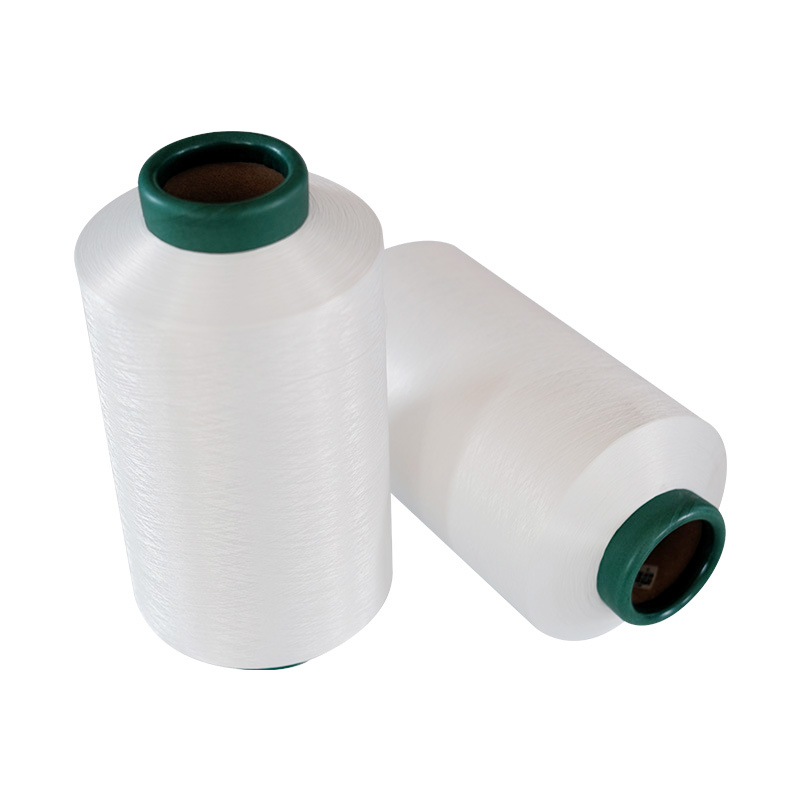
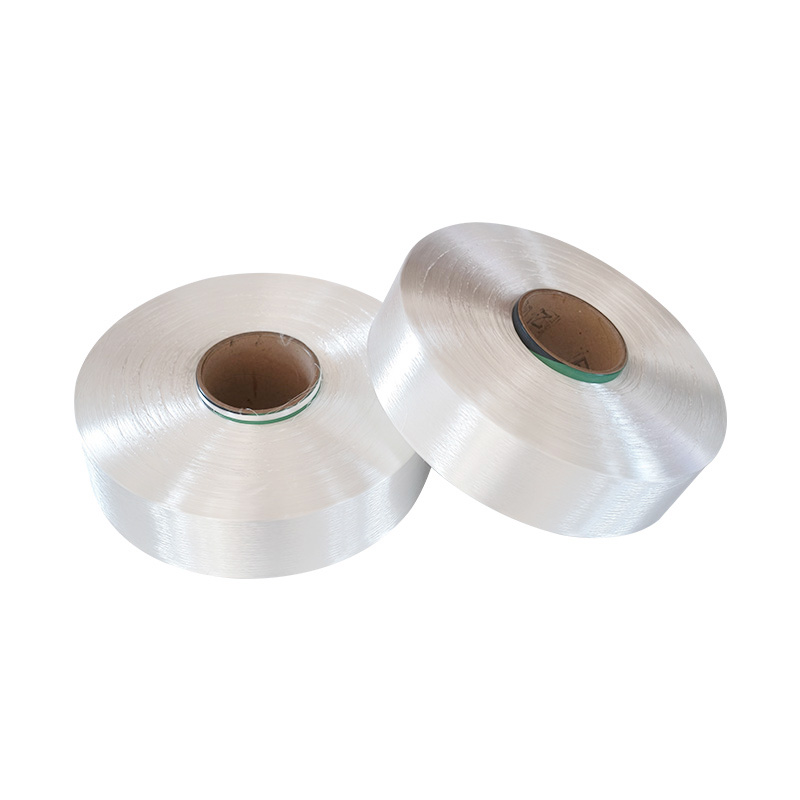
FDY flat yarn is a type of polyester filament yarn that undergoes full drawing during the spinning process. This results in a yarn that is ready for direct use without additional drawing or processing. The “flat” characteristic refers to its cross-sectional shape, which differs from conventional circular filaments.
Key Characteristics
| Property | Description |
|---|---|
| Molecular orientation | Fully aligned for strength and stability |
| Surface structure | Smooth and flat, enhancing coverage |
| Processing readiness | No additional drawing required |
| Dimensional stability | High resistance to deformation |
| Application flexibility | Suitable for weaving, knitting, and industrial uses |
This combination of features makes FDY flat yarn particularly suitable for applications where consistency and efficiency are critical.
Reason 1: Superior Strength and Durability
One of the primary advantages of FDY flat yarn lies in its mechanical strength. The full drawing process aligns polymer chains, resulting in a yarn that exhibits excellent tensile properties and resistance to wear.
Why Strength Matters
In many applications—such as industrial fabrics, packaging materials, and reinforcement textiles—yarn strength directly impacts product lifespan. Weak or inconsistent yarns can lead to premature failure, increased maintenance, and higher replacement costs.
Performance Benefits
- High tensile strength ensures resistance to stretching and breaking
- Enhanced abrasion resistance improves longevity in demanding environments
- Stable structure reduces the risk of deformation under load
Comparative Overview
| Yarn Type | Strength Level | Abrasion Resistance | Longevity |
|---|---|---|---|
| FDY flat yarn | High | High | Long |
| POY yarn | Medium | Medium | Moderate |
| Staple fiber | Low | Low | Short |
The durability of FDY flat yarn makes it particularly valuable in applications where reliability is essential over extended periods.
Reason 2: Excellent Uniformity and Consistency
Consistency is a critical factor in modern textile production. Variations in yarn thickness, tension, or structure can lead to defects in the final product, affecting both appearance and performance.
FDY flat yarn offers a high degree of uniformity due to its controlled manufacturing process.
Key Advantages
- Even filament distribution ensures smooth fabric surfaces
- Reduced variability minimizes defects during weaving or knitting
- Consistent dye uptake improves color uniformity
Impact on Production
Uniform yarn reduces machine downtime and improves production efficiency. It also enhances the predictability of the final product, which is especially important in large-scale manufacturing.
Uniformity Comparison
| Feature | FDY Flat Yarn | Conventional Yarn |
|---|---|---|
| Thickness variation | Minimal | Medium |
| Surface smoothness | High | Variable |
| Process stability | Excellent | Medium |
This level of consistency supports high-quality output across various applications.
Reason 3: Enhanced Surface Coverage and Aesthetics
The flat geometry of FDY flat yarn provides a distinct advantage in terms of surface coverage. Unlike round yarns, flat yarns spread more evenly across a surface, reducing gaps and improving visual appeal.
Benefits in Fabric Formation
- Better coverage leads to denser and more uniform fabrics
- Reduced need for additional layers or coatings
- Improved visual texture and finish
Applications Benefiting from Surface Coverage
- Decorative textiles
- Upholstery fabrics
- Technical coatings and laminates
Coverage Efficiency Table
| Yarn Shape | Coverage Efficiency | Fabric Density | Visual Uniformity |
|---|---|---|---|
| Flat yarn | High | High | Excellent |
| Round yarn | Medium | Medium | Good |
This property makes FDY flat yarn particularly suitable for applications where both function and appearance are important.
Reason 4: Improved Processing Efficiency
Efficiency in processing is a major concern for manufacturers aiming to reduce costs and increase output. FDY flat yarn contributes to this goal by offering excellent compatibility with various textile processes.
Processing Advantages
- Direct usability eliminates the need for additional drawing
- Smooth surface reduces friction during machine operations
- Stable tension improves machine performance and reduces breakage
Compatibility with Equipment
FDY flat yarn performs well in:
- High-speed weaving machines
- Circular and flat knitting machines
- Coating and lamination processes
Efficiency Comparison
| Parameter | FDY Flat Yarn | Traditional Yarn |
|---|---|---|
| Machine speed | High | Moderate |
| Breakage rate | Low | Higher |
| Maintenance needs | Reduced | Increased |
By improving operational efficiency, FDY flat yarn helps manufacturers achieve better productivity with fewer interruptions.
Reason 5: Versatility Across Applications
Another key reason to choose FDY flat yarn is its versatility. Its balanced combination of strength, uniformity, and surface properties allows it to be used in a wide range of applications.
Common Application Areas
- Industrial textiles
- Packaging materials
- Geotextiles
- Home furnishings
- Automotive interiors
Functional Adaptability
FDY flat yarn can be engineered to meet specific requirements by adjusting parameters such as:
- Denier
- Filament count
- Cross-sectional profile
- Surface finish
Application Suitability Table
| Application Type | Required Property | FDY Flat Yarn Suitability |
|---|---|---|
| Packaging | Strength & flexibility | High |
| Geotextiles | Durability & stability | High |
| Home textiles | Appearance & softness | Medium to High |
| Industrial fabrics | Performance & reliability | High |
This adaptability makes FDY flat yarn a practical choice for manufacturers looking to streamline material selection across multiple product lines.
Conclusion
FDY flat yarn represents a significant advancement in yarn technology, offering a combination of strength, consistency, surface efficiency, and processing advantages. Its flat geometry provides enhanced coverage and improved aesthetics, while its fully drawn structure ensures durability and reliability.
The five reasons discussed—superior strength, excellent uniformity, enhanced coverage, improved processing efficiency, and broad versatility—demonstrate why FDY flat yarn is increasingly preferred in modern textile and industrial applications.
FAQ
1. What makes FDY flat yarn different from regular FDY yarn?
FDY flat yarn differs primarily in its cross-sectional shape. While regular FDY yarn is typically round, flat yarn provides better surface coverage and improved fabric density.
2. Is FDY flat yarn suitable for high-speed production?
Yes, its smooth surface and stable structure make it highly compatible with high-speed weaving and knitting machines, reducing breakage and improving efficiency.
3. Can FDY flat yarn be used in industrial applications?
It is widely used in industrial textiles due to its strength, durability, and resistance to wear, making it suitable for demanding environments.
4. Does FDY flat yarn support consistent dyeing?
Yes, its uniform structure allows for even dye absorption, resulting in consistent color and improved visual quality.
5. What factors should be considered when selecting FDY flat yarn?
Key factors include denier, filament count, required strength, and intended application to ensure optimal performance.