+86-0571-82795522

 LANGUAGE
  English
Introduction
In recent years, the global textile industry has increasingly shifted towards sustainable practices, with one of the most promising developments being the use of recycled yarn. Recycled yarn, often made from 100% recycled post-consumer PET (polyethylene terephthalate), represents a revolutionary step in the textile and fashion industries towards reducing waste, conserving resources, and lowering environmental impact.
Understanding Recycled Yarn
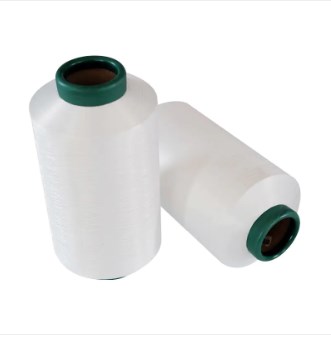
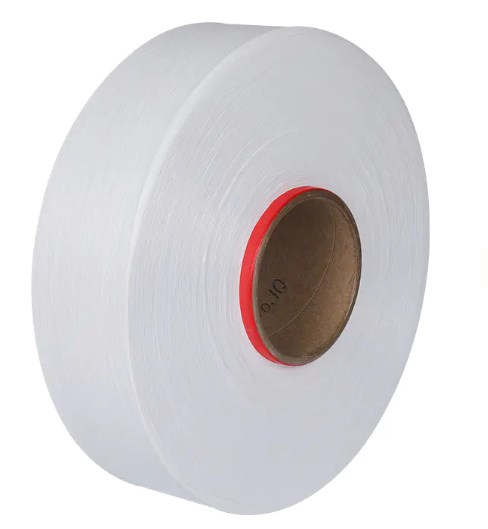
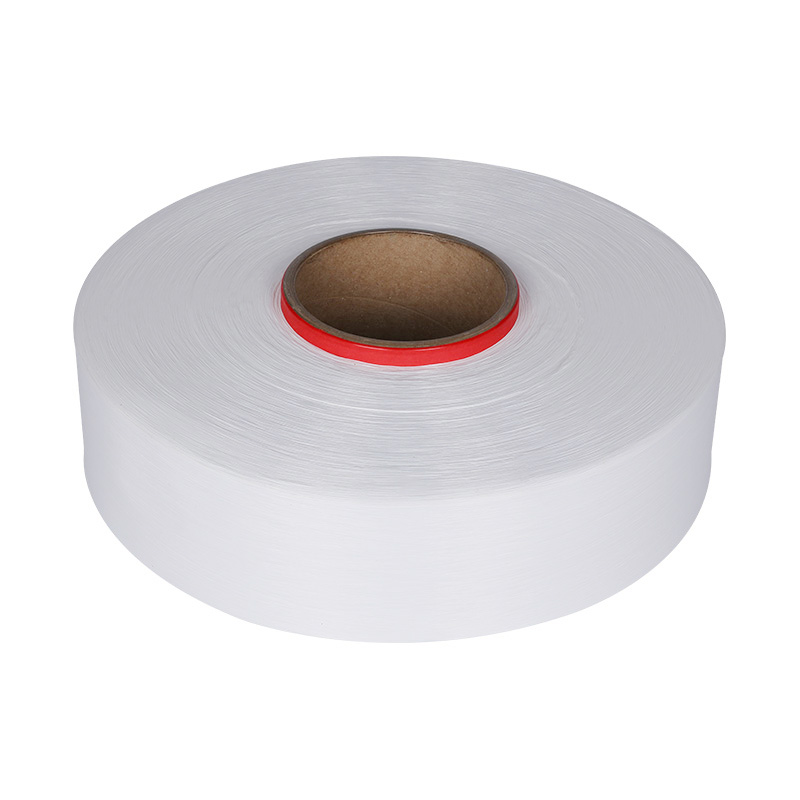
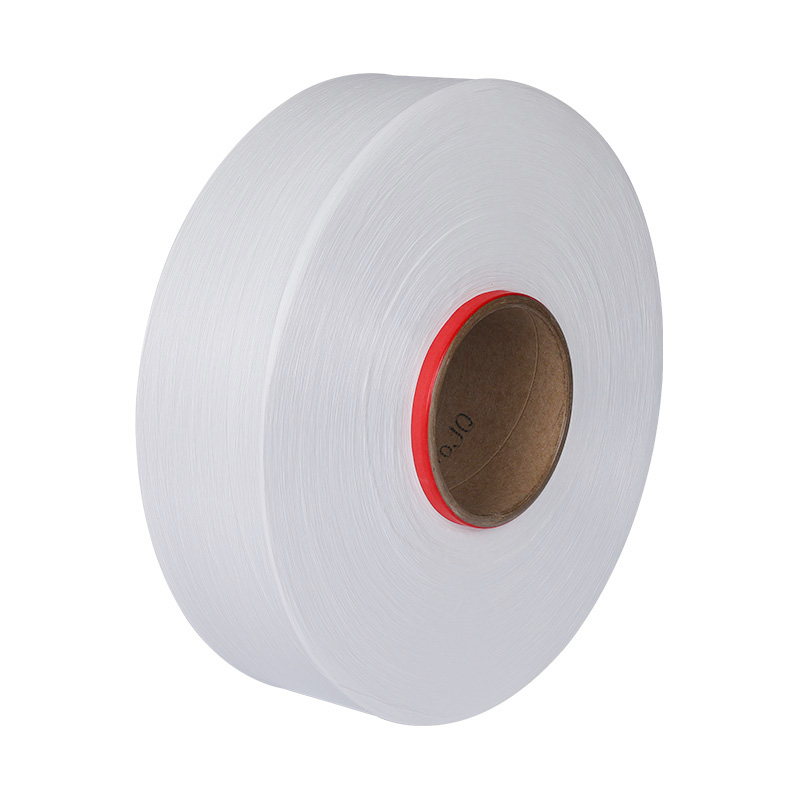
Recycled yarn series are produced by reprocessing post-consumer PET plastic bottles or other plastic waste, which is then turned into fibers that can be used to weave fabrics. This process not only helps in reducing plastic waste but also significantly lowers the carbon footprint compared to producing virgin fibers.
A key feature of recycled yarn is its use in a closed-loop production system, where the fibers are processed, recycled, and reused, minimizing the overall environmental impact. The yarn produced in such systems is certified by the GRS, which ensures that the recycling process meets stringent sustainability and traceability standards.
Types of Fabrics Made from Recycled Yarn
Recycled yarn can be used to create a wide variety of fabrics suitable for different applications, from clothing to upholstery. Here are some of the most common types of fabrics made from recycled yarn:
Recycled Polyester Fabric
Recycled polyester is one of the most widely produced fabrics using recycled yarn. The fiber is soft, durable, and versatile, making it ideal for clothing items such as t-shirts, jackets, and activewear. In addition to being lightweight and breathable, recycled polyester fabric retains the strength and quality of virgin polyester, while offering the environmental benefit of using recycled materials.
- Applications: Apparel, home textiles, industrial textiles.
- Benefits: High durability, moisture-wicking properties, and ease of care.
Recycled Cotton Fabric
Recycled cotton yarn is produced by reusing cotton waste from pre-consumer and post-consumer sources. This type of fabric is popular due to its softness, breathability, and natural appeal. Recycled cotton can be blended with other fibers, including recycled polyester, to create a more sustainable fabric that offers the best of both worlds.
- Applications: Casual clothing, home textiles (bed linens, towels), eco-friendly accessories.
- Benefits: Softness, comfort, and reduced water consumption compared to growing new cotton.
Recycled Nylon Fabric
Recycled nylon is another fabric that benefits from the use of recycled yarn. Nylon waste, such as discarded fishing nets or fabric scraps, is processed into high-quality nylon fibers. Recycled nylon fabric is known for its strength, flexibility, and durability, making it ideal for outdoor and performance wear.
- Applications: Sportswear, activewear, outdoor gear, upholstery.
- Benefits: Strength, flexibility, and long-lasting performance.
Recycled Wool Fabric
Wool fabric made from recycled yarn offers a sustainable alternative to traditional wool. Recycled wool is sourced from post-consumer wool garments that are shredded and processed into new fibers. This fabric retains the warmth and insulating properties of virgin wool but with a much smaller environmental footprint.
- Applications: Outerwear, suits, scarves, and blankets.
- Benefits: Warmth, comfort, and natural insulating properties.
Recycled Acrylic Fabric
Acrylic fibers made from recycled yarn offer a lightweight and warm fabric option that is commonly used in knitwear, sweaters, and blankets. Recycled acrylic is an excellent choice for creating soft, durable, and versatile garments that are both comfortable and eco-friendly.
- Applications: Sweaters, blankets, knitwear, fashion accessories.
- Benefits: Softness, lightweight, and good thermal insulation.
Recycled Blended Fabrics
Many manufacturers blend recycled yarn with virgin fibers or other recycled fibers to create innovative and sustainable fabric blends. These blends can include combinations like recycled polyester with recycled cotton or recycled nylon with wool, offering the advantages of multiple materials while reducing environmental impact.
- Applications: Fashion apparel, upholstery, home textiles.
- Benefits: Flexibility, cost-effectiveness, and a balanced combination of properties.
The Closed-Loop Production System: A Key to Sustainability
One of the defining aspects of the production of fabrics using recycled yarn is the closed-loop system. This system ensures that materials are continually reused and recycled, significantly reducing waste and conserving natural resources. In a closed-loop production system, the yarn produced from recycled materials can be spun into fibers, woven into fabric, and once it reaches the end of its life cycle, it can be recycled again to create new yarn. This system is further certified by the Global Recycled Standard (GRS), which ensures that the yarn is sourced responsibly and that the entire process aligns with stringent environmental standards.
Advantages of Using Recycled Yarn in Fabric Production
- Environmental Impact Reduction: The use of recycled yarn reduces reliance on virgin materials and helps lower the environmental impact associated with traditional textile production.
- Waste Reduction: By using waste materials like PET bottles and fabric scraps, the textile industry can divert tons of waste from landfills.
- Energy Savings: The energy required to process recycled yarn is typically lower than that of producing virgin fibers, contributing to a reduction in overall carbon emissions.
- Durability and Quality: Fabrics made from recycled yarn can be just as durable and high-quality as those made from virgin fibers, providing consumers with sustainable yet functional products.
FAQ
1. What is recycled yarn?
Recycled yarn is made from post-consumer PET plastic bottles or other textile waste, which are processed into fibers for fabric production. It offers a sustainable alternative to virgin yarn and reduces the environmental impact of textile production.
2. What types of fabrics can be made from recycled yarn?
Fabrics made from recycled yarn include recycled polyester, cotton, nylon, wool, and acrylic, as well as blended fabrics. These materials are used in various applications, from fashion apparel to home textiles.
3. Is fabric made from recycled yarn as durable as virgin fabric?
Yes, fabrics made from recycled yarn can be just as durable as those made from virgin fibers. Recycled fibers retain the strength and quality of the original materials, ensuring long-lasting performance.
4. What is the closed-loop production system in textile manufacturing?
A closed-loop production system in textile manufacturing involves recycling fibers continuously to reduce waste and conserve resources. The system allows materials to be reused and repurposed, promoting sustainability.
5. How does using recycled yarn benefit the environment?
Using recycled yarn reduces waste, conserves natural resources, and lowers carbon emissions. It also reduces the need for virgin materials, leading to less environmental impact in textile production.