+86-0571-82795522

 LANGUAGE
  English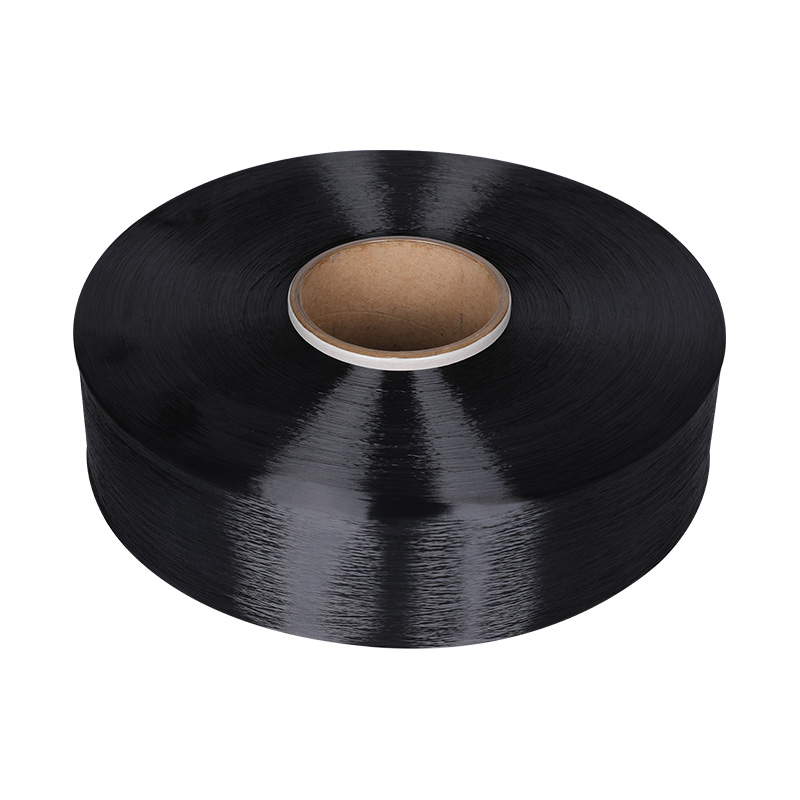
The appeal of FDY Colored Full Dull Yarn comes down to one trade-off every textile buyer eventually faces: standard bright polyester filament looks synthetic under light, while full dull yarn mutes that shine into something closer to natural fiber. Choosing between the two shapes how a finished fabric photographs, drapes, and reads to a customer's hand.
What Is FDY Colored Full Dull Yarn
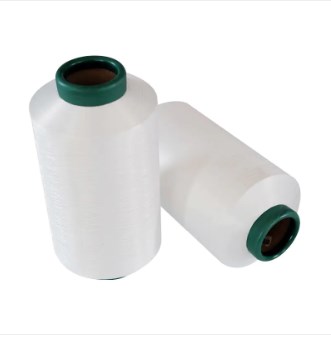
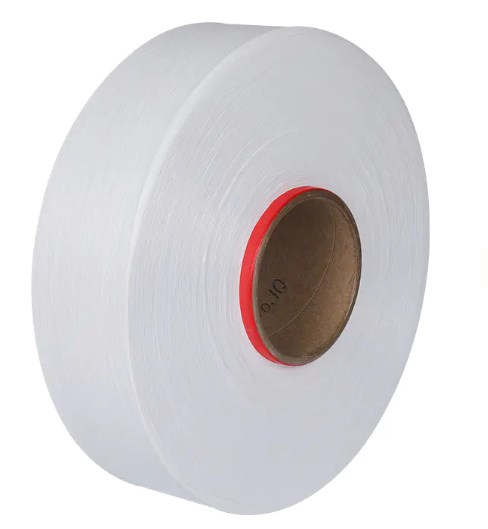
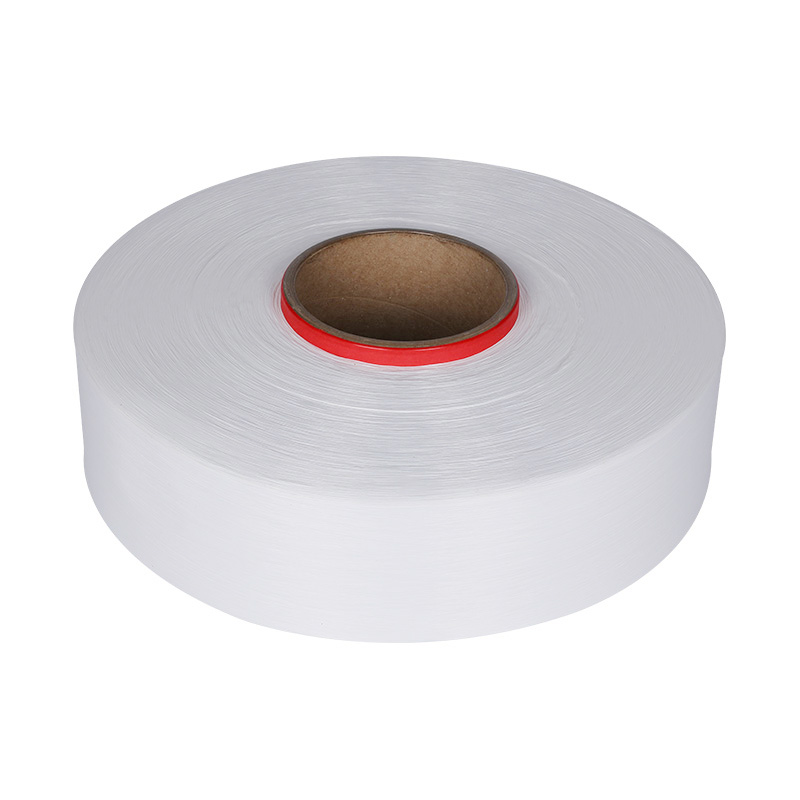
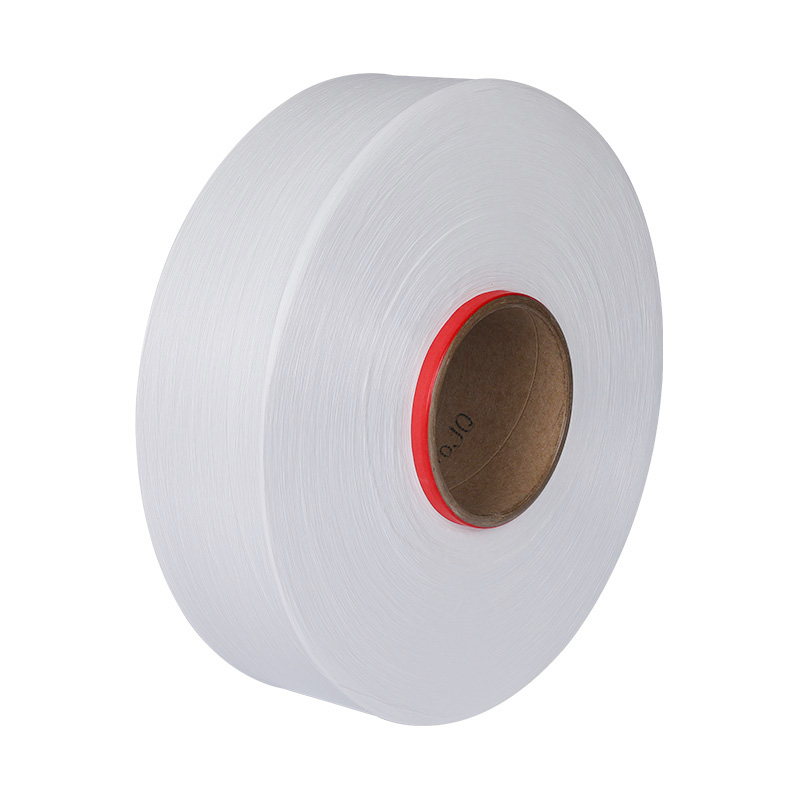
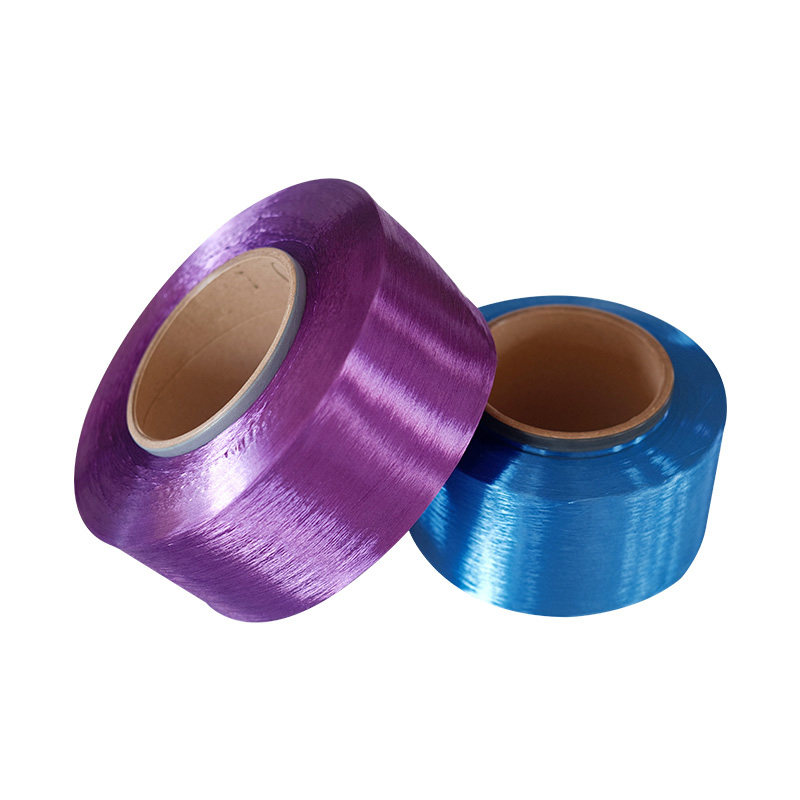
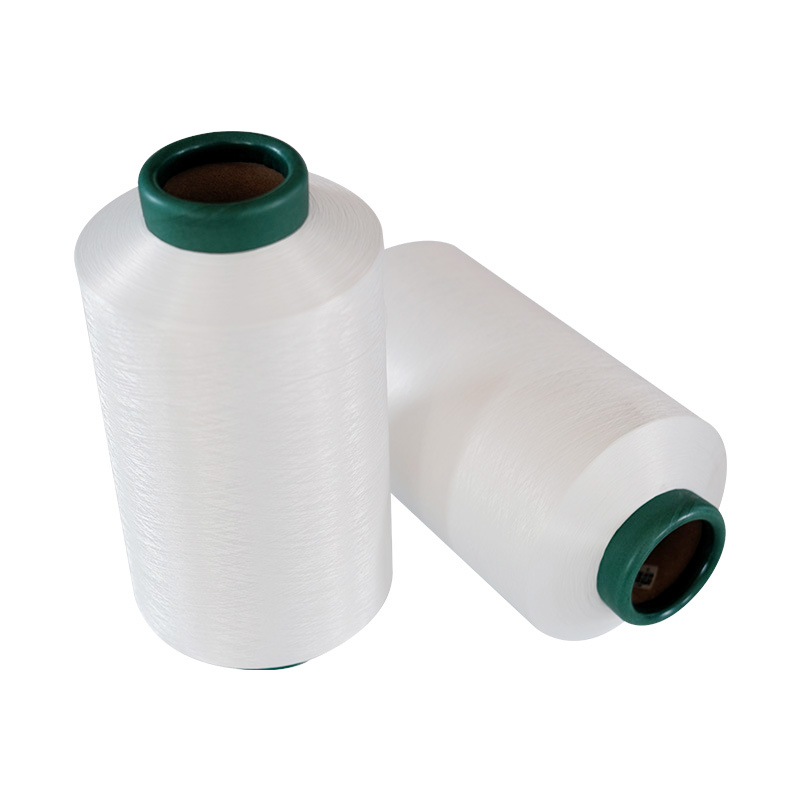
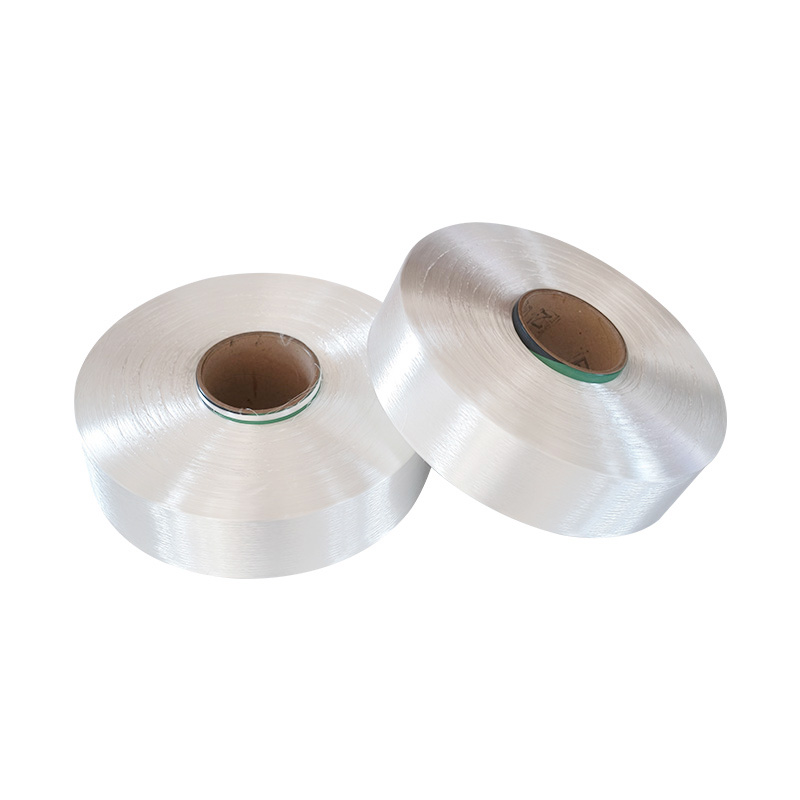
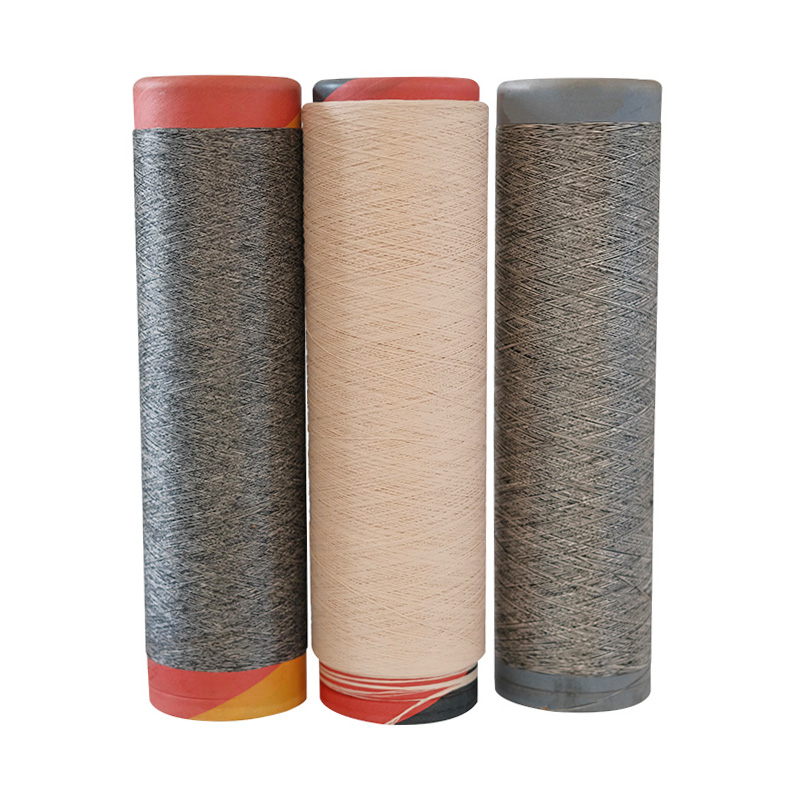
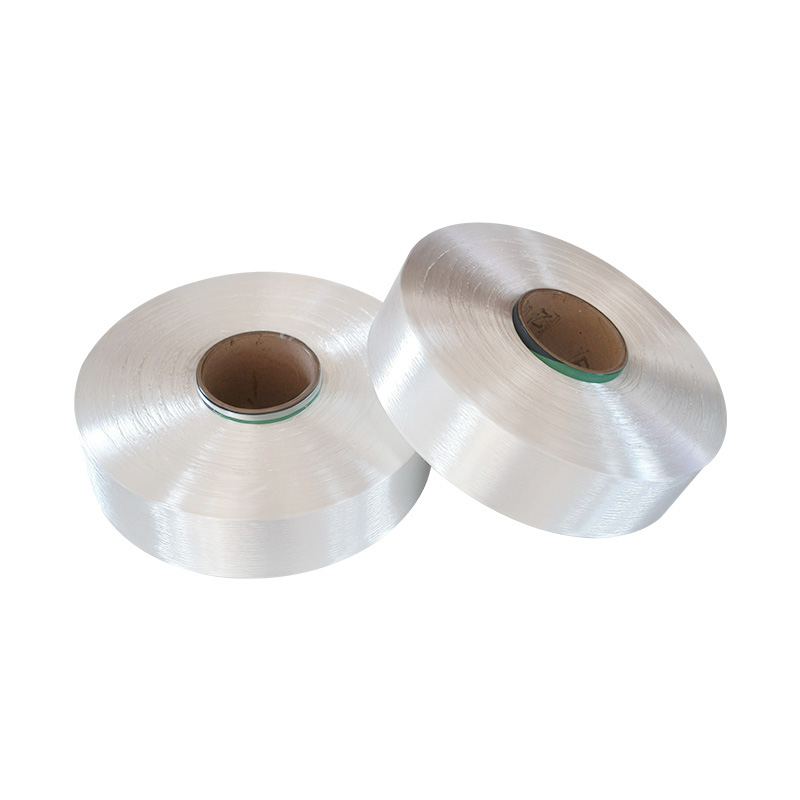
FDY Colored Full Dull Yarn is a polyester filament produced through the Fully Drawn Yarn process, where molten polymer is spun, stretched, and heat-set into a stable filament in one continuous line. Dulling agents such as titanium dioxide are added during production to scatter light reflection across the fiber surface, while color pigments are integrated in the same process to produce a matte, evenly colored yarn ready for weaving or knitting.
What Full Dull Actually Changes
Bright polyester reflects light in sharp, concentrated points, giving fabric a synthetic sheen. Full dull treatment breaks up that reflection across the fiber surface, producing a softer, lower-luster appearance that reads closer to cotton or wool under normal lighting.
How the Yarn Is Made
Production runs through six connected stages, from raw polyester chips to a finished, colored, low-luster filament wound for shipment.
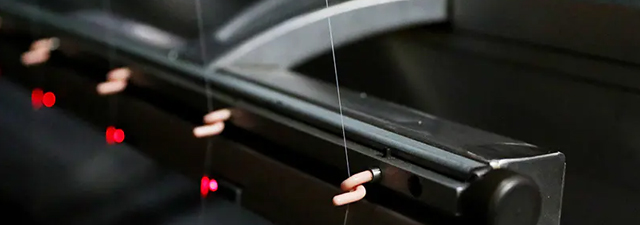
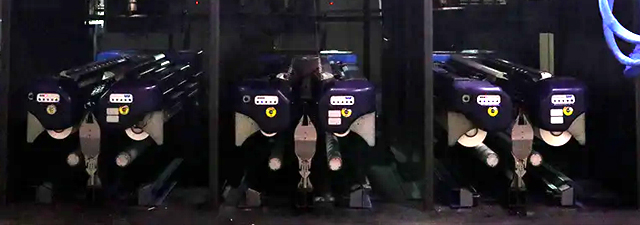
Polyester chips are melted under controlled temperature, then extruded through spinnerets into continuous filaments. The drawing stage stretches those filaments to build tensile strength and molecular orientation, after which dulling agents are introduced to reduce surface gloss. Color pigments are integrated in the same production line before the finished yarn is wound into industrial packages ready for weaving or knitting.
A softer, lower-luster surface is not a cosmetic side effect. It is the direct result of controlling how light scatters across the fiber during production.
FDY Full Dull Yarn vs Bright Polyester Yarn
| Surface appearance | Soft, matte, low-luster finish | High shine, reflective surface |
| Best fabric use | Apparel, home textiles, sportswear | Linings, technical fabrics |
| Color depth | Richer, more natural-looking color | Colors can appear more artificial |
| Processing behavior | Comparable weaving and knitting speed | Standard processing performance |
Where This Yarn Is Used
Full dull FDY yarn appears wherever a fabric needs to look and feel closer to natural fiber while keeping polyester's strength and cost advantages.
- Apparel and fashion garment fabrics
- Sportswear and performance activewear
- Curtains, bedding, and decorative home textiles
- Technical and protective industrial fabrics
- Weaving and knitting mill raw material supply
How to Choose the Right Yarn Specification
Start with the finished fabric's intended hand feel and appearance, then work backward into yarn count, filament number, and full dull ratio. Confirm color fastness testing results against your washing and light exposure requirements, and request shrinkage data if the fabric will go through heat-set finishing, since dimensional stability varies with drawing tension during production.
Frequently Asked Questions
What makes full dull yarn different from semi-dull polyester?
Full dull yarn uses a higher concentration of dulling agent, producing a more pronounced matte finish than semi-dull yarn, which retains a moderate amount of surface sheen.
Is FDY Colored Full Dull Yarn pre-colored or dyed after weaving?
The color is integrated during the spinning and coloring stage of production, meaning the fiber itself carries the color before it ever reaches a loom or knitting machine.
Does full dull treatment affect yarn strength?
The dulling agent affects surface light reflection, not the fully drawn molecular structure that gives the yarn its tensile strength, so strength performance remains largely unaffected.
Which fabrics benefit most from a matte polyester yarn?
Apparel and home textiles that aim for a natural, fiber-like appearance benefit most, since the reduced shine helps the fabric read as higher quality under normal lighting.