+86-0571-82795522

 LANGUAGE
  English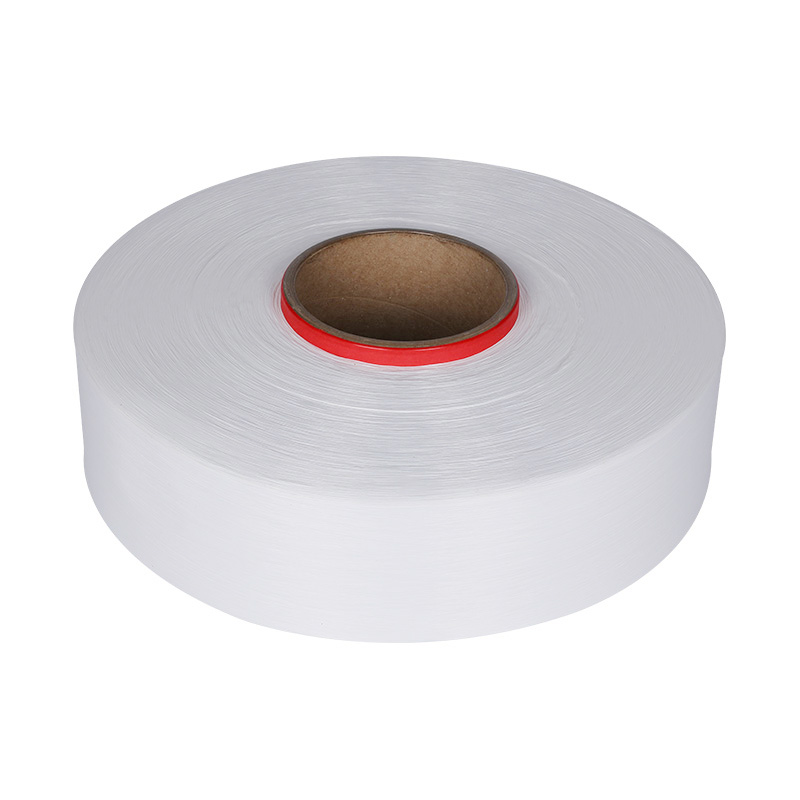
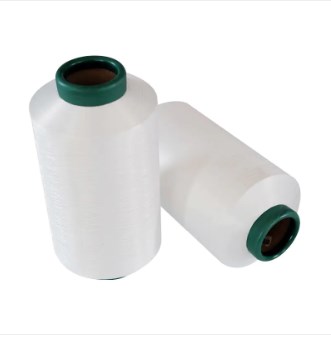
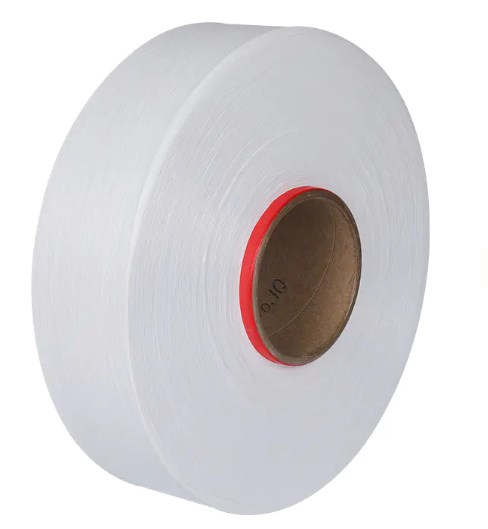
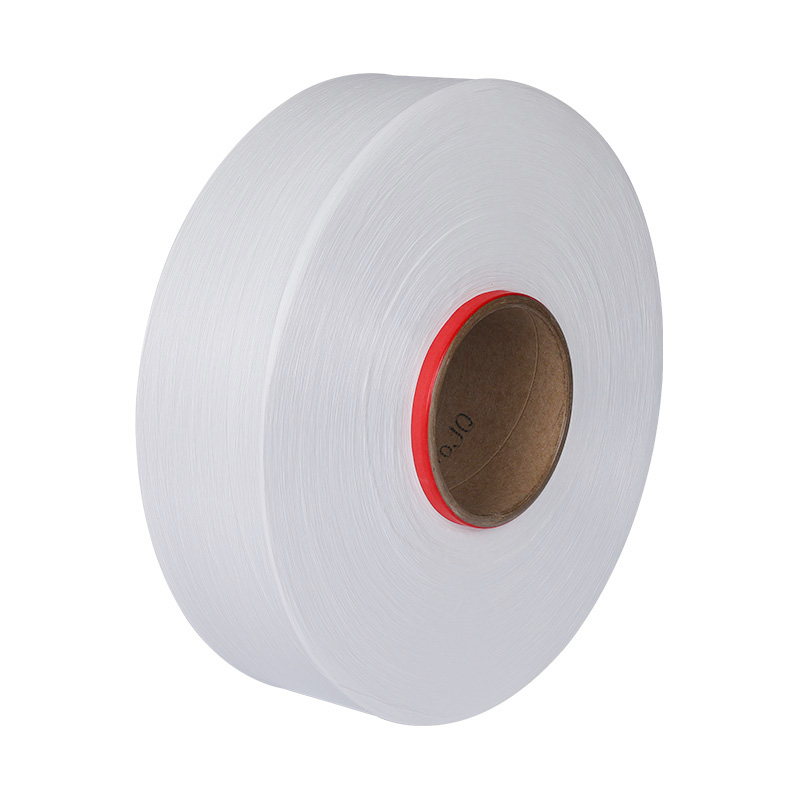
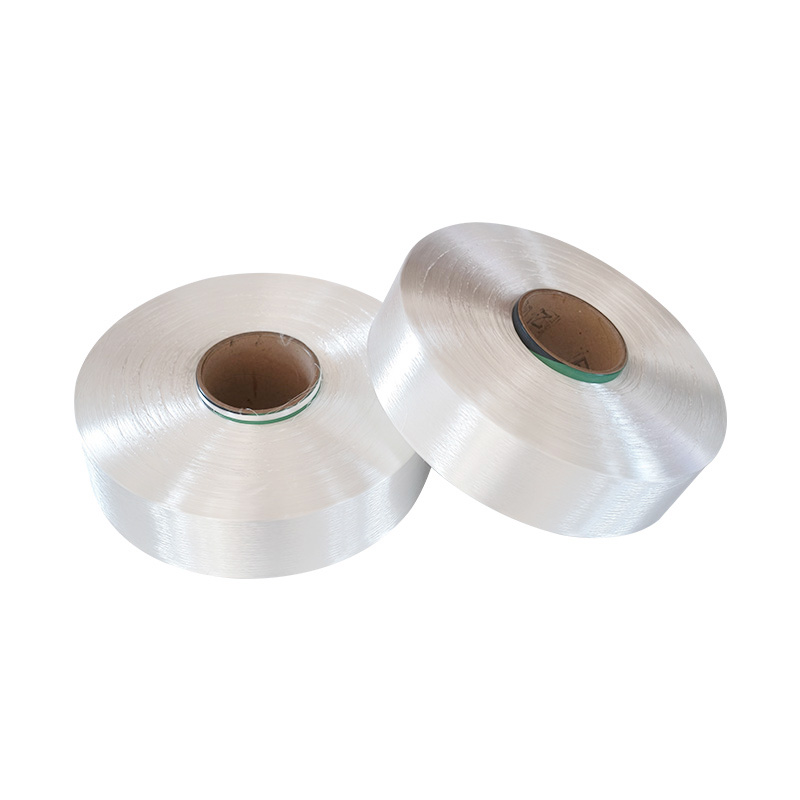
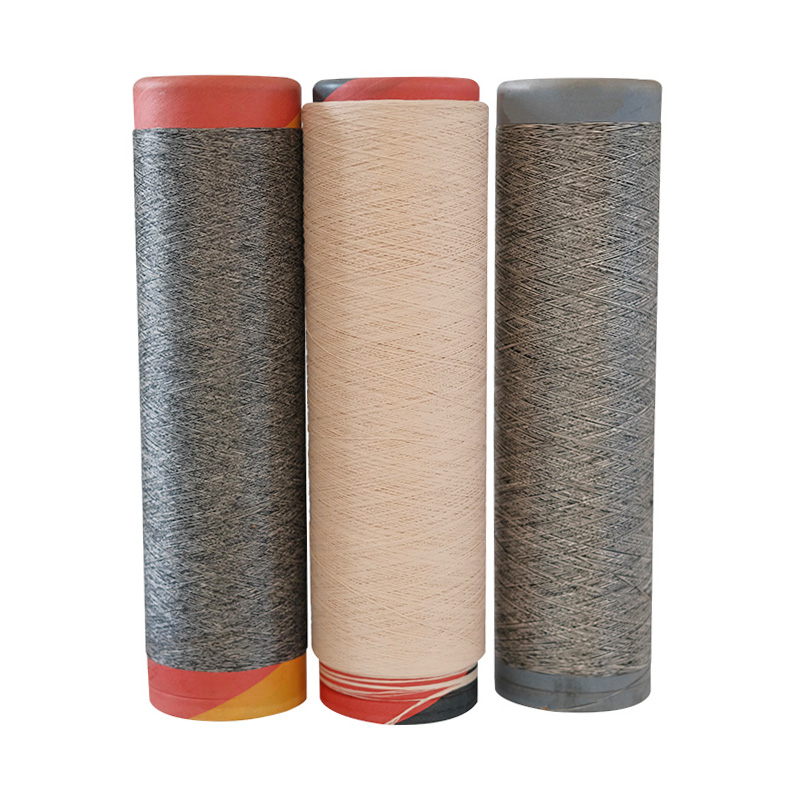
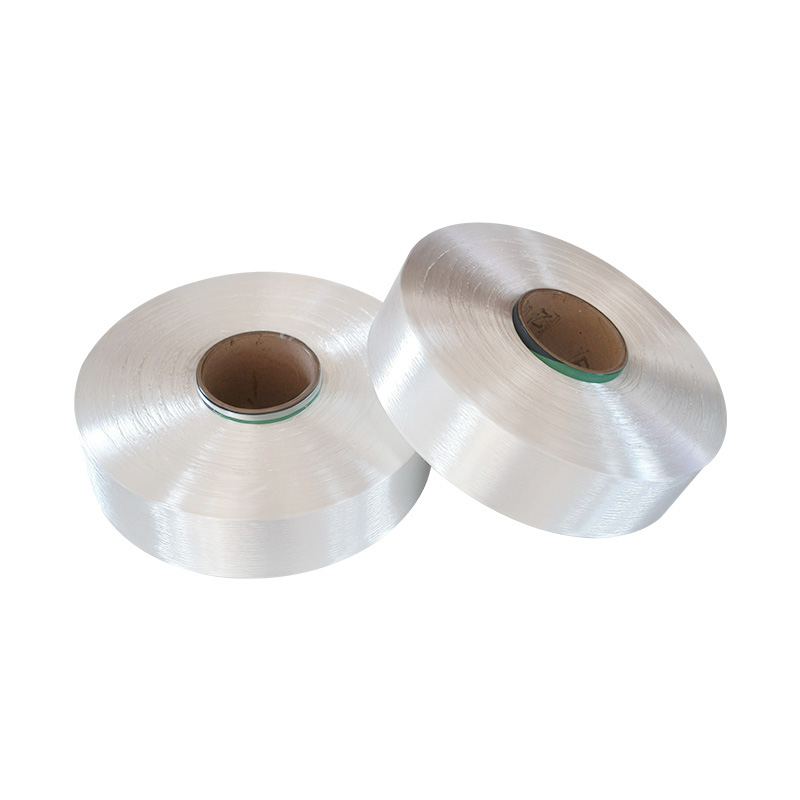
Sportswear, hosiery, and outdoor gear all lean on the same raw material decision: whether a mill specifies nylon FDY yarn or a general-purpose polyester alternative. Nylon FDY is a fully drawn nylon filament yarn valued for tensile strength, abrasion resistance, and elastic recovery that polyester filament cannot match in stretch-heavy applications. This guide walks through what nylon FDY actually is, how it compares against polyester FDY, the manufacturing steps behind it, and what separates a dependable supplier from a risky one.
What Is Nylon FDY Yarn?
Unlike nylon POY, which still requires a downstream drawing or texturing step, nylon FDY arrives at the mill ready for direct knitting or weaving. That difference alone changes lead times and processing costs for buyers running high-volume fabric lines.
Nylon FDY vs Polyester FDY: Which Fits Your Fabric?
Both are fully drawn synthetic filaments, but they behave differently once they hit a knitting machine or a finished garment.
| Attribute | Nylon FDY | Polyester FDY |
| Tensile strength | High, with strong elasticity | High, but less elastic |
| Abrasion resistance | Excellent | Good |
| Moisture absorption | Higher | Lower |
| Typical use case | Sportswear, hosiery, outdoor gear | Apparel, home textiles, industrial fabric |
Performance Advantages That Drive Adoption
Four properties explain why nylon FDY keeps winning specifications in stretch-heavy and high-friction textile categories.
How Nylon FDY Yarn Is Manufactured
Production runs through five controlled stages before yarn reaches a customer's loom or knitting machine.
- 1
Polymer preparation
Nylon 6 or 6.6 chips are dried and melted under controlled conditions.
- 2
Melt spinning
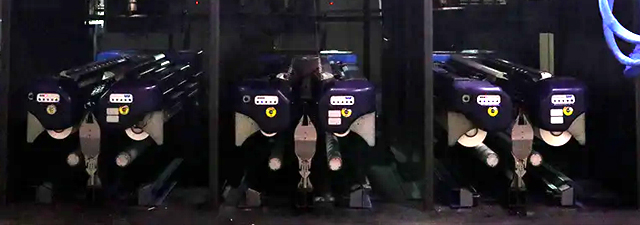
Molten polymer is extruded through spinnerets to form continuous filaments.
- 3
Cooling and solidification
Filaments cool and stabilize before entering the drawing stage.
- 4
Drawing process
Filaments are stretched under tension, aligning molecular chains for strength.
- 5
Winding and packaging
Finished nylon FDY yarn is wound onto packages ready for shipment.
Choosing a Nylon FDY Yarn Supplier
Specification alone does not guarantee consistent fabric quality. Buyers evaluating a nylon FDY yarn supplier should verify capability beyond the spec sheet before placing recurring orders.