+86-0571-82795522

 LANGUAGE
  English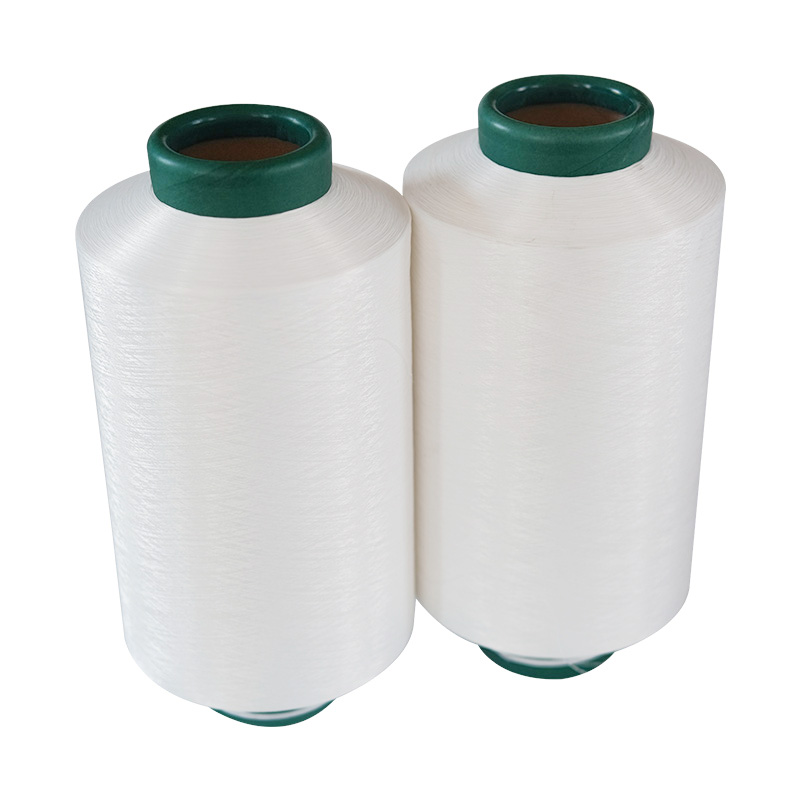
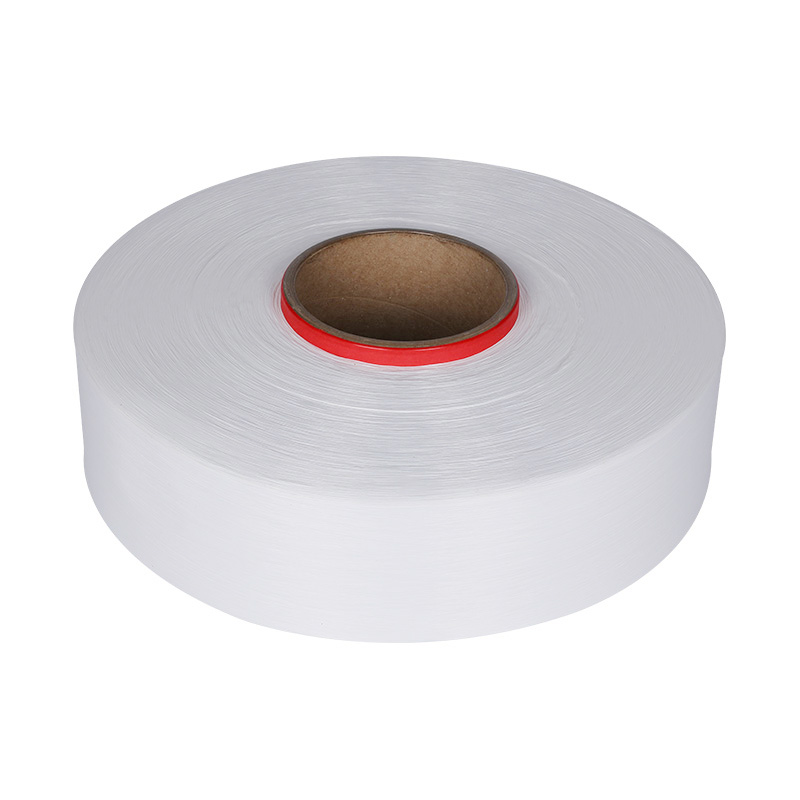
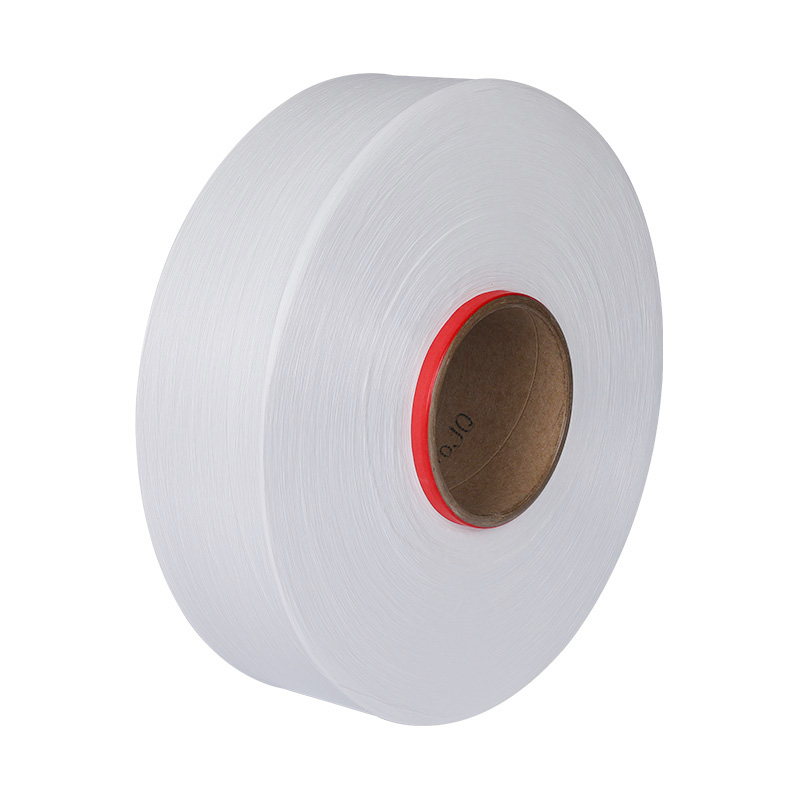
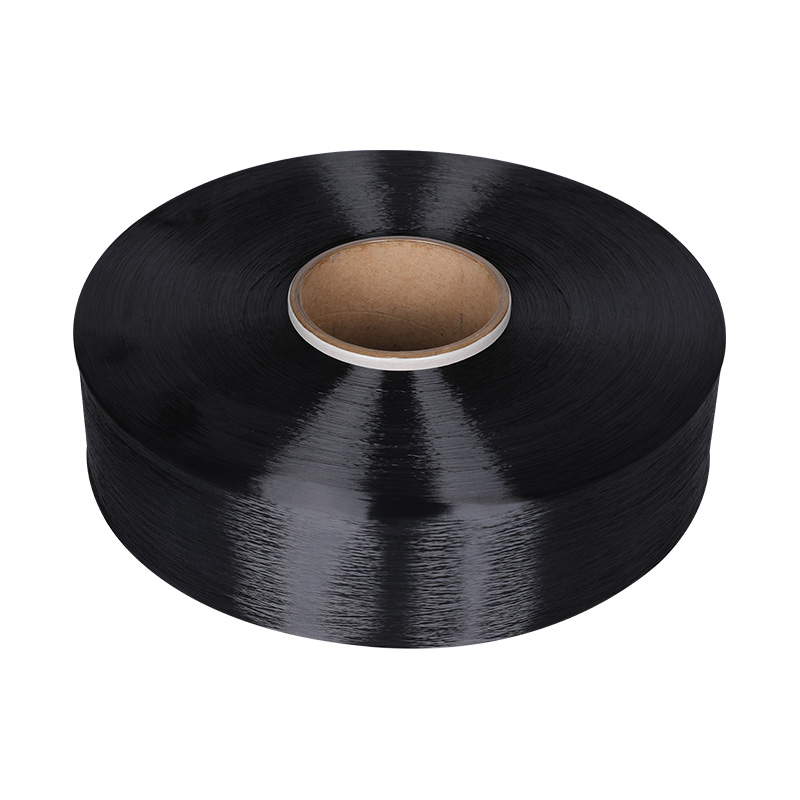
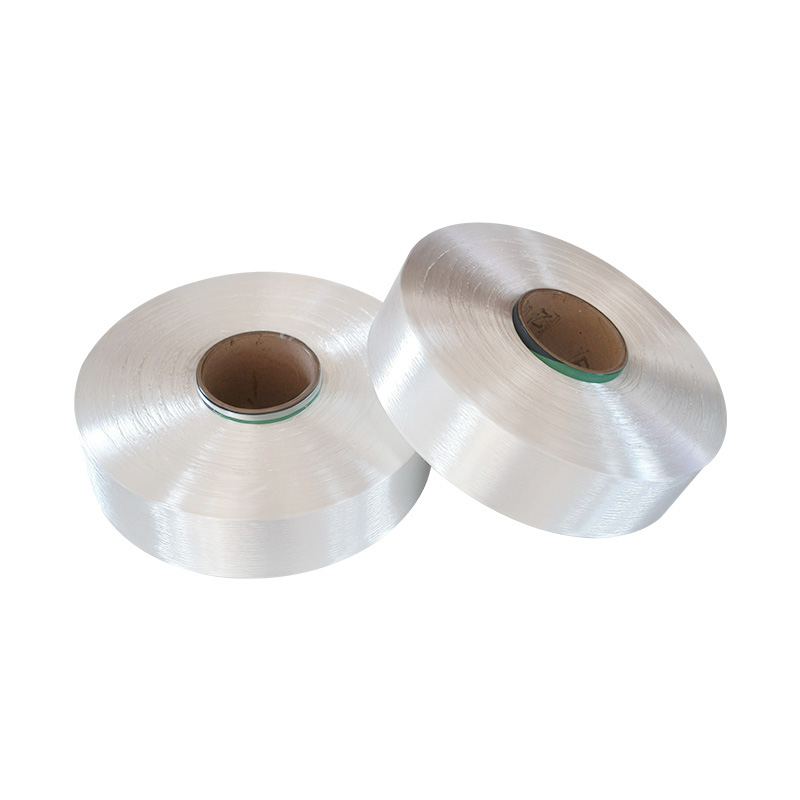
The DTY hollow yarn series is a specialized polyester draw textured yarn engineered with a hollow internal core, giving fabric producers a way to combine light weight, warmth, and softness in a single yarn family. Textile manufacturers building apparel, home textiles, and outdoor gear rely on this yarn category to hit performance targets that solid filament yarns cannot reach on their own.
What Is Hollow DTY Yarn and How Is It Made
Hollow DTY yarn is draw textured polyester yarn spun with an internal air channel running through each filament. That channel is what separates it from standard solid yarn: it traps still air, which lowers the yarn's effective weight while increasing its thermal resistance. The result is a fiber that behaves like a much heavier yarn in terms of bulk and coverage, without the added mass.
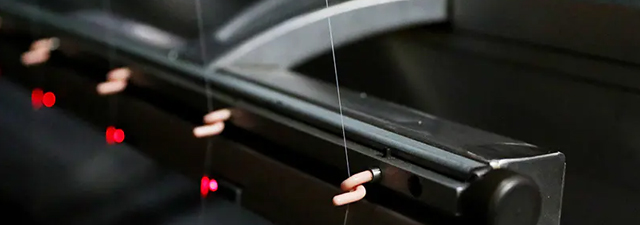
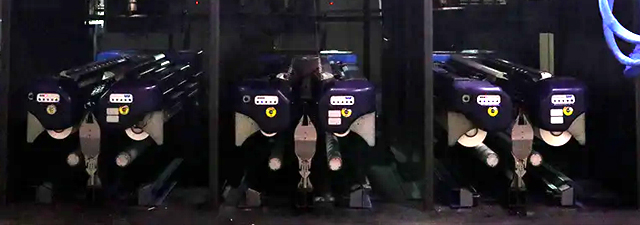
Production begins with polyester POY (partially oriented yarn), which is drawn to align the polymer chains and build tensile strength. The yarn then passes through false twisting and texturing, where the hollow filaments gain their characteristic crimp. Heat setting locks that crimp in place, and a final quality inspection checks denier consistency, crimp level, and filament uniformity before the yarn is wound and packaged.
Key Structural Traits
- Hollow core construction that reduces effective yarn weight
- High bulk and volume relative to solid filament yarn
- Improved warmth retention through trapped air pockets
- Soft hand feel suited to next-to-skin applications
Why Manufacturers Choose Hollow Yarn for Functional Fabrics
Three performance gains drive adoption: lighter fabric weight, better insulation, and a softer surface hand. Because the hollow channel replaces solid polymer mass with trapped air, fabrics knitted or woven from this yarn achieve thermal insulation levels closer to natural down alternatives while staying machine washable and cost stable.
Solid DTY Yarn
- Higher relative weight per unit of coverage
- Lower air retention
- Firmer hand feel
Hollow DTY Yarn
- Lower weight at equivalent bulk
- Higher air retention and warmth
- Softer, fuller hand feel
Stretch recovery and wrinkle resistance also improve with textured hollow filaments, since the crimp structure allows the fabric to return to shape after stretching. That combination of softness, elasticity, and appearance retention is why the yarn shows up so often in mid- and premium-tier fabric programs.
Main Applications Across Apparel, Home, and Outdoor Textiles
Apparel manufacturers use hollow DTY yarn in jackets, sportswear, and casual wear where comfort and lightweight coverage matter more than raw tensile strength. The yarn's moisture-neutral hollow core also supports breathable layering constructions common in activewear.
In home textiles, the same hollow structure produces blankets, bedding fabrics, and upholstery with a plush, warm hand that holds its loft over repeated washing. Outdoor and performance textile producers favor it for insulation fabrics and weather-adaptable sportswear, where durability has to be paired with a lightweight pack profile.
| Apparel | Jackets, sportswear, functional clothing | Lightweight comfort, moisture management |
| Home Textiles | Blankets, bedding, upholstery | Softness, warmth, bulk retention |
| Outdoor Textiles | Insulation fabrics, performance sportswear | Durability, weather adaptability |
Types of Hollow Yarn by Specification and Function
Hollow yarn is classified first by physical specification: denier, filament count, cross-section design, and hollow ratio all shape how the finished fabric performs. A higher hollow ratio generally means lighter weight and better insulation, while filament count affects surface smoothness and drape.
Functionally, the series splits into high bulk yarn for maximum loft, soft-hand yarn for next-to-skin apparel, lightweight yarn for packable outdoor gear, and heat retention yarn tuned for cold-weather products. Selecting the right type starts with the end fabric's performance brief, not the yarn spec sheet alone.
"A hollow yarn's value is measured by how much performance it adds per gram of polymer used — that ratio is what separates functional yarn from filler yarn."
How to Choose and Verify Quality for Production
Selection should weigh yarn count, filament number, hollow structure ratio, strength requirements, and the target fabric's construction method. Buyers sourcing at scale should request data on yarn uniformity, tensile strength, elongation, crimp consistency, and oil content, since variation in any of these directly shows up as fabric defects downstream.
- Confirm denier and filament count match the fabric's design weight
- Request crimp consistency data across production lots
- Check oil content specifications for downstream dyeing compatibility
- Verify strength and elongation figures against end-use stress requirements
Storage matters just as much as sourcing. Hollow yarn should be kept in moisture-controlled, temperature-stable conditions and protected from contamination before it reaches knitting or weaving lines, since the hollow channel structure is more sensitive to compression damage than solid yarn.
Where Hollow Yarn Technology Is Heading
Demand for lightweight, energy-efficient textile materials continues to push hollow yarn development toward higher hollow ratios and more consistent fiber geometry. Sustainable polyester sourcing, including recycled feedstocks, is increasingly paired with hollow structures to meet both performance and environmental sourcing targets in apparel and home textile supply chains.
Frequently Asked Questions
What makes hollow DTY yarn different from regular DTY yarn?
The hollow core replaces solid polymer mass with trapped air, cutting effective weight while improving thermal insulation and bulk compared to standard solid DTY yarn.
Which industries use hollow DTY yarn most?
Apparel, home textiles, and outdoor or performance textile manufacturers are the primary users, choosing it for warmth, softness, and lightweight coverage.
How should hollow yarn be stored before production?
It should be kept in moisture-controlled, temperature-stable storage, properly packaged, and protected from contamination to preserve crimp and hollow structure integrity.
What quality metrics matter most when sourcing hollow yarn?
Yarn uniformity, tensile strength, elongation, crimp consistency, and oil content are the core metrics that determine downstream fabric quality.
Manufacturers evaluating yarn options for their next fabric program can review specification sheets and sourcing details for the DTY hollow yarn series directly to match yarn type to fabric performance goals.