+86-0571-82795522

 LANGUAGE
  English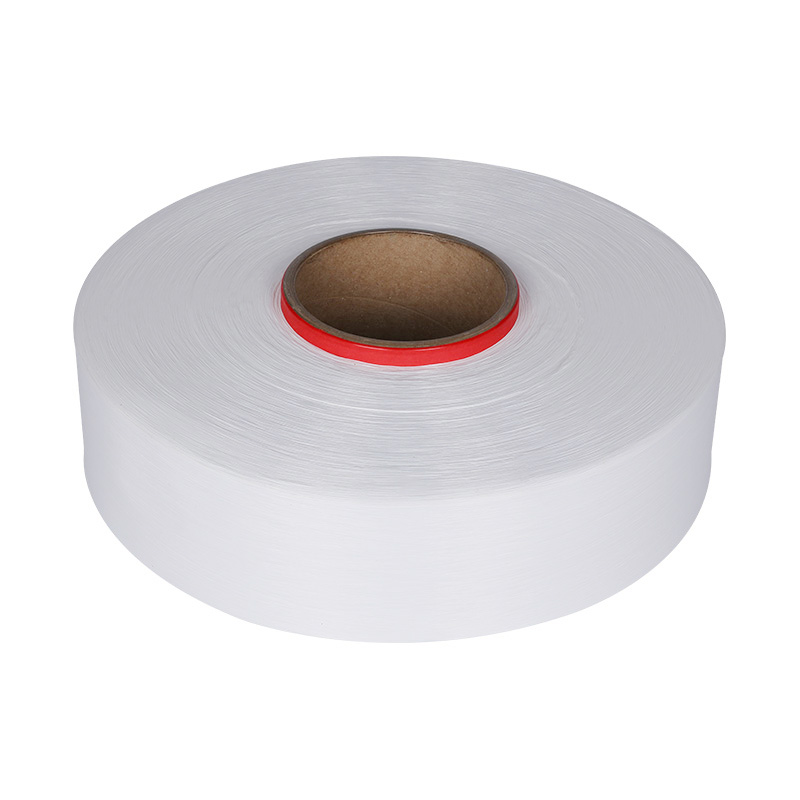
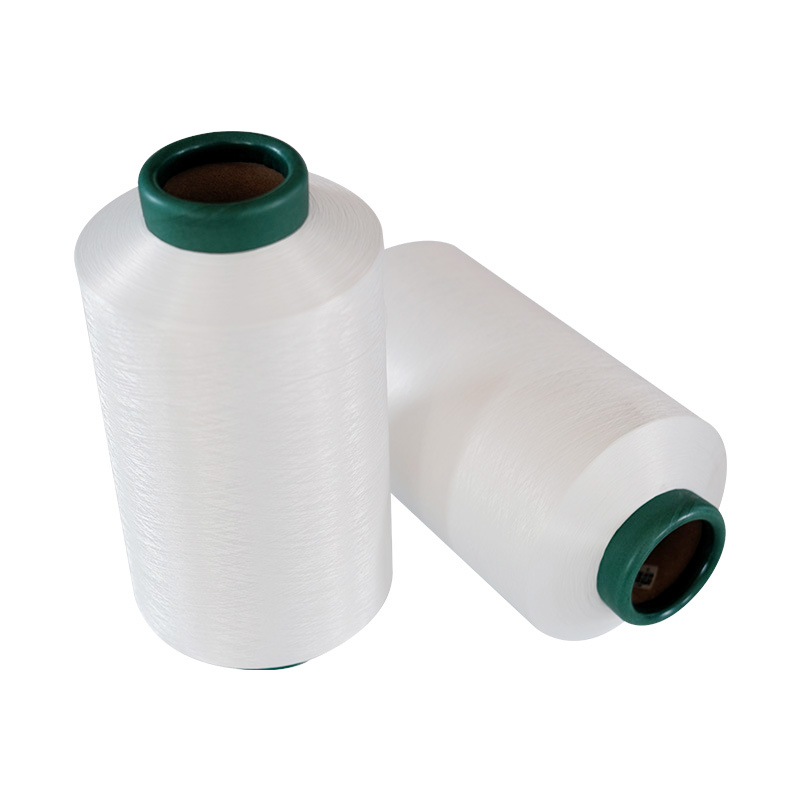
The textile industry demands materials that deliver both quality and versatility. FDY flat yarn has emerged as a critical solution for manufacturers seeking reliable, high-performance filament yarns. From sportswear applications to industrial fabric production, this fully drawn polyester yarn offers exceptional strength, consistent quality, and cost-efficiency that sets it apart from conventional alternatives.
Modern consumers expect apparel that performs under demanding conditions, breathes comfortably, and maintains its integrity through countless wash cycles. The textile producers behind these products rely on materials engineered with precision. FDY flat yarn series meets these expectations by providing polyester filament yarns with superior tenacity, reduced shrinkage, and excellent dyeability—characteristics that translate directly into finished products that exceed customer expectations.
Understanding FDY Flat Yarn Technology
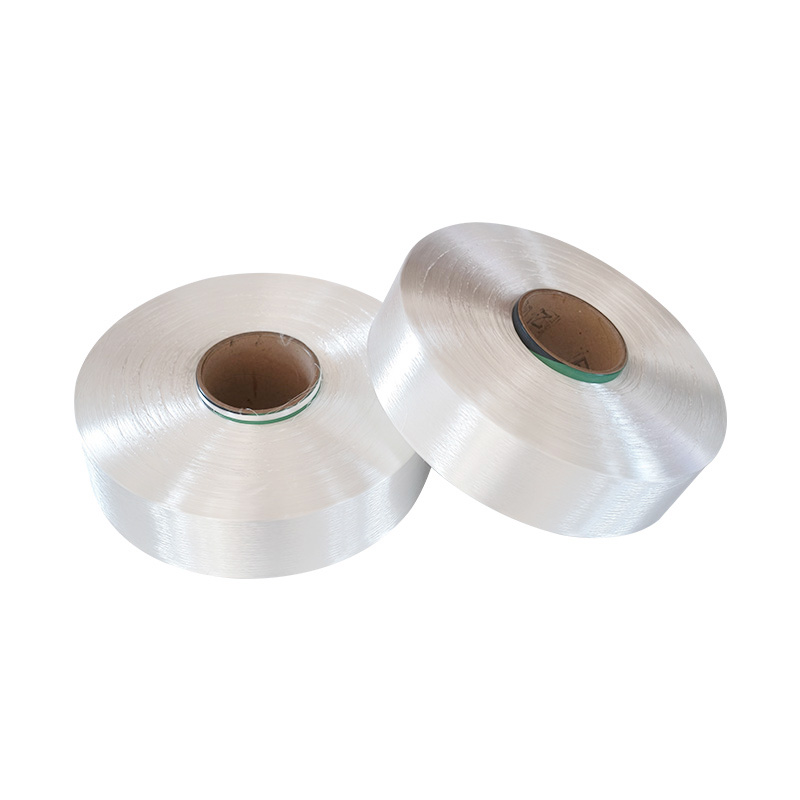
Fully drawn yarn (FDY) represents a significant advancement in synthetic fiber production. Unlike partially oriented yarn, FDY undergoes complete crystallization and orientation during manufacturing, resulting in superior mechanical properties. The flat ribbon structure of FDY yarn provides distinct advantages for specific textile applications.
Core Characteristics of Polyester FDY Yarn
The polyester FDY yarn category encompasses several critical performance metrics:
- Tenacity ranging from 4.5 to 6.5 GPD (grams per denier)
- Elongation at break between 15-25 percent
- Low shrinkage rates under standard conditions (under 5 percent)
- High modulus and dimensional stability
- Excellent resistance to moisture and chemical exposure
- Superior color fastness and dyeing uniformity
These properties make fully drawn polyester yarn exceptionally suitable for applications requiring durability, consistent appearance, and performance reliability. Manufacturers in the sportswear sector particularly value the combination of strength and elasticity that allows for flexible fabric construction without sacrificing structural integrity.
The Flat Yarn Advantage
Unlike textured or bulked yarn, flat FDY yarn maintains a smooth, ribbon-like cross-section. This geometry provides several technical advantages for fabric producers, including improved fabric surface smoothness, enhanced luster, and better color depth. The flat profile also facilitates more uniform weaving and knitting processes, reducing production variability and waste.
FDY Flat Yarn Series Specifications and Variants
The comprehensive FDY flat yarn series offers multiple denier and filament count combinations to serve diverse manufacturing requirements. Each specification targets specific performance needs and cost parameters.
Common Specification Categories
| Specification | Typical Applications | Key Properties |
|---|---|---|
| 75D/36F | Lightweight apparel, linings | Fine denier, smooth appearance |
| 100D/48F | Standard sportswear, casual wear | Balanced strength and comfort |
| 150D/72F | Performance fabrics, outerwear | High tenacity, excellent durability |
| 300D/96F | Industrial textiles, technical fabrics | Maximum strength, heavy-duty applications |
The denier specification indicates the linear mass density, while the filament count represents the number of individual fibers comprising each yarn. Higher filament counts at equivalent denier weights produce yarns with thinner individual filaments, creating smoother, more lustrous fabrics. This relationship between denier and filament configuration enables precise control over fabric hand-feel and appearance.

Primary Applications Across Industries
Sportswear and Performance Textiles
The sportswear industry represents one of the largest and most demanding markets for fully drawn polyester yarn. Athletic apparel requires materials that withstand repetitive stress, maintain dimensional stability through numerous laundry cycles, and provide moisture-wicking capability when combined with appropriate fabric construction.
Sports jersey manufacturers specify FDY flat yarn for base layers, where moisture transport and quick drying prove essential. The yarn's consistent tenacity ensures even stress distribution across the fabric, preventing premature failure in high-friction areas. Additionally, the smooth surface of flat yarn enables vibrant color reproduction, critical for branded apparel where visual impact drives consumer preference.
Home Textiles and Household Applications
Bed linens, curtains, upholstery, and other home textile applications benefit significantly from the dimensional stability and durability of polyester flat yarn. Consumers expect home textiles to maintain their appearance and structural integrity through years of use and regular washing.
The low shrinkage characteristics of FDY yarn ensure that finished textile products retain their original dimensions after manufacturing. This stability proves particularly valuable for fitted applications like sheet sets and pillow covers, where size consistency directly impacts usability and customer satisfaction. Furthermore, the excellent dyeing properties of polyester FDY enable manufacturers to achieve the sophisticated color palettes and patterns that contemporary home décor demands.
Industrial and Technical Textiles
Industrial applications push yarn performance parameters to their limits. Conveyor belts, geotextiles, filtration fabrics, and reinforcement materials require yarns capable of withstanding mechanical stress, environmental exposure, and demanding processing conditions.
Higher denier specifications like 200D and 300D fully drawn yarn series provide the tensile strength necessary for these applications. The consistent properties and reliable quality of industrially-produced FDY yarn enable engineers to design fabrics with predictable, reproducible performance characteristics. This reliability reduces safety risks and extends the service life of industrial textile products.
Key Advantages of FDY Flat Yarn Over Alternative Materials
Superior Mechanical Properties
The complete crystallization process inherent to FDY production creates molecular alignment that generates exceptional tensile strength without unnecessary bulk. This efficiency allows fabric designers to achieve desired strength with thinner, lighter constructions compared to partially oriented alternatives.
Production Efficiency and Consistency
The standardized nature of fully drawn yarn production means manufacturers receive materials with predictable properties batch after batch. This consistency minimizes production surprises, reduces quality control overhead, and enables streamlined manufacturing processes. Fabric producers can confidently set loom or knit machine parameters knowing that yarn behavior will remain constant across extended production runs.
Cost-Performance Balance
When evaluated on a performance-per-dollar basis, FDY flat yarn delivers exceptional value. The combination of reasonable raw material costs, high production efficiency, and superior end-product performance creates an attractive economic proposition for textile manufacturers operating under competitive margin pressures.
Environmental and Processing Considerations
Polyester FDY yarn integrates well into existing textile manufacturing infrastructure. No specialized dyeing or processing equipment modifications prove necessary, enabling manufacturers to adopt FDY yarn without significant capital investment. The yarn's stability under standard industrial processing conditions contributes to overall sustainability by reducing production waste and rework requirements.
Versatility in Fabric Construction
The flat yarn geometry permits both woven and knitted fabric construction, accommodating the full range of textile manufacturing methodologies. This versatility allows the same yarn specification to serve multiple market segments and application categories, enhancing supply chain efficiency and reducing inventory complexity.
Understanding FDY Yarn Production and Quality Control
Manufacturing Process Overview
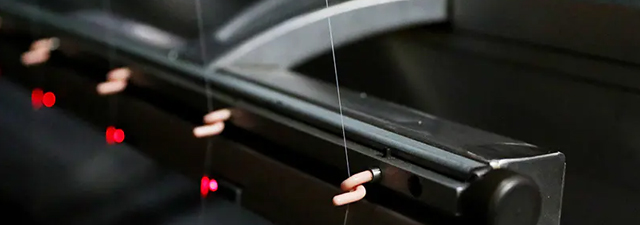
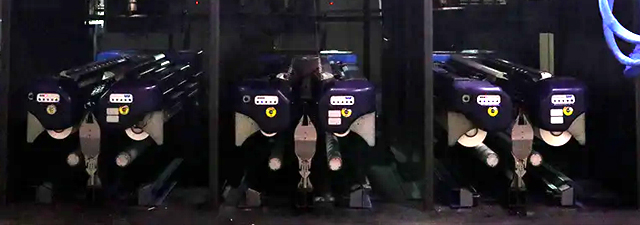
Polyester FDY production begins with polymer chip melting and extrusion through spinnerets, creating individual filaments. These filaments pass through a cooling chamber where they rapidly solidify. Unlike partially oriented yarn processes, FDY manufacturing includes a drawing stage where filaments experience controlled tension and heat treatment, achieving complete molecular orientation.
This drawing process fundamentally distinguishes FDY from POY (partially oriented yarn). The crystalline structure achieved through complete drawing generates the superior tenacity, modulus, and dimensional stability that characterize high-quality FDY products. Manufacturers carefully control drawing temperatures and speeds to optimize molecular alignment without causing filament fusion or other defects.
Quality Parameters and Testing
Comprehensive quality assurance programs ensure that FDY flat yarn meets specifications consistently. Standard testing includes:
- Tensile strength measurement across multiple samples
- Elongation at break verification
- Shrinkage testing under standardized temperature conditions
- Denier measurement and uniformity assessment
- Visual inspection for physical defects
- Color consistency verification for dyed products
- Moisture regain and hygroscopic property assessment
These testing protocols ensure that yarn properties remain within specification, enabling downstream manufacturers to achieve consistent final product quality without excessive process adjustments or waste.
Selecting the Right FDY Flat Yarn Specification
Matching Denier to Application Requirements
The selection of appropriate yarn denier represents one of the most critical decisions in fabric design. Finer deniers (75D-100D) create lightweight fabrics suitable for summer apparel, delicate applications, and situations where fabric drape and flexibility prove essential. Medium deniers (150D-200D) balance strength and lightness, serving the majority of mainstream apparel applications. Heavy deniers (300D and above) concentrate maximum strength into single yarns, enabling industrial and outerwear applications.
Filament Count Considerations
For any given denier specification, increasing the filament count creates smoother, more lustrous yarns with improved handle characteristics. Conversely, fewer filaments at equivalent denier weights produce slightly textured appearances. This decision depends heavily on the desired aesthetic properties of the finished fabric and the end-use expectations of the target consumer.
Color and Dyeing Properties
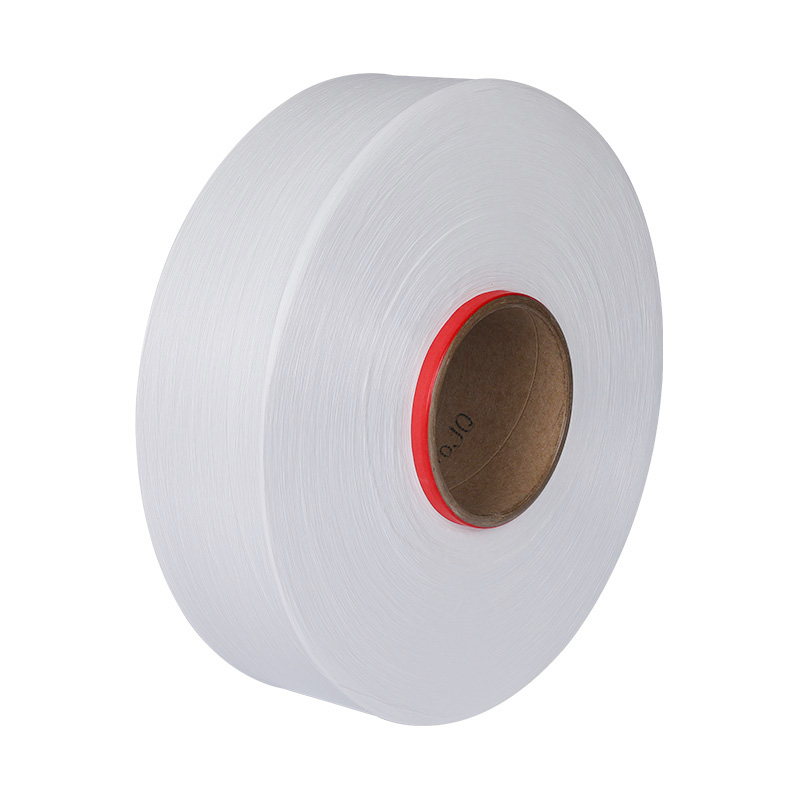
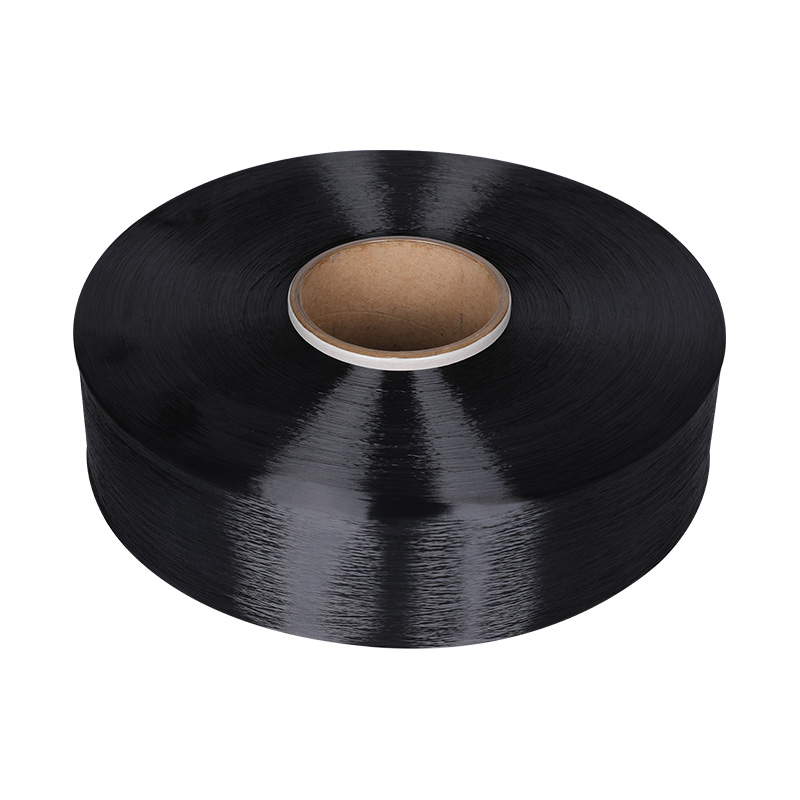
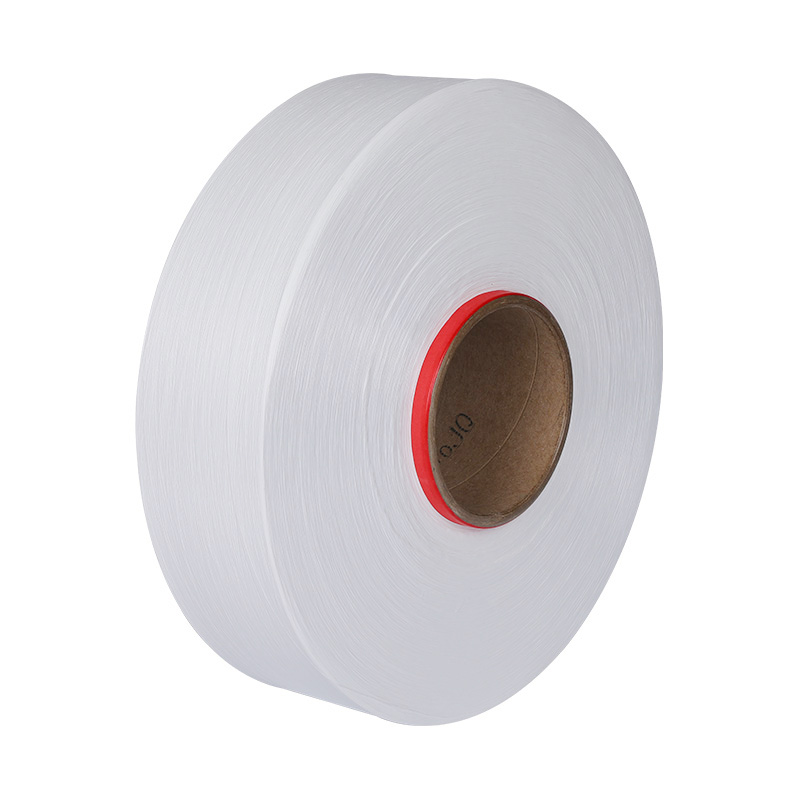
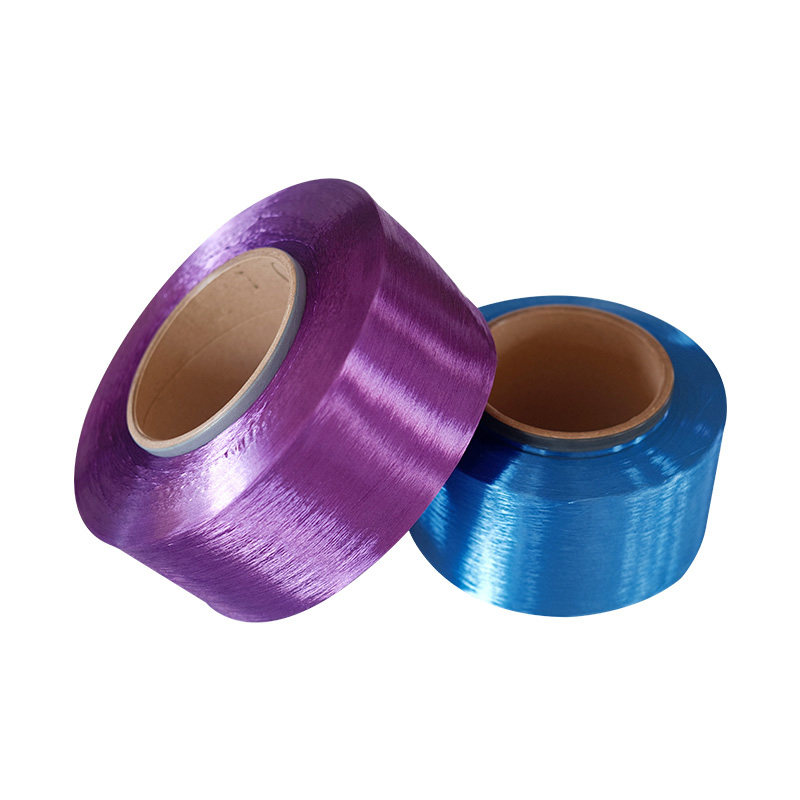
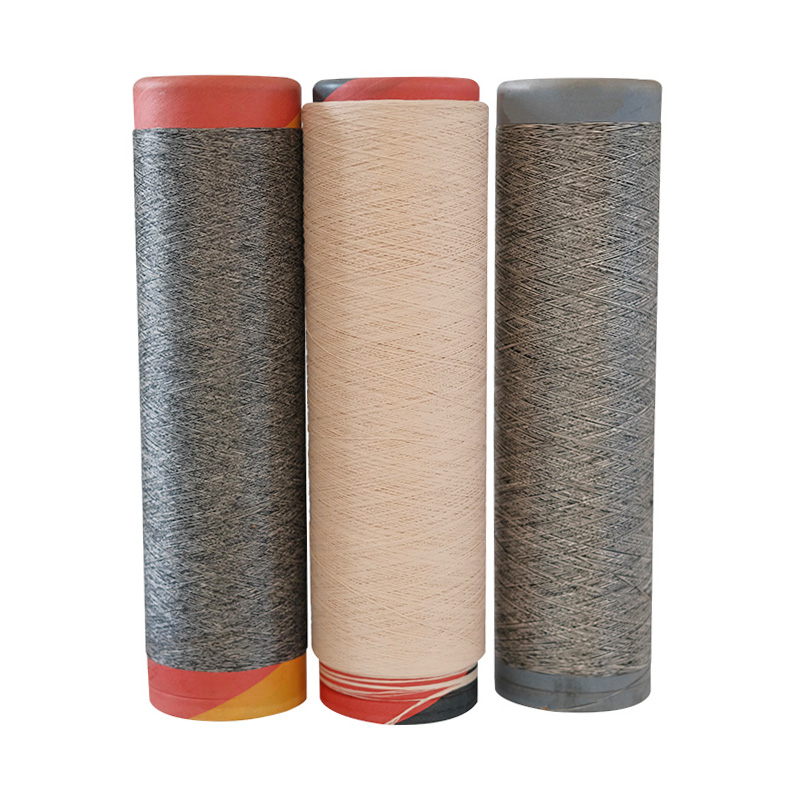
Standard polyester FDY accepts disperse dyes readily, enabling vibrant color achievement. Manufacturers selecting yarn specifications should consider whether raw white yarn or pre-dyed options better suit their production workflows. Pre-dyed FDY offers consistency advantages but typically entails higher material costs and reduced color flexibility.
Sustainability and Supplier Considerations
Modern textile manufacturers increasingly evaluate supplier sustainability practices as part of procurement decisions. Selecting suppliers committed to responsible production practices, waste minimization, and energy efficiency aligns with both corporate values and evolving consumer expectations regarding environmental stewardship.
Market Trends and Future Outlook for Polyester Filament Yarn
Growing Demand for High-Performance Textiles
Consumer expectations for apparel performance have evolved dramatically. Modern sportswear demands moisture management, temperature regulation, antimicrobial properties, and durability that exceeds previous generations' standards. This trend directly benefits FDY yarn manufacturers and suppliers, as the mechanical reliability of fully drawn yarns provides the foundation upon which advanced textile technologies are built.
Expansion Beyond Traditional Markets
While sportswear and home textiles represent traditional strongholds, innovative applications continue emerging. Technical textiles for healthcare, protective equipment, and specialized industrial uses increasingly incorporate FDY-based fabrics. These expanding markets demonstrate the versatility and adaptability of polyester filament yarn technology.
Digital and Data-Driven Manufacturing
Leading manufacturers increasingly implement sophisticated quality monitoring systems, leveraging real-time data to optimize production parameters and ensure consistent yarn properties. This technology adoption trend will likely accelerate, creating competitive advantages for suppliers who embrace data-driven manufacturing approaches.
Sustainability and Alternative Materials
Environmental considerations are reshaping the textile industry. Recycled polyester FDY represents a growing category, allowing manufacturers to meet sustainability commitments without sacrificing performance characteristics. Additionally, bio-based polyester alternatives are under development, though conventional polyester FDY will likely remain dominant for the foreseeable future given its established supply chains and proven performance.
Technical Considerations for Fabric Manufacturers
Weaving and Knitting Parameters
FDY flat yarn exhibits excellent dimensional stability during mechanical processing. However, optimizing loom tension and knitting machine parameters to the specific characteristics of your chosen yarn specification ensures superior results. The smooth surface of flat yarn may require slightly adjusted tension compared to textured alternatives to prevent snags or tension variations.
Dyeing Procedures
Polyester FDY responds well to standard disperse dyeing procedures. The yarn's consistent properties enable uniform color absorption across the entire fabric width and length. Manufacturers should note that FDY yarn's high crystallinity may necessitate slightly elevated dyebath temperatures and extended processing times compared to less-developed fiber structures.
Finishing and Post-Processing
The dimensional stability of fully drawn yarn reduces shrinkage complications during finishing processes. Sanforization and other chemical finishing procedures can be implemented with confidence, as FDY's already-stable molecular structure minimizes unexpected dimensional changes. This predictability simplifies finishing logistics and reduces scrap rates.
Moisture and Environmental Factors
Polyester exhibits low moisture regain compared to natural fibers, typically around 0.4-0.8 percent under standard conditions. This characteristic contributes to FDY yarn's stability but may necessitate different environmental controls compared to cotton-based production. Maintaining consistent humidity levels prevents static electricity accumulation during processing, which could affect yarn handling characteristics.
Frequently Asked Questions
Q1: What does FDY stand for, and how does it differ from POY?
FDY stands for Fully Drawn Yarn. The primary distinction between FDY and POY (Partially Oriented Yarn) lies in the degree of molecular orientation achieved during manufacturing. FDY undergoes complete orientation and crystallization, resulting in superior tenacity, reduced shrinkage, and enhanced dimensional stability. POY, by contrast, remains partially oriented and requires additional processing before reaching optimal properties. This makes FDY immediately suitable for fabric production without additional drawing steps.
Q2: What are the typical tenacity ranges for different FDY specifications?
FDY flat yarn generally exhibits tenacity between 4.5 and 6.5 GPD (grams per denier), with specific values depending on the particular specification and manufacturing conditions. Higher denier yarns tend toward the upper end of this range, while lighter deniers may cluster toward the lower boundary. Specific tenacity values should be verified with your yarn supplier's technical documentation for your chosen specification.
Q3: Can FDY flat yarn be used for both woven and knitted fabrics?
Yes, FDY flat yarn performs well in both woven and knitted fabric construction. The smooth, flat profile and consistent properties make it suitable for weaving on shuttle and shuttleless looms, as well as for knitting applications including circular, flat, and warp knitting processes. The yarn's versatility across construction methodologies represents one of its significant advantages.
Q4: How does moisture affect FDY yarn storage and handling?
Polyester FDY exhibits low moisture sensitivity due to its inherent low moisture regain characteristics. However, managing humidity during storage prevents static electricity accumulation and facilitates smoother yarn handling during processing. Standard warehouse conditions with moderate humidity levels (40-60 percent relative humidity) prove adequate for FDY storage without requiring specialized climate control.
Q5: What is the typical shelf life of FDY flat yarn?
Properly stored FDY yarn maintains its properties for extended periods, typically exceeding two years under standard warehouse conditions. The key is protecting yarn from environmental extremes, direct sunlight, and contamination. Manufacturers should implement first-in-first-out inventory management to ensure that yarn is processed within reasonable timeframes and maintains optimal characteristics.
Q6: Are there eco-friendly variants of FDY polyester yarn available?
Yes, recycled polyester FDY yarn represents an increasingly available option for environmentally conscious manufacturers. Recycled variants maintain performance characteristics equivalent to virgin polyester while reducing environmental impact. Additionally, some suppliers offer FDY yarn produced using energy-efficient manufacturing processes, supporting sustainability objectives across the supply chain.
Q7: How should dyeing procedures be adjusted for FDY flat yarn?
FDY yarn's high crystallinity responds well to standard disperse dyeing procedures but may require slightly elevated temperatures and extended processing times compared to partially oriented yarns. Working closely with your dyeing facility and consulting supplier technical documentation ensures optimal color results. Pre-dyed FDY options are also available for manufacturers prioritizing convenience over color flexibility.
Q8: What factors should be considered when selecting a FDY yarn supplier?
Evaluate potential suppliers based on consistent quality performance, technical support capabilities, supply reliability, pricing competitiveness, and sustainability practices. Requesting samples for testing against your specific application requirements ensures suitability before committing to large-volume orders. Long-term supplier relationships built on trust and mutual understanding typically yield superior outcomes compared to transaction-based procurement approaches.