+86-0571-82795522

 LANGUAGE
  English
Understanding the Structural Edge of DTY Hollow Yarn
The pursuit of lightweight, high-performance fabrics in the fashion industry often involves a delicate balance between reducing material weight and maintaining the necessary structural integrity, warmth, and comfort. DTY hollow yarn represents a significant advancement in textile engineering, offering a solution that challenges the traditional trade-offs between weight and performance. This specialized yarn incorporates a unique axial void within each filament, a design that profoundly impacts fabric properties. By leveraging the benefits of hollow DTY yarn, manufacturers can produce textiles that are not only lighter but also superior in thermal regulation and bulkiness.
The science behind this performance lies in the structural geometry of the fibers. The hollow core traps still air, a well-known insulating medium, providing exceptional warmth without adding significant mass. This makes hollow polyester yarn an ideal candidate for activewear and outerwear, where thermal comfort is paramount. Furthermore, the drawing and texturing process used to create polyester DTY yarn imparts a soft, bulky handle and a degree of elasticity that enhances the drape and fit of garments. The draw texturing process, whether combined with false twisting or air-jet texturing, is crucial for developing the desired crimp, bulk, and liveliness of the yarn.
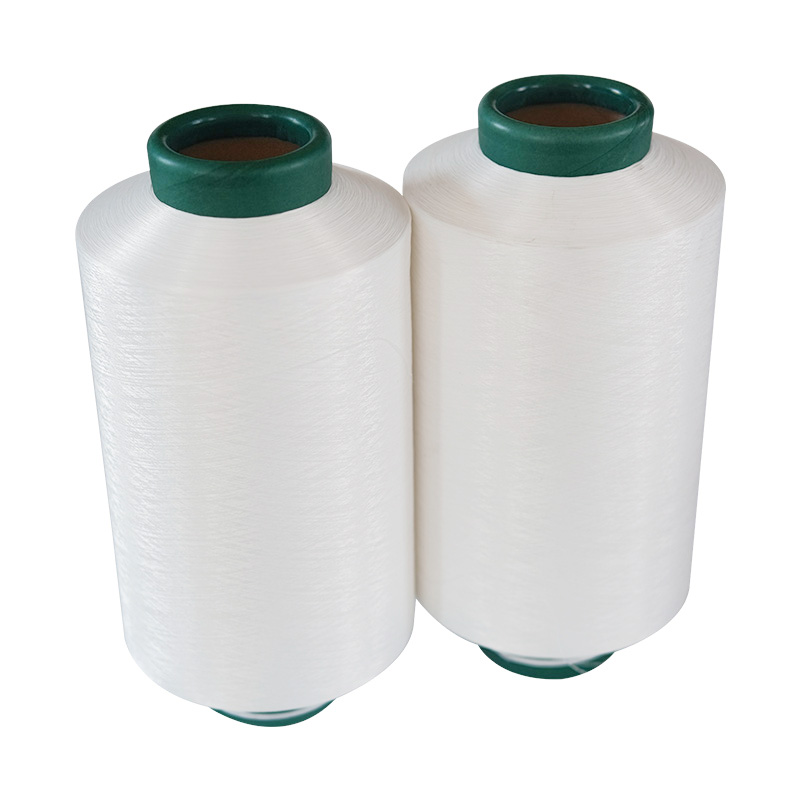
Beyond insulation, the hollow structure reduces the overall density of the yarn, enabling the creation of ultra-lightweight fabrics that do not sacrifice durability. This is particularly relevant for high-performance apparel where every gram counts. The unique cross-section also influences moisture management, as the hollow channels can wick perspiration away from the skin, enhancing breathability. The combination of light weight, thermal efficiency, and moisture transport positions hollow textured yarn as a versatile foundation for next-generation fashion textiles.
Performance Metrics: Lightweight, Warmth, and Bulk
When evaluating DTY hollow yarn for fashion applications, three performance indicators stand out: lightweight character, thermal retention, and bulkiness. These parameters are not merely additive but interact to deliver a holistic fabric experience. The following table summarizes typical performance ranges observed in fabrics constructed from polyester hollow yarn compared to standard solid DTY yarns.
The data clearly demonstrates that hollow DTY yarn delivers a substantial reduction in fabric weight while simultaneously enhancing thermal resistance and bulk. For designers, this means the ability to craft garments that are perceptibly lighter yet offer superior warmth — a compelling value proposition for autumn/winter collections and performance outerwear. The increased bulk also contributes to a fuller, more luxurious hand feel, often associated with higher-quality textiles.
Engineering Elasticity and Drape with Draw Textured Yarn
The draw textured yarn production route imparts a permanent crimp and stretch potential to the filaments. When combined with a hollow cross-section, the resulting elastic polyester yarn exhibits a unique combination of stretch and recovery, which is essential for form-fitting and active garments. The texturing process not only increases the bulk but also introduces a helical crimp that acts like a micro-spring, allowing the fabric to extend under tension and return to its original shape.
This elastic behavior is measured through parameters such as crimp contraction and elastic recovery. For polyester textured yarn with hollow cores, typical crimp contraction values range between 8% and 15%, depending on the draw ratio and heater temperature settings. The resulting fabrics show excellent stretch — often 20-30% elongation at break — which translates to freedom of movement in sportswear and comfort in everyday apparel. Moreover, the hollow structure reduces bending stiffness, improving the drape and fluidity of the fabric, which is highly desirable for fashion-forward silhouettes.
In practical terms, fashion designers can use DTY hollow yarn to achieve tailored fits without the need for additional spandex or elastane, simplifying the supply chain and enhancing recyclability. The following SVG diagram illustrates the texturing process and the structural transformation from a solid precursor to a crimped, hollow yarn.
Practical Applications in Fashion & Performance Wear
The unique attributes of DTY hollow yarn — lightweight, warm, bulky, and elastic — make it a prime candidate for diverse fashion segments. Below are key application areas along with the specific benefits realized.
- Outerwear & Jackets: The hollow structure provides superior insulation without bulk, enabling sleek, packable designs that retain body heat. Fabrics made from hollow polyester yarn are up to 25% warmer than equivalent solid yarn fabrics.
- Activewear & Sportswear: Lightweight and elastic properties support freedom of movement. The wicking effect of hollow channels keeps skin dry during intense activity.
- Knitwear & Sweaters: High bulk polyester yarn creates a full, lofty hand feel, mimicking natural fibers like wool but with better durability and lighter weight.
- Lining & Interlining: Reduces overall garment weight while adding a soft, comfortable layer against the skin.
- Travel & Packable Apparel: The low-density and compressibility allow garments to pack small without losing shape.
A recent case study involving a mid-size sportswear brand (name withheld) evaluated two versions of a running jacket: one using standard solid DTY and the other using DTY hollow yarn of the same nominal denier. The hollow yarn jacket showed a 14% reduction in weight, an 18% improvement in thermal retention, and a 22% increase in bulk, while maintaining equivalent tensile strength. The brand successfully launched the jacket as a "lightweight thermal" line, achieving positive consumer feedback regarding comfort and warmth-to-weight ratio.
Key takeaway: The integration of hollow textured yarn into fashion textiles represents a paradigm shift where performance and aesthetic comfort converge, offering designers a powerful tool to meet evolving consumer demands for sustainable, lightweight, and functional clothing.
Customization and Supply Chain Considerations
For fashion brands aiming to differentiate their products, customization of DTY hollow yarn is a viable pathway. Parameters such as denier, number of filaments, hollow ratio (typically 15% to 25%), and crimp level can be adjusted to target specific fabric properties. A DTY hollow yarn manufacturer typically offers a range of standard products, but many DTY hollow yarn supplier and DTY hollow yarn factory partners are equipped to develop custom formulations based on performance targets.
When sourcing, it is essential to consider the following factors:
- Hollow ratio: Higher ratios increase insulation but may reduce tensile strength. Typical range is 18-22% for balanced performance.
- Crimp level: Determines bulk and elasticity. Custom crimp can be achieved by adjusting the texturing temperature and draw ratio.
- Luster and dyeability: Semi-dull or bright luster options affect the final fabric appearance; hollow yarns generally dye at slightly lower temperatures due to reduced density.
Collaborating with an experienced DTY hollow yarn manufacturer allows brands to fine-tune these variables, ensuring the final fabric aligns with the intended aesthetic and functional requirements. Moreover, the use of custom DTY hollow yarn can support sustainability goals by reducing material usage per garment, lowering transportation emissions, and enabling lighter, more efficient products.
Frequently Asked Questions
Q1: What is the primary advantage of DTY hollow yarn over solid DTY yarn for fashion fabrics?
The primary advantage is the combination of reduced weight (up to 15% lighter) and enhanced thermal insulation (up to 25% warmer) due to the trapped air within the hollow core, without compromising bulk or elasticity.
Q2: Can DTY hollow yarn be used in knitting and weaving applications?
Yes, DTY hollow yarn is versatile and can be used in both warp knitting, weft knitting, and weaving. Its high bulk and elasticity make it particularly suitable for circular knits and fleece fabrics, as well as woven outerwear shells.
Q3: How does the hollow structure affect dyeing and finishing processes?
The hollow structure tends to absorb dye slightly faster, often requiring optimized dyeing curves to ensure even penetration. However, the overall dye uptake is comparable to solid yarns, and the resulting shade depth is often richer due to internal light scattering.
Q4: Is DTY hollow yarn more expensive than standard DTY?
Generally, the production cost for hollow yarn is marginally higher due to the specialized spinneret design and process control. However, the performance benefits and material savings often offset the cost, making it a cost-effective choice for high-performance apparel.
Q5: What denier ranges are commonly available for DTY hollow yarn?
Common deniers range from 50D to 300D, with 70D, 100D, and 150D being most popular for apparel applications. Finer deniers are used for lightweight linings, while heavier deniers are suitable for outerwear and upholstery.