+86-0571-82795522

 LANGUAGE
  English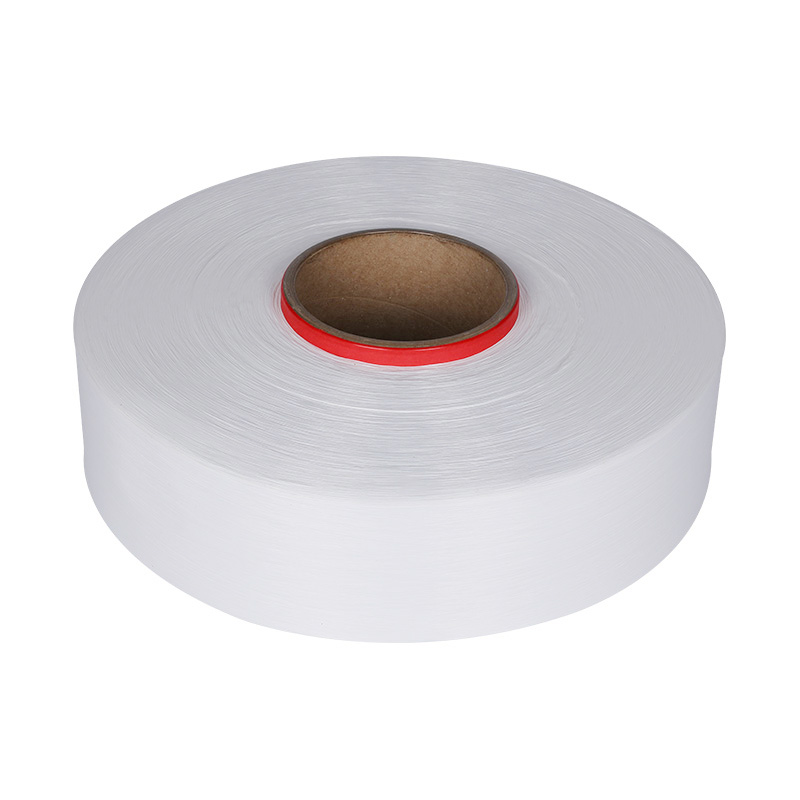
The manufacturing of FDY (Fully Drawn Yarn) flat yarn series is a complex process that involves several stages, transforming raw fibers into high-quality yarn that can be used in a variety of applications, from textiles to industrial products.
Introduction to FDY Flat Yarn
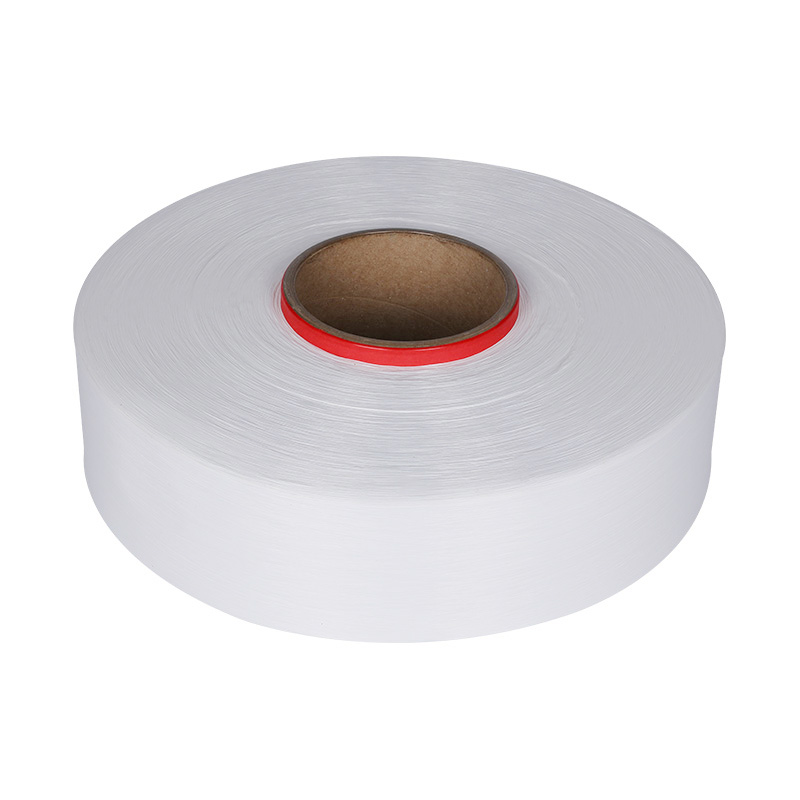
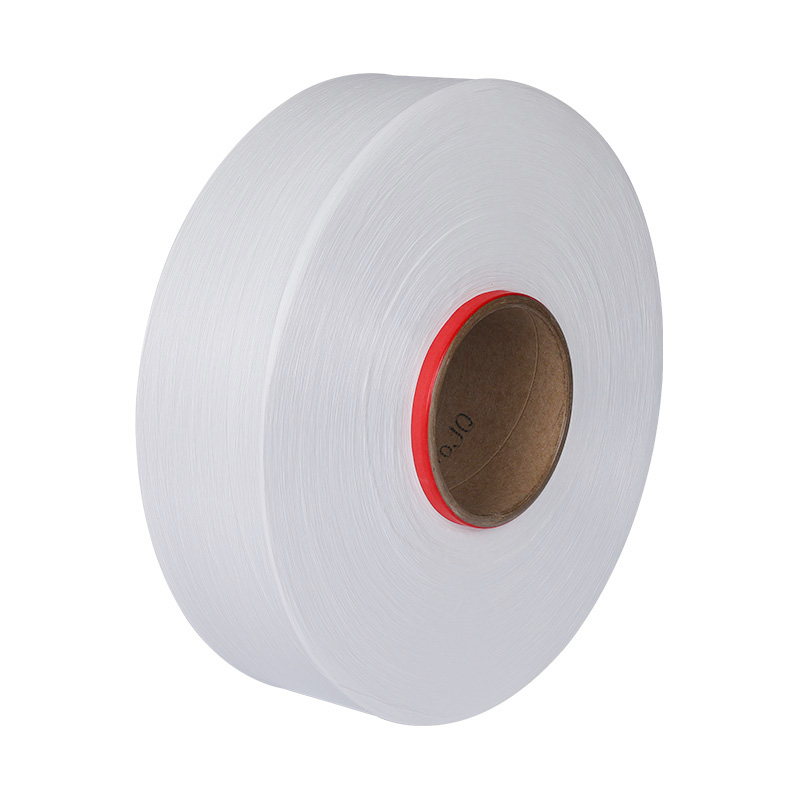
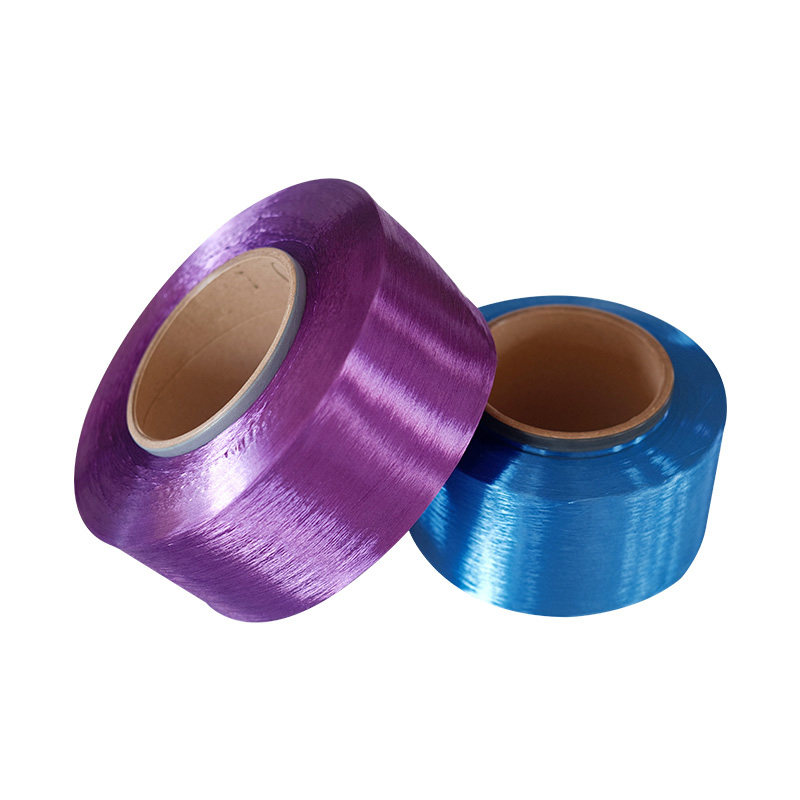
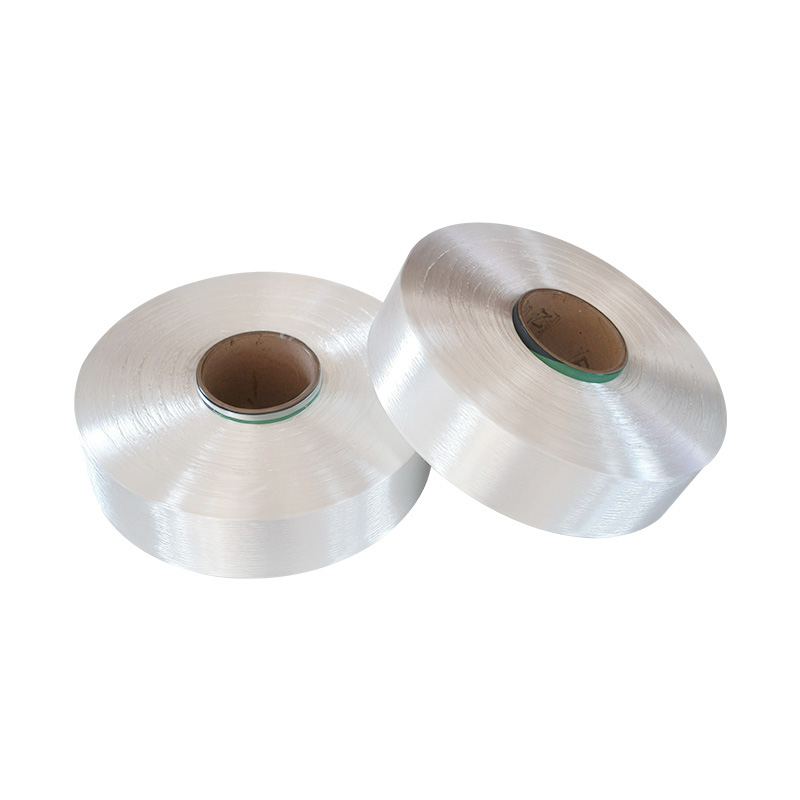
FDY flat yarn is produced from polyester or nylon filaments and is known for its flat, smooth, and uniform appearance. The flat shape of the yarn makes it ideal for weaving and knitting, providing superior fabric qualities such as a smooth texture and excellent light reflection. FDY is often used in high-end textile applications like fabrics, automotive materials, and various industrial uses.
This yarn series is manufactured through a fully drawn process, which allows the yarn to retain its shape and properties after being stretched to its maximum tensile strength. The process ensures that FDY flat yarn maintains consistent quality, high tenacity, and exceptional uniformity in texture, making it suitable for both functional and decorative textiles.
Raw Material Preparation: The Foundation of Quality
Before the manufacturing process begins, high-quality raw materials must be prepared. The primary raw materials for FDY flat yarn are polyester chips or nylon chips. These chips are sourced from petrochemical products and serve as the building blocks for the yarn. The raw material’s quality is crucial in determining the final product’s durability, color, and performance.
The preparation of raw materials involves several steps:
-
Polymerization: The first step in the process is the polymerization of the raw material chips. These chips are heated to a specific temperature to turn them into a molten state. This molten polymer is then extruded through spinnerets to create fibers.
-
Filament Formation: After polymerization, the molten polymer is extruded through a spinneret, which consists of tiny holes. This process results in the formation of continuous filaments, which are cooled and solidified.
-
Stretching: The extruded filaments undergo a stretching process, which enhances their molecular alignment, increasing the yarn’s tensile strength and flexibility.
Drawing Process: Creating Fully Drawn Yarn
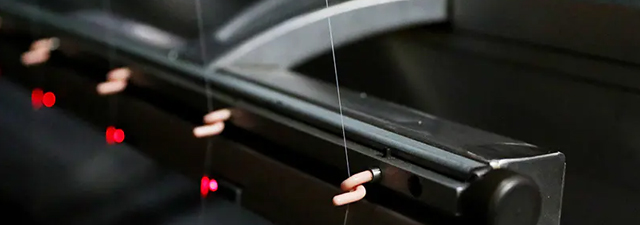
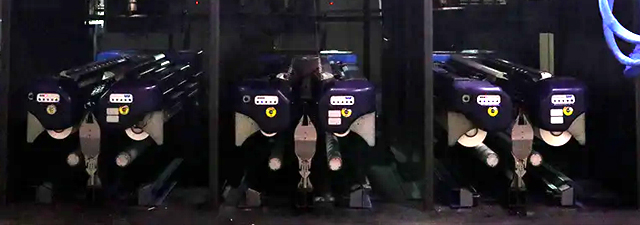
The drawing process is central to the production of FDY flat yarn. In this stage, the filaments are subjected to a series of mechanical stretches. This process is essential for improving the yarn’s uniformity and strength. During drawing, the yarn is stretched under controlled conditions to increase its tensile strength and ensure consistent dimensions.
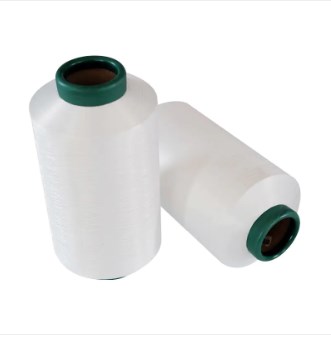
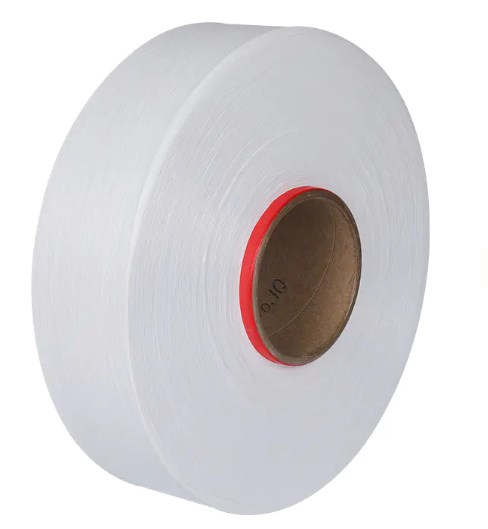
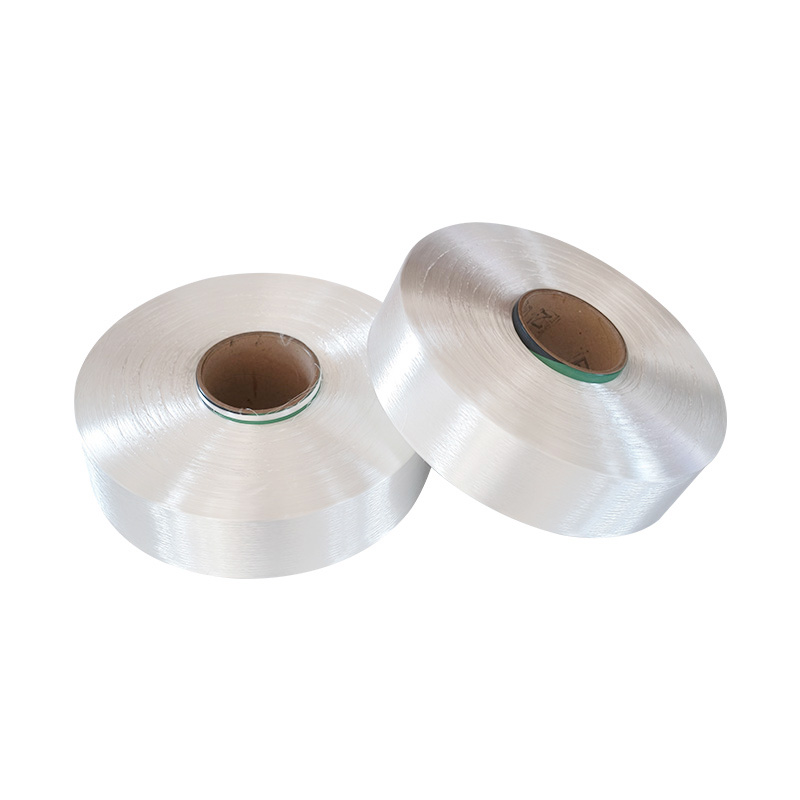
The fully drawn yarn is then cooled and wound into packages. The drawing process is critical because it affects the yarn’s final appearance, strength, and smoothness. The FDY flat yarn produced through this method is typically more durable and resilient compared to other yarn types, making it ideal for high-performance applications.
Twisting: Adding Strength and Texture
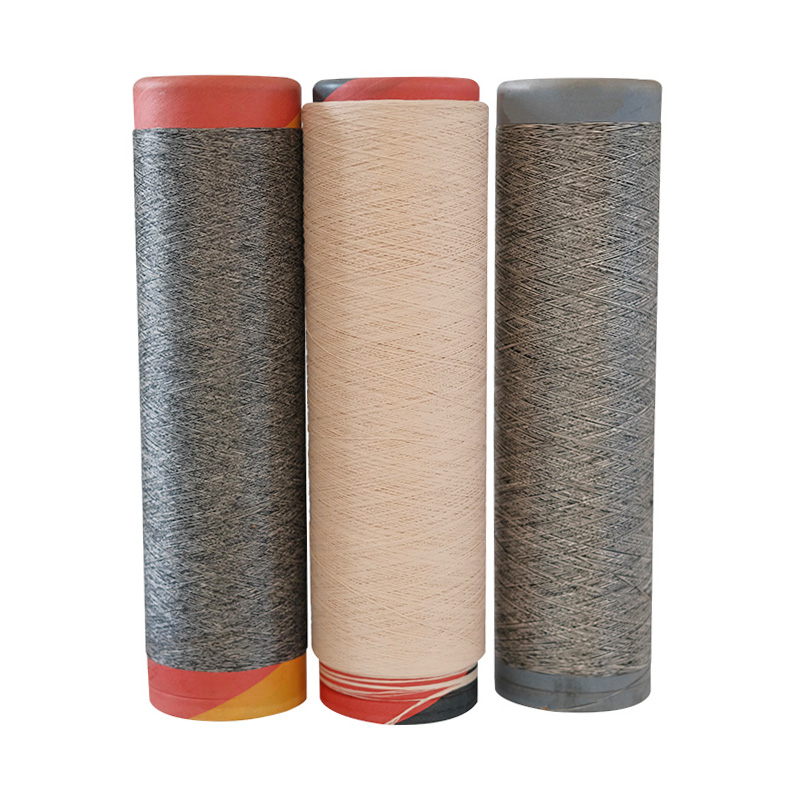
Although FDY flat yarn is often manufactured without twisting to maintain its flat shape, some applications may require additional twisting to provide texture and strength. Twisting enhances the yarn’s stability, making it suitable for specific textile uses. In some cases, the yarn may be twisted in a Z or S direction, depending on the desired final fabric properties.
Twisting can also help the yarn maintain its shape during the weaving and knitting processes, ensuring that it doesn’t lose its flat, smooth appearance. However, excessive twisting can compromise the yarn’s quality, leading to unevenness or fraying.
Dyeing and Finishing: Color and Texture Enhancement
The dyeing and finishing stages are critical to the aesthetic and functional properties of FDY flat yarn. This is where the yarn receives its final color, texture, and additional functional coatings.
-
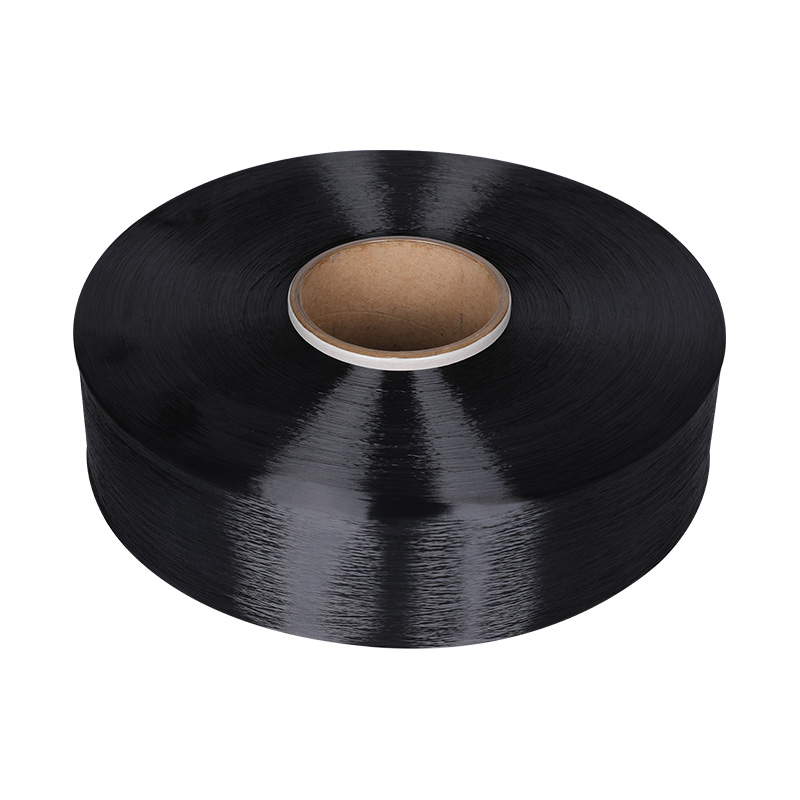
Dyeing: The yarn is dyed using various techniques, depending on the desired color and application. This stage allows manufacturers to produce FDY flat yarn in a wide range of colors, meeting the demands of different industries, from fashion to automotive.
-
Finishing: Once dyed, the yarn is treated with special finishes that improve its performance. These finishes can include water repellency, flame resistance, anti-static properties, or UV protection, depending on the intended use. Finishing enhances the yarn’s durability and overall aesthetic, making it more appealing to consumers.
Winding: Preparing for Use in Textiles
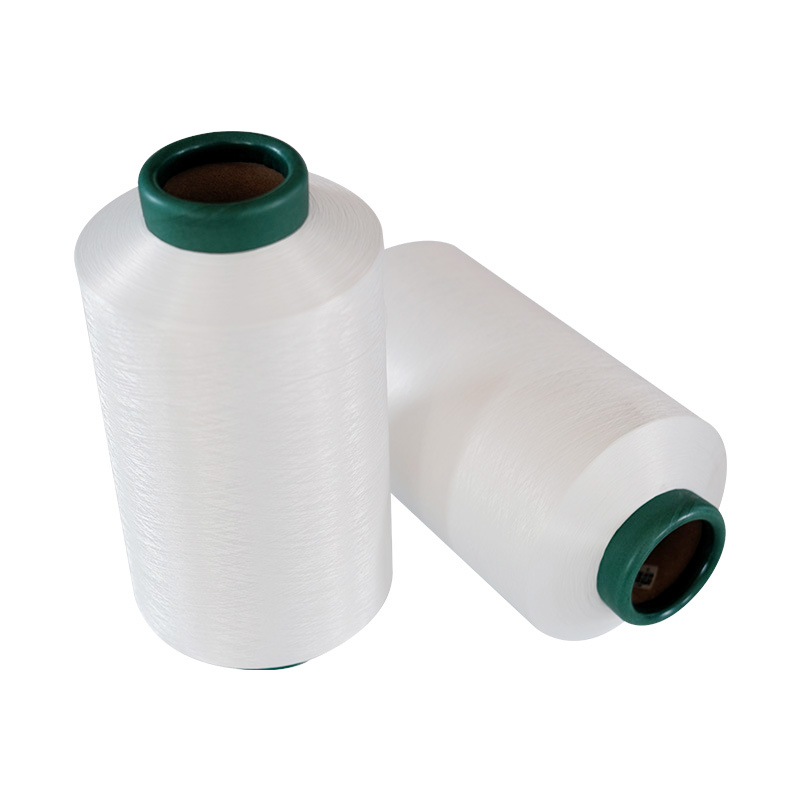
After the yarn is dyed and finished, it undergoes the winding process. Winding involves taking the yarn from the spinning package and winding it onto a larger spool or bobbin. The purpose of winding is to make the yarn easier to handle, transport, and use in textile manufacturing.
At this stage, the yarn is checked for defects, ensuring that there are no inconsistencies in texture, color, or strength. Any imperfections detected are corrected before the yarn is packaged for distribution.
Applications of FDY Flat Yarn Series
FDY flat yarn is used in a variety of industries due to its exceptional properties. Some of the most common applications include:
-
Textiles and Apparel: The smooth and shiny surface of FDY flat yarn makes it an ideal choice for high-end textile fabrics such as dresses, curtains, and upholstery. The yarn provides an elegant finish that is both durable and aesthetically pleasing.
-
Automotive Materials: In the automotive industry, FDY flat yarn is used in seat covers, upholstery, and interior fabric applications. Its strength and resistance to wear make it ideal for automotive textiles that must withstand heavy use.
-
Industrial Fabrics: FDY flat yarn is also widely used in industrial applications like filters, belts, and ropes. The yarn’s durability and resistance to various environmental factors make it ideal for harsh industrial environments.
Quality Control and Standards
Quality control is an essential aspect of FDY flat yarn production. Manufacturers adhere to strict standards to ensure that the final product meets the required specifications for strength, texture, and appearance.
A typical quality control process involves the following steps:
-
Visual Inspection: The yarn is inspected visually to detect any defects, such as irregularities in color or texture.
-
Tensile Testing: The yarn is subjected to tensile tests to measure its strength and ensure that it meets the required standards.
-
Dimensional Testing: The diameter, length, and evenness of the yarn are checked to ensure uniformity.
Environmental Considerations
The production of FDY flat yarn also involves considering its environmental impact. Manufacturers are increasingly focusing on sustainable practices to minimize waste and reduce the carbon footprint associated with yarn production. Efforts include recycling waste materials, using eco-friendly dyes, and optimizing energy use in the manufacturing process.
Sustainable production methods ensure that FDY flat yarn not only performs well but also contributes to a more eco-friendly textile industry.
Conclusion
The manufacturing process of FDY flat yarn is intricate and requires advanced technologies to ensure the production of high-quality, durable, and aesthetically pleasing yarn. From the preparation of raw materials to the final winding stage, each step plays a critical role in ensuring that the yarn meets the demands of various industries.
By understanding the process, companies and consumers alike can appreciate the complexities behind FDY flat yarn production and its vast range of applications. The ability to produce high-quality yarn consistently is what sets FDY apart, making it a valuable component in modern textiles and industrial products.
FAQ
1. What is FDY flat yarn?
FDY flat yarn is a type of polyester or nylon yarn that is fully drawn to enhance its strength, uniformity, and smooth texture. Its flat shape makes it suitable for various textile applications, including fashion and automotive materials.
2. What are the main benefits of FDY flat yarn?
FDY flat yarn offers superior durability, uniformity, and a smooth finish. It is resistant to wear and tear, making it ideal for high-performance applications like automotive upholstery and industrial fabrics.
3. Can FDY flat yarn be dyed?
Yes, FDY flat yarn can be dyed using various methods to achieve the desired color and aesthetic. Dyeing allows for the production of yarn in a wide range of colors to meet different industry requirements.
4. What industries use FDY flat yarn?
FDY flat yarn is used in textiles, automotive materials, industrial fabrics, and various other applications where durability and smooth texture are important. It is commonly found in high-end fabrics, seat covers, and ropes.
5. How is FDY flat yarn produced?
FDY flat yarn is produced by extruding polymer chips into filaments, which are then drawn to increase their strength and uniformity. The yarn is then dyed, finished, and wound into packages for use in textile manufacturing.