+86-0571-82795522

 LANGUAGE
  English
In the textile industry, the debate between recycled yarn and virgin yarn is gaining momentum, driven by both environmental concerns and the need for sustainable manufacturing practices. The growing demand for eco-friendly products has led many manufacturers to explore alternatives to traditional yarns, with recycled yarn emerging as a viable option.
Introduction
Yarn production is a fundamental aspect of the textile industry, with raw materials traditionally being sourced from natural or synthetic fibers. However, as environmental consciousness grows, many are turning to recycled fibers as an alternative. Recycled yarn series have become increasingly popular due to their potential for reducing waste and conserving natural resources. But how does the quality of recycled yarn compare to virgin yarn in production? To answer this question, we will examine the key factors that influence the quality of both types of yarn.
Production Process of Virgin Yarn
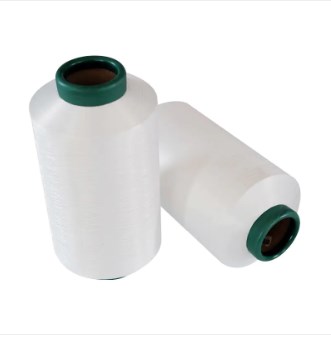
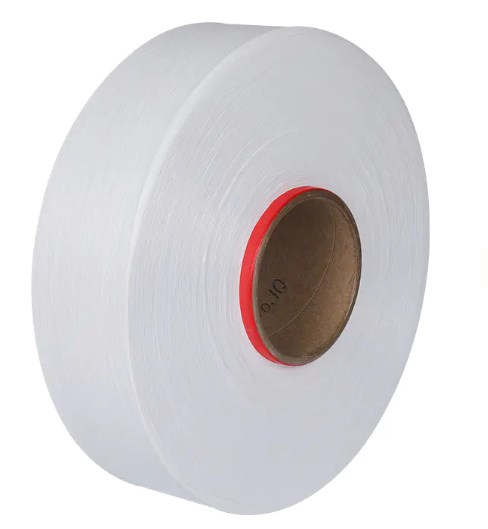
Virgin yarn is made from completely new fibers, whether natural (e.g., cotton, wool) or synthetic (e.g., polyester, nylon). The production process involves several stages, starting from fiber extraction, spinning, and dyeing to the final yarn winding and packaging. Since virgin yarn comes from fresh raw materials, it generally has fewer contaminants and impurities, making it highly consistent in terms of quality.
Key steps in virgin yarn production:
- Fiber Selection: The raw materials are carefully chosen based on the intended use of the yarn.
- Spinning: The fibers are twisted and drawn into yarn, giving it the desired strength and texture.
- Dyeing and Finishing: Virgin yarns are often treated to achieve specific colors and finishes, which can affect the overall appearance and performance.
Virgin yarn typically boasts superior strength, durability, and uniformity. However, the environmental impact of producing virgin fibers—especially synthetic ones—is significant. The extraction of petrochemicals for synthetic fibers and the water and pesticide use for natural fibers contribute to a substantial carbon footprint.
Production Process of Recycled Yarn
Recycled yarn is made from post-consumer or post-industrial waste materials, including discarded garments, plastic bottles, and textile scraps. These materials are processed, broken down, and re-spun into new yarn. The recycled yarn series can consist of a variety of fibers, such as recycled polyester, nylon, or cotton.
Key steps in recycled yarn production:
- Collection and Sorting: Waste textiles are gathered and sorted according to fiber type.
- Cleaning and Fiber Recovery: The fibers are cleaned to remove any contaminants before they are processed into yarn.
- Spinning: The recovered fibers are spun into yarn, similar to the process used for virgin fibers.
The recycled yarn production process tends to be more resource-efficient compared to virgin yarn production, as it reuses existing materials. However, the quality of recycled yarn can vary depending on the source material and the efficiency of the recycling process.
Quality Comparison: Virgin Yarn vs. Recycled Yarn
While virgin yarn is known for its uniformity and strength, recycled yarn can offer comparable quality in many cases, with the added benefit of reducing waste. Below, we explore how both types of yarn compare across various quality metrics:
Strength and Durability
- Virgin Yarn: Due to the use of new fibers, virgin yarn tends to have high tensile strength and durability. It is less prone to breakage during production or use.
- Recycled Yarn: Recycled yarn may have slightly lower strength, depending on the quality of the source material and the recycling process. However, advancements in recycling technology have made it possible to produce recycled yarn that is nearly as strong as virgin yarn.
Uniformity
- Virgin Yarn: Virgin yarn is generally more uniform in texture, thickness, and color because it is made from high-quality, uncontaminated fibers.
- Recycled Yarn: The quality of recycled yarn can be affected by impurities and variations in the source materials. While most recycled yarns are processed to ensure uniformity, slight variations may still occur, especially in lower-quality recycled yarn series.
Appearance and Aesthetics
- Virgin Yarn: Virgin yarn tends to have a cleaner appearance, with more consistent color and texture.
- Recycled Yarn: While recycled yarn may initially have a less polished appearance, it can still be dyed and finished to meet the aesthetic demands of the end product. The visual quality may be influenced by the types of waste materials used.
Environmental Impact
- Virgin Yarn: The environmental impact of virgin yarn production is significant, especially for synthetic fibers, which require petrochemicals and large amounts of water.
- Recycled Yarn: One of the primary benefits of recycled yarn is its reduced environmental footprint. By reusing fibers, manufacturers can conserve resources and reduce waste. Recycled yarn also requires less energy to produce than virgin yarn.
Cost Considerations
While recycled yarn offers significant environmental benefits, it can sometimes be more expensive to produce than virgin yarn, particularly for higher-quality recycled yarn series. This is because the recycling process can be more labor-intensive, and the cleaning and sorting of raw materials may add additional costs. However, as recycling technology advances and more waste materials become available, the cost of recycled yarn is expected to decrease.
Applications of Virgin and Recycled Yarn
Both virgin and recycled yarns are used across various industries, from fashion to home textiles. The choice of yarn often depends on the intended application, desired quality, and budget.
- Virgin Yarn: Typically used in high-end garments, technical fabrics, and products where performance and durability are critical.
- Recycled Yarn: Ideal for eco-friendly products, casual wear, and home textiles, where sustainability is a key selling point.
Advantages and Disadvantages
| Factor | Virgin Yarn | Recycled Yarn |
|---|---|---|
| Strength | High | Slightly lower, but improving |
| Uniformity | Very uniform | Can vary depending on source |
| Appearance | Consistent color and texture | May have slight imperfections |
| Environmental Impact | High (especially for synthetic) | Low (reduces waste and conserves resources) |
| Cost | Generally cheaper | Can be more expensive |
Conclusion
In conclusion, while virgin yarn is often considered the gold standard for quality due to its consistency, strength, and appearance, recycled yarn offers a viable, eco-friendly alternative that can meet the demands of many applications. Advances in recycling technology are narrowing the quality gap between recycled and virgin yarn, making recycled options more competitive both environmentally and economically.
FAQ
1. Is recycled yarn as strong as virgin yarn?
While recycled yarn may initially have slightly lower strength, advancements in recycling technology have made it comparable to virgin yarn in terms of durability.
2. How does recycled yarn impact the environment?
Recycled yarn has a significantly lower environmental impact compared to virgin yarn, as it reduces waste and conserves resources by reusing fibers.
3. Can recycled yarn be used in high-end garments?
Yes, recycled yarn can be used in high-quality garments, though it may require careful processing to ensure uniformity and strength.
4. Why is recycled yarn sometimes more expensive than virgin yarn?
The recycling process can be more labor-intensive and costly, which can make recycled yarn more expensive. However, as technology improves, the cost is expected to decrease.
5. What are the key benefits of using recycled yarn?
Recycled yarn offers environmental benefits, reduces waste, and conserves resources while still providing good quality for various applications.