+86-0571-82795522

 LANGUAGE
  English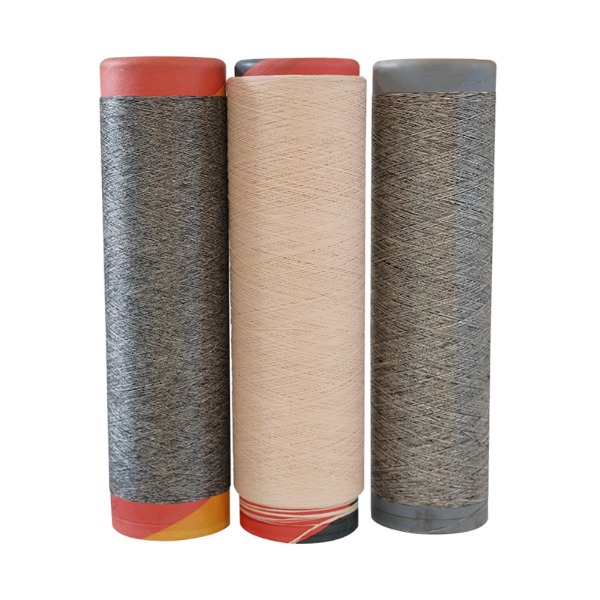
Understanding the Role of Composite Yarn in Modern Textiles
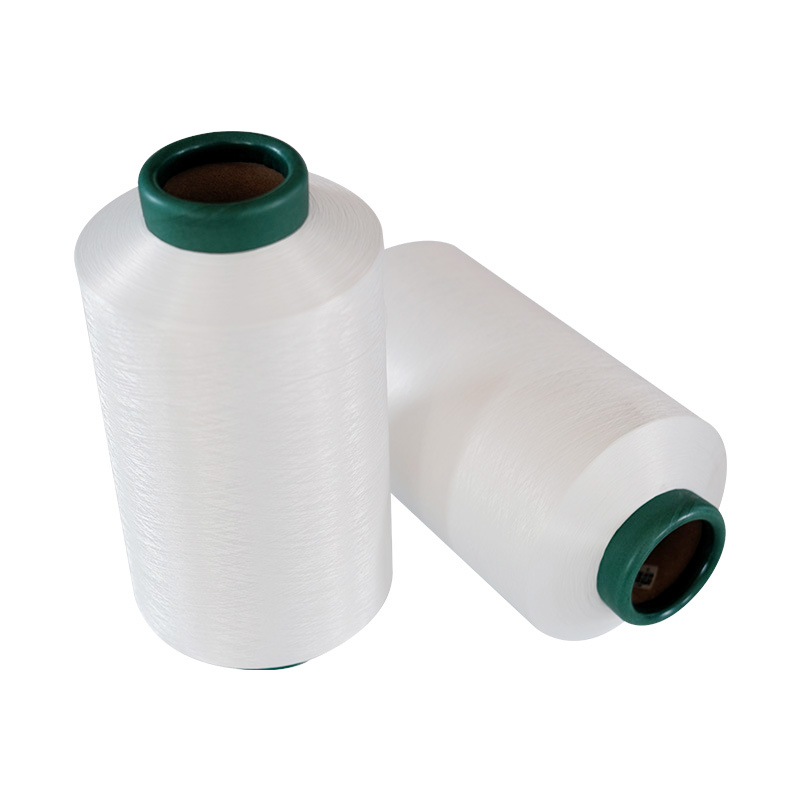
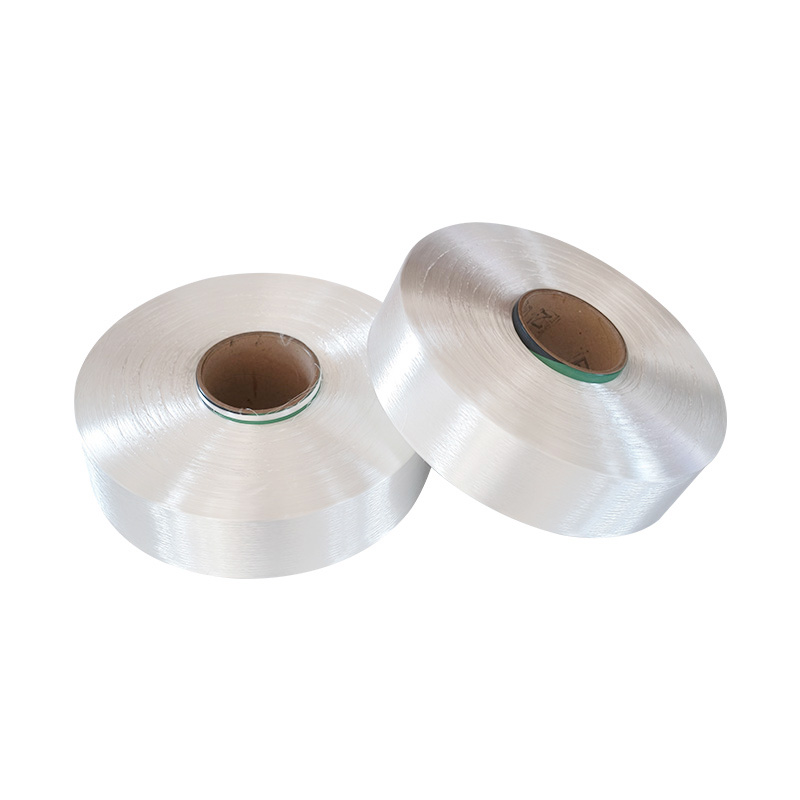
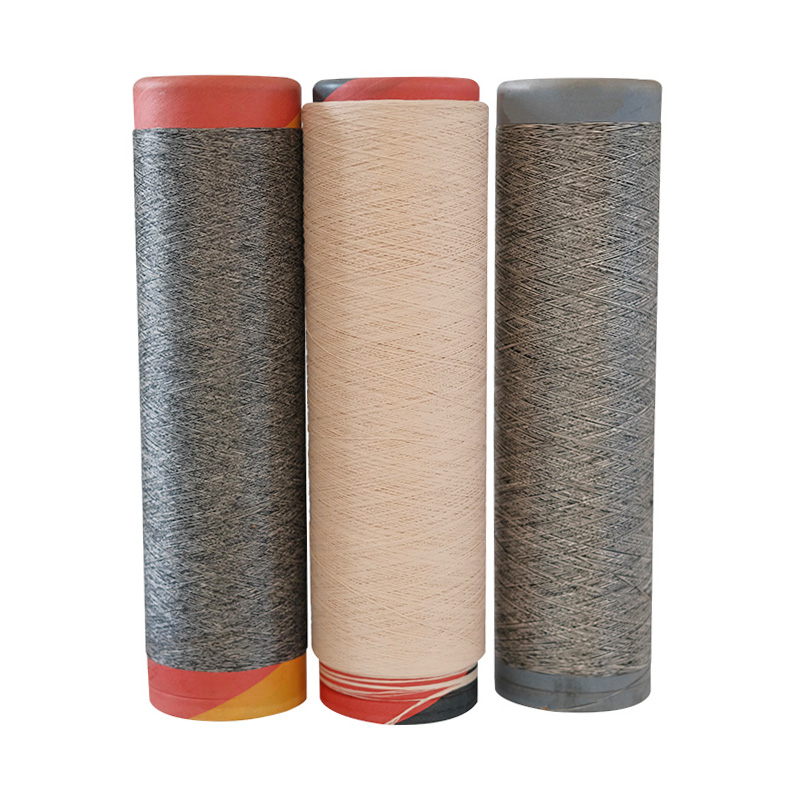
Textile manufacturing has moved well beyond single-fiber construction. Engineers and product developers increasingly rely on composite differentiated yarn to meet demands that a single material cannot satisfy alone. By combining two or more fiber types or structural components, this yarn category delivers a blend of strength, elasticity, thermal stability, and surface characteristics tailored to specific end uses.
Unlike standard yarns produced from one polymer source, composite yarn structures are engineered at the filament level. This allows manufacturers to control cross-sectional shape, blending ratio, and fiber orientation, resulting in materials that perform reliably under mechanical stress, environmental exposure, or repeated use cycles.
What Is Composite Differentiated Yarn?
Composite differentiated yarn refers to filament yarn constructed from two or more distinct polymer components or fiber types, combined during or after extrusion to create a single yarn strand with multiple functional properties. The term "differentiated" indicates that the yarn is engineered to diverge from standard, undifferentiated filament yarn through modified cross-sections, blended compositions, or layered structures.
In practical terms, this yarn type is designed so that each component contributes a specific advantage, such as tensile strength from one fiber and flexibility or moisture resistance from another, resulting in a strand that outperforms single-component alternatives in targeted applications.
Core Structural Categories
- Sheath-core composite structures, where one polymer forms an outer layer and another forms the inner core
- Side-by-side composite structures, which combine two polymers along the length of the filament for controlled crimp or bulk
- Blended composite structures, where fibers are mixed at the drafting stage before spinning
- Coated or laminated composite yarns, where a functional layer is applied to a base filament
What Materials Are Used in Composite Yarn Production?
The material selection process for composite yarn depends heavily on the intended application, required durability, and processing method. Polyester remains one of the most widely used base polymers due to its balance of cost, strength, and dimensional stability, giving rise to polyester composite yarn as a dominant category within this field.
| Material Component | Primary Contribution | Typical Use Case |
|---|---|---|
| Polyester filament | Strength, dimensional stability, low moisture absorption | Technical fabrics, outdoor textiles |
| Nylon filament | Abrasion resistance, elasticity | Industrial webbing, sportswear |
| Elastane or spandex core | Stretch recovery | Activewear, compression fabrics |
| Metallic or conductive fiber | Static dissipation, functional signaling | Protective clothing, smart textiles |
| Recycled polymer blends | Sustainability, reduced material footprint | Eco-conscious apparel lines |
The combination of these materials at the filament stage allows manufacturers to fine-tune properties such as tensile strength, elongation percentage, and surface friction without requiring separate post-processing steps.
How Is Composite Differentiated Yarn Manufactured?
The manufacturing process typically follows a sequence of extrusion, drawing, and texturizing stages. Each stage influences the final performance characteristics of the yarn.
Key Processing Considerations
- Compatibility between the two polymer melting points to avoid delamination
- Draw ratio control to achieve target tensile strength without excessive brittleness
- Texturizing parameters that determine bulk, softness, and surface texture
- Quality inspection for consistent denier and cross-sectional uniformity
Composite Yarn vs Conventional Yarn: What Is the Difference?
Conventional yarn is typically produced from a single polymer type with uniform properties throughout the strand. Composite yarn, by contrast, is engineered to combine multiple functions in one continuous filament. The table below outlines the primary distinctions.
| Attribute | Conventional Yarn | Composite Differentiated Yarn |
|---|---|---|
| Composition | Single polymer | Two or more polymers or fiber types |
| Property Range | Fixed, limited to base fiber | Tunable across multiple performance targets |
| Cross-Section Design | Standard round or basic shape | Engineered sheath-core, side-by-side, or profiled shapes |
| Application Flexibility | General textile use | Suited to technical and specialty applications |
| Production Complexity | Lower | Higher, requires precise process control |
This structural distinction explains why composite yarn is favored in applications where a single fiber cannot deliver the full range of required properties, such as combined stretch and abrasion resistance.
What Are the Benefits of Polyester Composite Yarn?
Enhanced Tensile Strength
Combining polyester with reinforcing fibers increases load-bearing capacity, making the yarn suitable for applications subject to repeated tension.
Improved Dimensional Stability
Polyester's low moisture absorption helps composite structures resist shrinkage and stretching under varying humidity conditions.
Weather and UV Resistance
Composite yarns formulated with stabilized polyester components maintain color and strength retention when exposed to prolonged outdoor conditions.
Consistent Surface Finish
Controlled extrusion produces uniform filament diameter, supporting consistent dyeing and finishing results across production batches.
Where Is Composite Differentiated Yarn Applied?
The versatility of composite yarn structures supports a wide range of industries, from apparel to industrial and outdoor products.
Technical and Industrial Textiles
Industrial webbing, safety harnesses, and reinforced fabrics rely on composite yarn for its combination of strength and flexibility under repeated stress cycles.
Composite Fencing Applications
Composite fencing materials benefit from composite yarn reinforcement within woven or knitted fencing fabrics, where resistance to weathering, tension, and repeated impact is essential. The layered fiber structure helps fencing textiles maintain shape and strength over extended outdoor exposure without significant degradation.
Apparel and Sportswear
Functional yarn blends incorporating stretch fibers with polyester filament yarn support activewear that requires both recovery and moisture management.
Home Textiles and Upholstery
Specialty yarn combinations improve abrasion resistance and colorfastness in upholstery fabrics subject to daily wear.
How to Choose the Right Composite Yarn for Textile Production?
Selecting an appropriate composite yarn requires evaluating several technical and application-specific factors before committing to a production run.
| Selection Factor | Consideration |
|---|---|
| End-Use Environment | Indoor apparel versus outdoor exposure affects UV and moisture resistance needs |
| Mechanical Load | Determines required tensile strength and elongation properties |
| Processing Method | Weaving, knitting, or braiding compatibility with yarn structure |
| Finishing Requirements | Dyeing uniformity and surface treatment compatibility |
| Sustainability Goals | Availability of recycled or lower-impact polymer options |
Practical Steps for Evaluation
- Define the primary mechanical and environmental demands of the finished product
- Request denier, tenacity, and elongation data for candidate yarn structures
- Test small-batch samples under conditions that replicate final use
- Confirm compatibility with existing weaving or knitting equipment
- Evaluate consistency across multiple production lots before scaling up
Frequently Asked Questions
Q1: What is composite differentiated yarn?
Composite differentiated yarn is a filament yarn engineered from two or more polymer components or fiber types, combined through extrusion or blending to achieve a specific set of mechanical and functional properties not available in single-component yarns.
Q2: What materials are used?
Common materials include polyester, nylon, elastane, and in some cases metallic or conductive fibers, selected based on the desired balance of strength, elasticity, and environmental resistance.
Q3: How to choose the right composite yarn for textile production?
Selection should be based on the end-use environment, required mechanical load, compatibility with existing processing equipment, and finishing requirements such as dyeing and surface treatment.
Q4: Composite yarn vs conventional yarn: what is the difference?
Conventional yarn is made from a single polymer with fixed properties, while composite yarn combines multiple materials or structures to deliver a tunable range of performance characteristics.
Q5: What are the benefits of polyester composite yarn?
Benefits include enhanced tensile strength, improved dimensional stability, better resistance to weathering and UV exposure, and consistent surface finish across production batches.