+86-0571-82795522

 LANGUAGE
  English
Precision Engineering Defines Modern FDY Flat Yarn Production
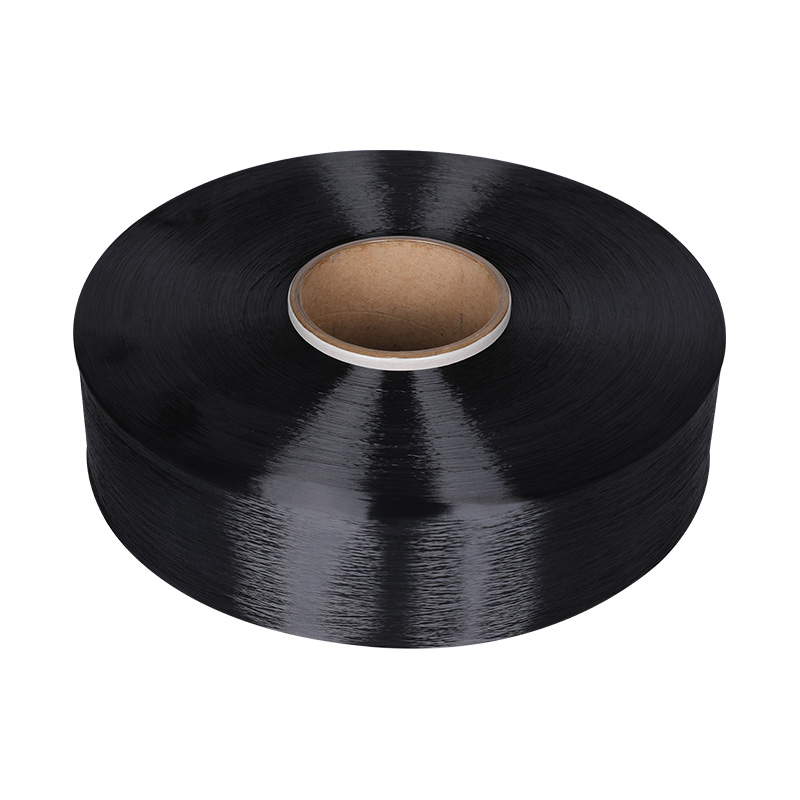
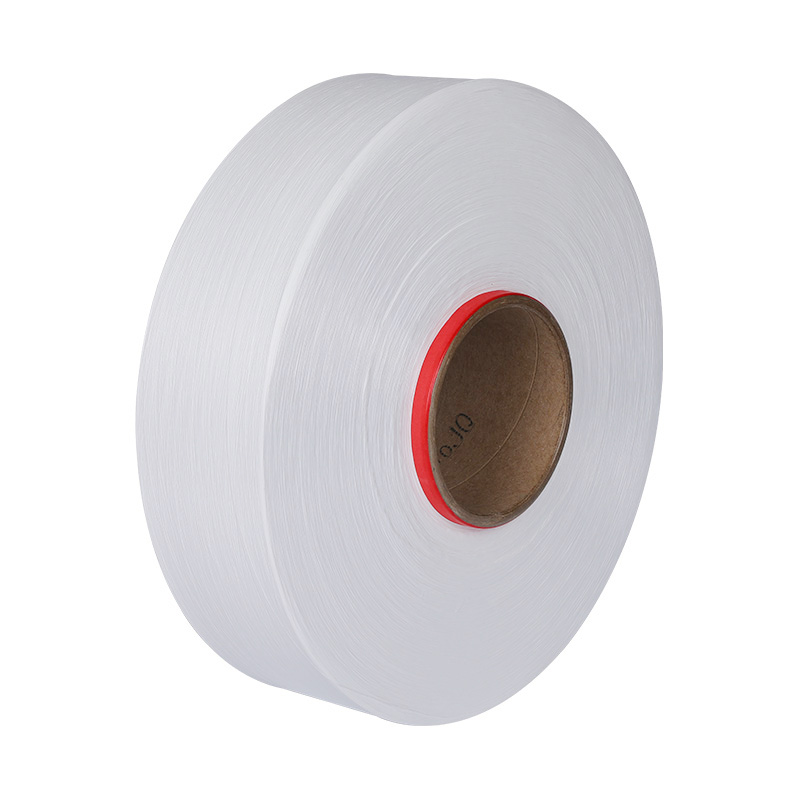
The production of the FDY flat yarn series has evolved from a standard melt-spinning process into a discipline of precision engineering. The core conclusion from recent industry advancements is that innovations in spinneret design, controlled cooling systems, and integrated processing workflows have directly enhanced yarn uniformity and reduced production defects by over 15 percent. This is not merely an incremental improvement but a fundamental shift towards achieving superior dimensional stability and a distinct flat cross-section, which are critical for high-end textile applications.
Critical Process Parameters for Flat FDY Production
1. Spinneret Selection and Melt Flow Dynamics
The foundation of a high-quality flat FDY yarn lies in the spinneret. The design of the spinneret capillary and the cross-sectional shape directly determine the final flat profile. For instance, modern spinneret designs are engineered to achieve a one-shaped cross-section with arc transitions at both ends, which reduces the extrusion swell ratio to a controllable range of 1.22 to 1.34. This precision ensures the yarn maintains its shape-retaining effect without compromising the structural integrity of the polyester fibers.
2. The Role of Controlled Quenching and Cooling
After extrusion, the molten polymer must be solidified rapidly and uniformly. Controlled cooling systems are now recognized as a critical step in optimizing the molecular structure of flat FDY. By precisely managing the cooling rates and temperatures, manufacturers can lock in the desired crystallinity and molecular bonding. This results in enhanced dimensional stability, resistance to shrinkage, and long-lasting durability, which are essential for preventing deformation in the final fabric.
3. Advanced Drawing and Heat-Setting Techniques
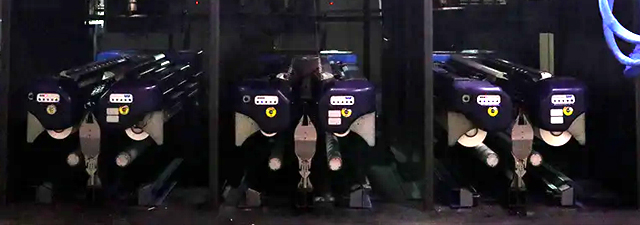
The drawing and heat-setting stages are where the mechanical properties of the FDY flat yarn are finalized. Modern production utilizes multi-roller systems (often five or more) to apply precise tension and heat. This process not only achieves the target tenacity and elongation but also ensures the yarn's structural integrity. Data from production runs show that optimized drawing processes can yield a breaking strength of up to 4.85 cN/dtex and an elongation at break of approximately 27 percent, providing a balance of strength and flexibility for various weaving and knitting applications.
4. Spin Finish Application and Winding Parameters
The final stages of production involve applying spin finishes and precise winding. Innovative spin finishes, such as those used for FDY, are formulated to ensure very uniform distribution on the yarn, low smoke formation, and excellent performance in subsequent processes like weaving. Proper winding parameters are crucial to prevent defects like overlapping yarn or uneven inner and outer layer quality, ensuring a consistent product that meets market demands.
Key Technical Innovations Driving the FDY Flat Yarn Series
1. Integrated Processing Workflows (One-Step Method)
The FDY one-step method is a significant innovation that sets this yarn apart from POY or DTY. By integrating spinning, drawing, and winding into a single, continuous process, the FDY flat yarn achieves a high level of molecular orientation and crystallinity. This one-step high-speed production process results in a smooth, strong, and lustrous yarn that requires no further processing, making it a direct-use product for manufacturers.
2. The Introduction of Additives for Enhanced Performance
To overcome the challenges of melt spinning, such as excessive extrusion swell, innovative methods have been developed. The addition of saturated fatty acid metal salts to the spinning melt is a prime example. These additives act as both lubricants and nucleating agents. They effectively reduce the post-filtration pressure during spinning (to between 84 and 126 kg/cm²) and promote faster crystallization, significantly improving the fiber's shape-retaining effect and product quality.
3. Digital Twins and High-Speed Winding Solutions
The industry is moving towards smarter manufacturing through the use of digital twins and automated systems. Innovations in sensor technologies for temperature and vibration monitoring are extending equipment longevity and enabling predictive maintenance. Furthermore, high-speed winding solutions are optimizing the final package formation, ensuring that the high-quality yarn produced is maintained through the final stages of production without defects.
Comparative Analysis of FDY Flat Yarn Processing Variables
The table below summarizes key production variables and their typical values in the production of high-quality FDY flat yarns, based on recent technical publications.
| Production Parameter | Typical Range / Value | Impact on Yarn Quality |
|---|---|---|
| Die-Swell Ratio (Extrusion Swell) | 1.22 - 1.34 | Ensures shape retention and a distinct flat cross-section. |
| Spinning Melt Pressure | 84 - 126 kg/cm² | Maintains stable filtration and extrusion, reducing defects. |
| Intrinsic Viscosity of Polymer | 0.650 ± 0.002 dL/g | Optimizes melt flow and final fiber tenacity. |
| Breaking Strength (for 83 dtex/72f) | Up to 4.85 cN/dtex | Provides durability for demanding textile applications. |
| Oil Content | ~1.25% | Ensures good lubrication for subsequent processing. |
Process Flowchart: From Polymer to Flat FDY Yarn
Frequently Asked Questions (FAQ)
- What is the primary advantage of FDY flat yarn over other filament yarns?
FDY flat yarn is a fully drawn, finished product that is ready for direct use in weaving and knitting. Its one-step production process imparts high strength, low elongation, and excellent dimensional stability, making it ideal for applications requiring a smooth, lustrous, and durable fabric. - How is the flat cross-section of FDY yarn achieved?
The flat cross-section is primarily achieved through the design of the spinneret. The capillary shape is engineered to produce a one-shaped or flattened cross-section. Furthermore, process controls such as reducing the extrusion swell ratio are critical to maintaining this shape during solidification. - What measures are taken to prevent defects like overlapping yarn during production?
Modern production lines utilize advanced winding heads and precise tension controls to ensure even winding. Additionally, incorporating additives like saturated fatty acid metal salts into the melt helps reduce extrusion swell, preventing defects in the yarn's initial formation that could lead to overlapping later on.