+86-0571-82795522

 LANGUAGE
  English
Introduction: Understanding the Role of FDY Full Dull Yarn
In the modern textile industry, yarn selection plays a decisive role in determining fabric performance, aesthetic value, and production efficiency. Among the wide range of synthetic filament yarns available today, FDY full dull yarn has gained sustained attention in both knitting and weaving applications. Its balanced optical appearance, stable physical properties, and adaptability to multiple fabric structures make it a preferred material for manufacturers seeking consistency and versatility.
This article explores the advantages of FDY full dull yarn from an industry perspective, focusing on how it supports knitting and weaving processes, enhances fabric quality, and aligns with current market expectations. Special attention is given to the FDY full dull yarn series, examining its structural characteristics, processing behavior, and end-use performance without referencing specific brands or competitors.
What Is FDY Full Dull Yarn?
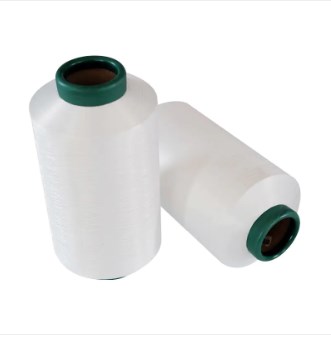
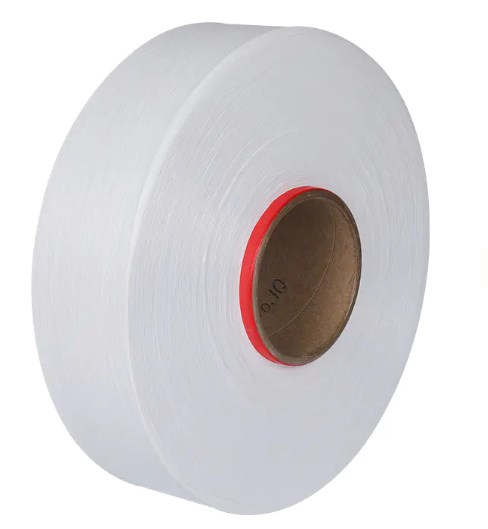
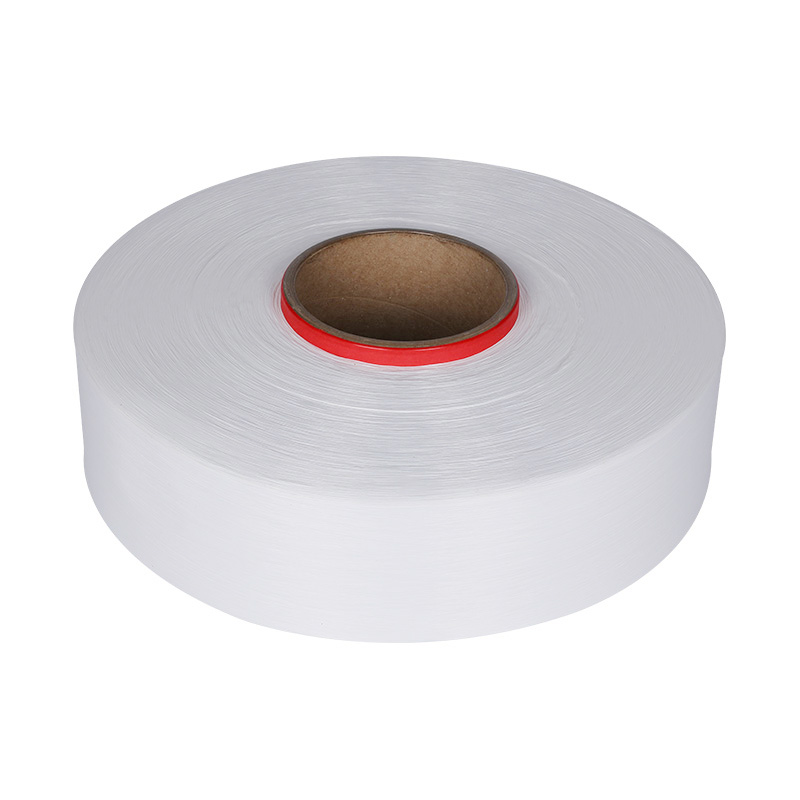
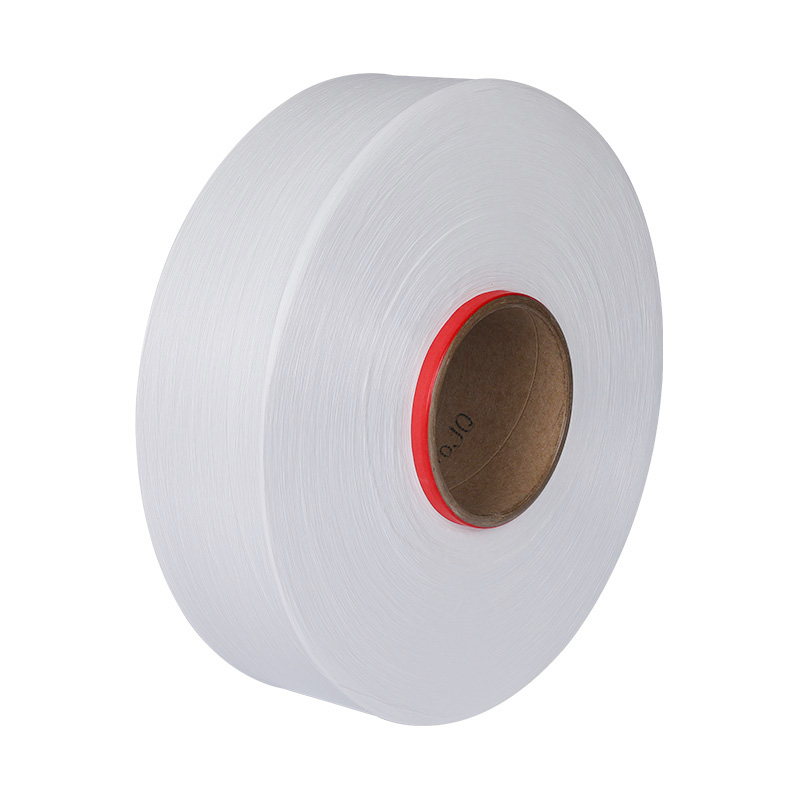
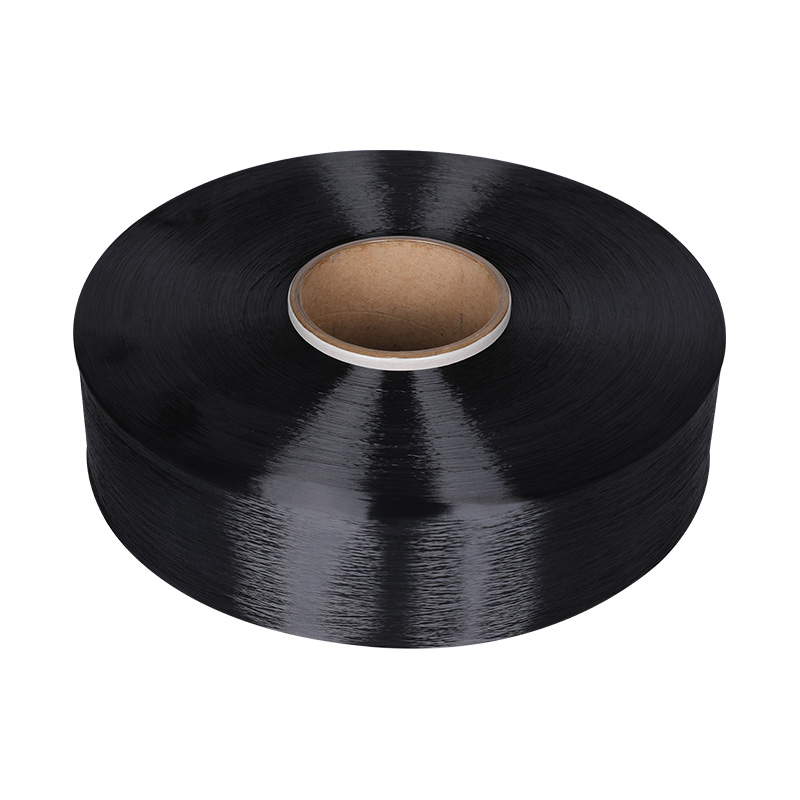
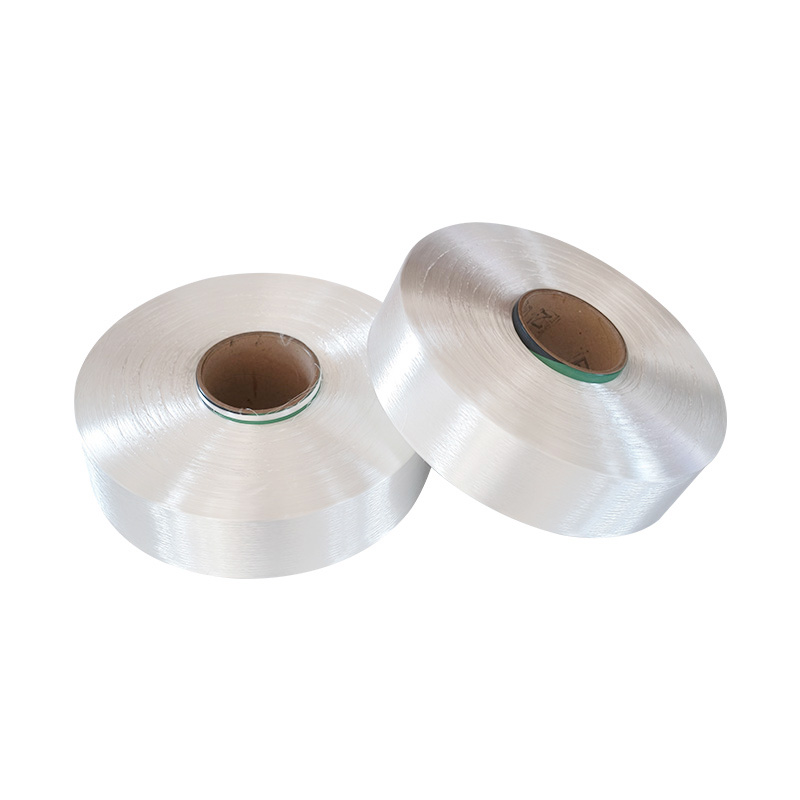
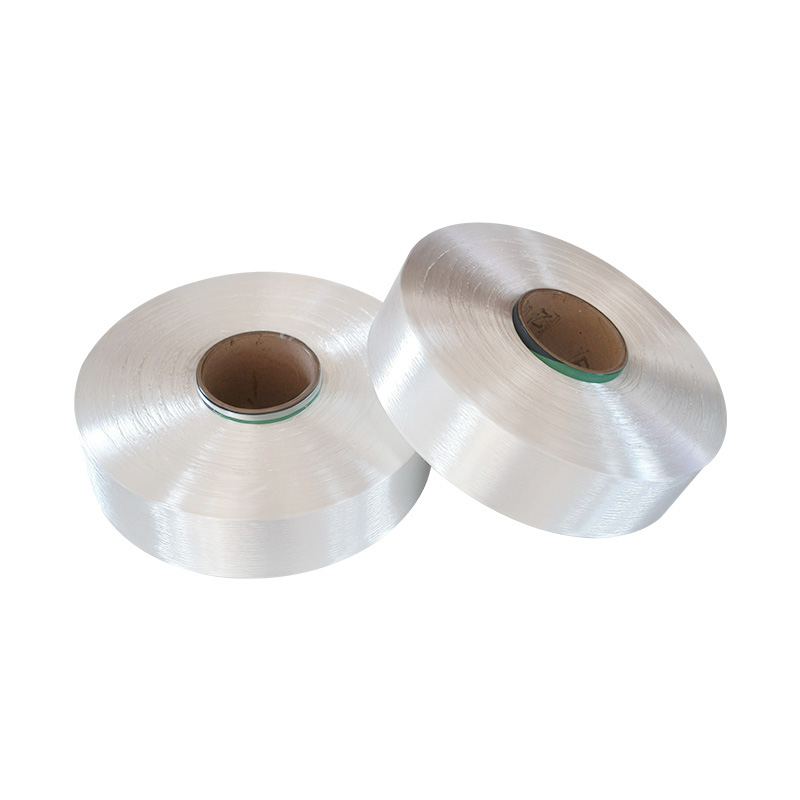
FDY, or Fully Drawn Yarn, is a type of filament yarn produced through a continuous spinning and drawing process. Unlike partially oriented yarns, FDY is fully stretched during production, resulting in high dimensional stability and low elongation during downstream processing.
The term “full dull” refers to the yarn’s optical modification. By incorporating a controlled amount of delustering agent during polymer preparation, the yarn achieves a soft, matte surface rather than a bright or semi-dull sheen. This visual characteristic is particularly valuable in applications where subdued elegance, low reflectivity, or natural-looking textures are desired.
The FDY full dull yarn series combines these structural and optical properties into a product range suitable for diverse textile applications.
Structural Stability and Process Consistency
One of the most notable advantages of FDY full dull yarn lies in its structural stability. Because the yarn is fully drawn during manufacturing, it demonstrates minimal shrinkage and excellent dimensional control during knitting and weaving.
For knitting operations, this stability translates into smoother loop formation and reduced risk of uneven stitch density. In weaving, it supports consistent warp tension and uniform weft insertion, contributing to fabric regularity across large production runs.
Key structural benefits include:
- Low residual elongation
- Uniform filament distribution
- Stable linear density
- Reduced deformation during processing
These characteristics allow manufacturers to maintain steady machine settings, minimizing downtime and quality fluctuations.
Enhanced Aesthetic Performance in Finished Fabrics
The full dull effect plays a critical role in fabric appearance. Unlike high-luster yarns that reflect light strongly, FDY full dull yarn diffuses light softly across the fabric surface. This creates a refined, understated visual effect that aligns with contemporary design preferences in apparel, interior textiles, and technical fabrics.
In knitted fabrics, the matte finish reduces visual noise caused by loop reflections, resulting in smoother surface perception. In woven structures, it helps conceal minor construction irregularities, enhancing overall fabric uniformity.
Common aesthetic advantages include:
- Soft and natural visual tone
- Reduced glare under artificial lighting
- Improved color depth and consistency
- Enhanced texture perception
These features make the FDY full dull yarn series especially suitable for products emphasizing comfort, elegance, and modern minimalism.
Performance Advantages in Knitting Applications
Knitting processes place unique demands on yarn flexibility, friction behavior, and tensile balance. FDY full dull yarn meets these requirements effectively.
Because of its controlled surface friction and filament cohesion, the yarn runs smoothly through needles and guides. This reduces yarn breakage and needle wear, supporting higher operational efficiency. Additionally, the matte surface contributes to a more uniform dye uptake, which is essential for consistent coloration in knitted fabrics.
Advantages specific to knitting include:
- Stable loop formation
- Reduced yarn slippage
- Improved stitch definition
- Lower defect rates in fine-gauge fabrics
As a result, FDY full dull yarn is widely used in circular knitting, warp knitting, and flat knitting processes where fabric consistency is critical.
Performance Advantages in Weaving Applications
In weaving, yarns must withstand continuous tension, abrasion, and repeated motion. FDY full dull yarn’s fully drawn structure provides the necessary tensile strength and fatigue resistance for both warp and weft applications.
The matte surface also reduces light reflection in woven fabrics, which is particularly beneficial for dense constructions or functional textiles where appearance and performance must coexist.
Key weaving-related benefits include:
- Stable warp tension control
- Reduced filament fuzz during abrasion
- Consistent pick density
- Improved fabric dimensional stability
These attributes support efficient weaving operations and contribute to predictable fabric outcomes across various loom types.
Comparative Functional Characteristics of FDY Full Dull Yarn
| Functional Aspect | Contribution to Knitting | Contribution to Weaving |
|---|---|---|
| Dimensional stability | Uniform loop size | Consistent warp tension |
| Matte appearance | Smooth surface perception | Reduced visual irregularities |
| Filament cohesion | Lower yarn breakage | Reduced abrasion fuzz |
| Dye affinity | Even color absorption | Uniform shade consistency |
| Process adaptability | Suitable for fine gauges | Compatible with dense fabrics |
This table illustrates how the same yarn properties deliver distinct yet complementary benefits across knitting and weaving processes.
Comfort and Wearability in End Products
Beyond manufacturing efficiency, FDY full dull yarn contributes significantly to the comfort of finished textiles. The yarn’s filament smoothness and balanced stiffness create fabrics that feel soft against the skin while maintaining structural integrity.
The reduced surface reflectivity also psychologically enhances comfort, as matte fabrics are often perceived as warmer and more natural. This makes the FDY full dull yarn series particularly suitable for textiles designed for prolonged contact with the body.
Comfort-related benefits include:
- Soft hand feel
- Reduced static perception
- Balanced drape behavior
- Improved tactile uniformity
These qualities align with increasing consumer demand for textiles that combine aesthetics with functional comfort.
Dyeing and Finishing Compatibility
FDY full dull yarn demonstrates strong compatibility with standard dyeing and finishing processes. The even distribution of delustering agents ensures uniform dye penetration, reducing risks of streaking or shade variation.
In finishing stages, the yarn responds well to mechanical and chemical treatments, retaining its matte appearance without excessive fiber damage. This stability allows manufacturers to apply a wide range of finishing techniques while maintaining consistent fabric quality.
Typical processing advantages include:
- Predictable dye behavior
- Stable color retention
- Compatibility with functional finishes
- Reduced reprocessing rates
Sustainability and Production Efficiency Considerations
While sustainability discussions often focus on raw materials, yarn process efficiency also plays a crucial role. FDY full dull yarn supports resource-efficient production by reducing waste, minimizing rework, and improving first-pass yield.
Its stable performance lowers the frequency of machine stops and defective output, indirectly contributing to reduced energy consumption and material loss during textile manufacturing.
From an industry perspective, these efficiency gains support more responsible production practices without compromising product quality.
Versatility Across Application Segments
The adaptability of the FDY full dull yarn series allows it to serve multiple textile segments without requiring significant process adjustments. From lightweight knitted fabrics to structured woven textiles, the yarn maintains consistent behavior.
This versatility simplifies inventory management and production planning, enabling manufacturers to respond more flexibly to changing market demands.
Conclusion
FDY full dull yarn offers a comprehensive set of advantages in both knitting and weaving applications. Its structural stability, matte aesthetic, processing reliability, and comfort-oriented performance make it a valuable component in modern textile manufacturing.
By supporting efficient production while delivering refined fabric quality, the FDY full dull yarn series meets the dual demands of manufacturers and end users. Its balanced characteristics ensure that it remains a practical and forward-looking solution within the synthetic filament yarn landscape.
FAQ
Q1: What distinguishes FDY full dull yarn from bright FDY yarn?
FDY full dull yarn features a matte surface created by delustering agents, resulting in lower reflectivity and a softer visual appearance compared to bright FDY yarn.
Q2: Is FDY full dull yarn suitable for both knitting and weaving?
Yes, its fully drawn structure and stable performance make it suitable for a wide range of knitting and weaving processes.
Q3: How does the full dull effect influence fabric appearance?
The full dull effect diffuses light evenly, reducing glare and enhancing color depth and surface uniformity in finished fabrics.
Q4: Does FDY full dull yarn affect dyeing consistency?
It generally improves dyeing consistency due to uniform filament structure and even delustering agent distribution.
Q5: What types of fabrics commonly use the FDY full dull yarn series?
It is commonly used in apparel fabrics, interior textiles, and functional woven or knitted materials where balanced aesthetics and performance are required.