+86-0571-82795522

 LANGUAGE
  English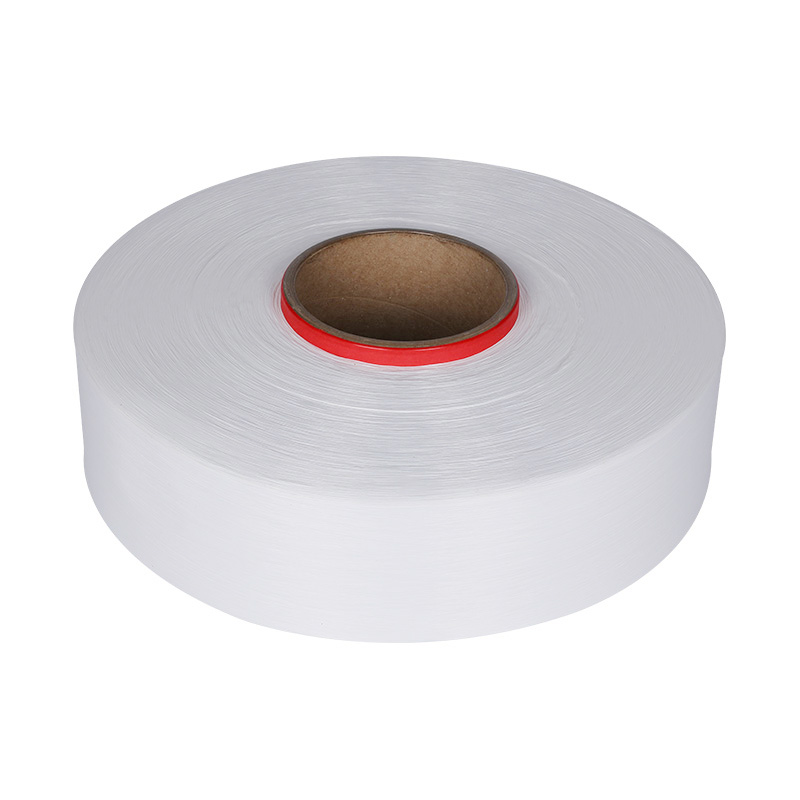
Introduction: The Rising Demand for High-Performance Fabrics
The global textile industry is undergoing a profound transformation driven by functional requirements, sustainability expectations, and advanced manufacturing technologies. High-performance fabrics are no longer limited to specialized applications; they have become essential across apparel, home textiles, industrial materials, and technical textiles. Within this context, the FDY flat yarn series has emerged as a critical material foundation for fabric developers seeking consistent quality, enhanced performance, and production efficiency.
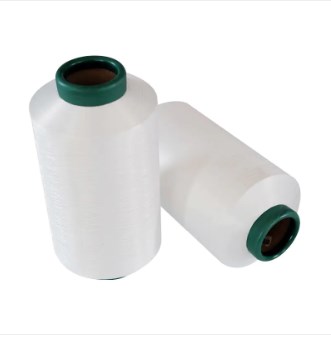
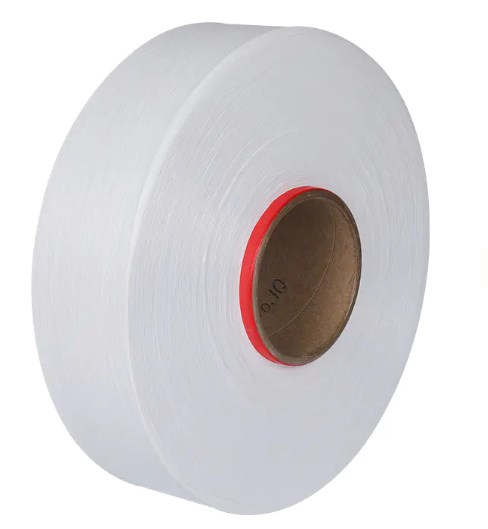
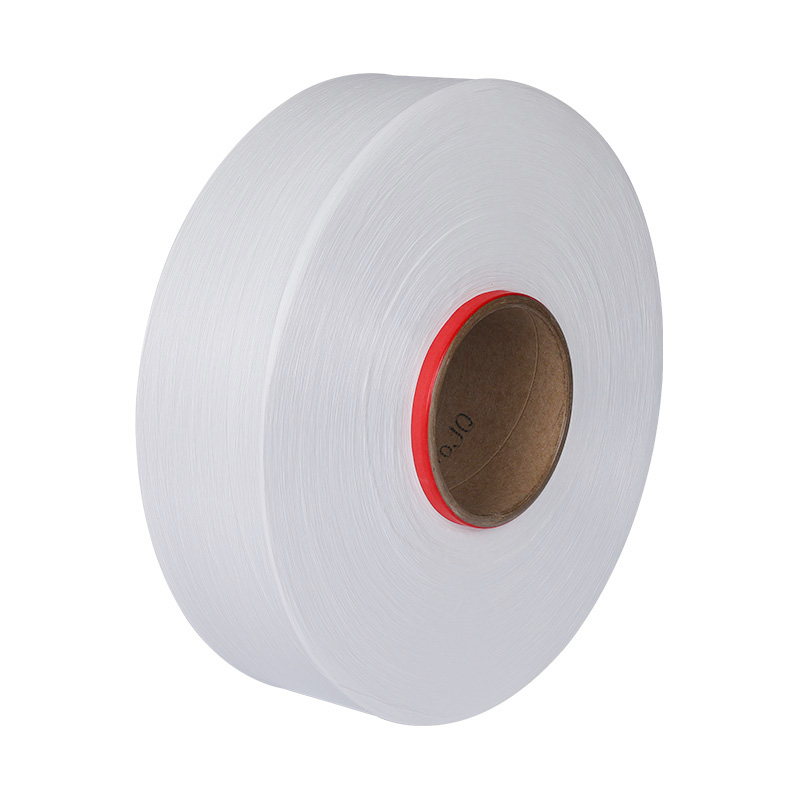
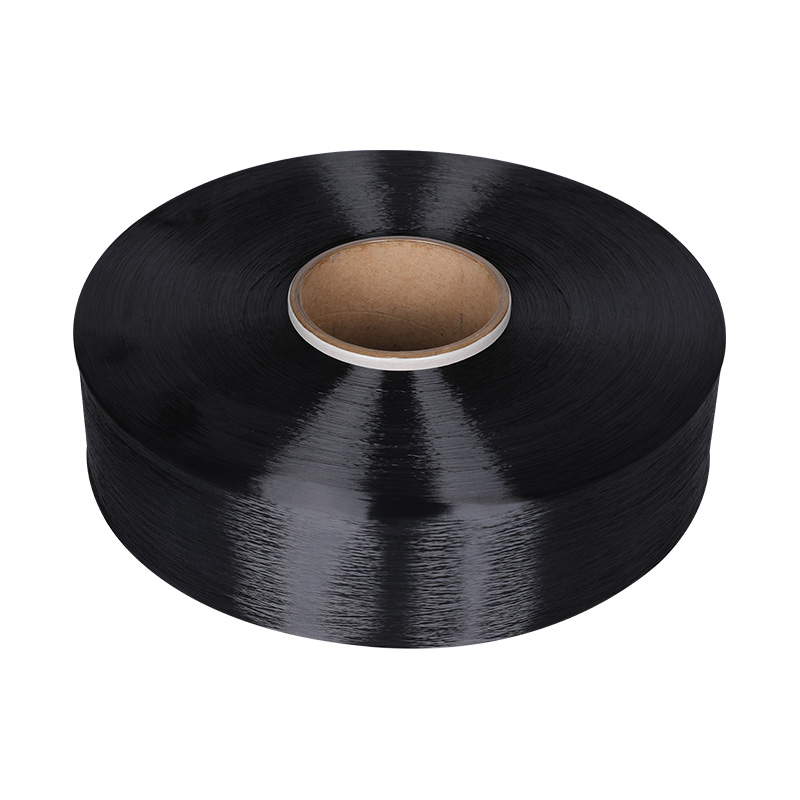
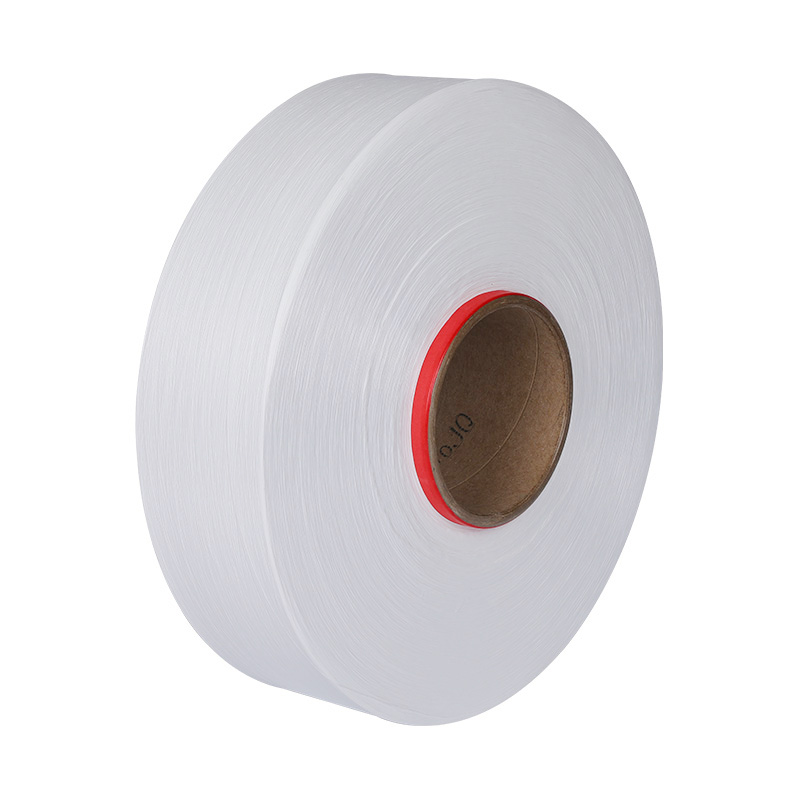
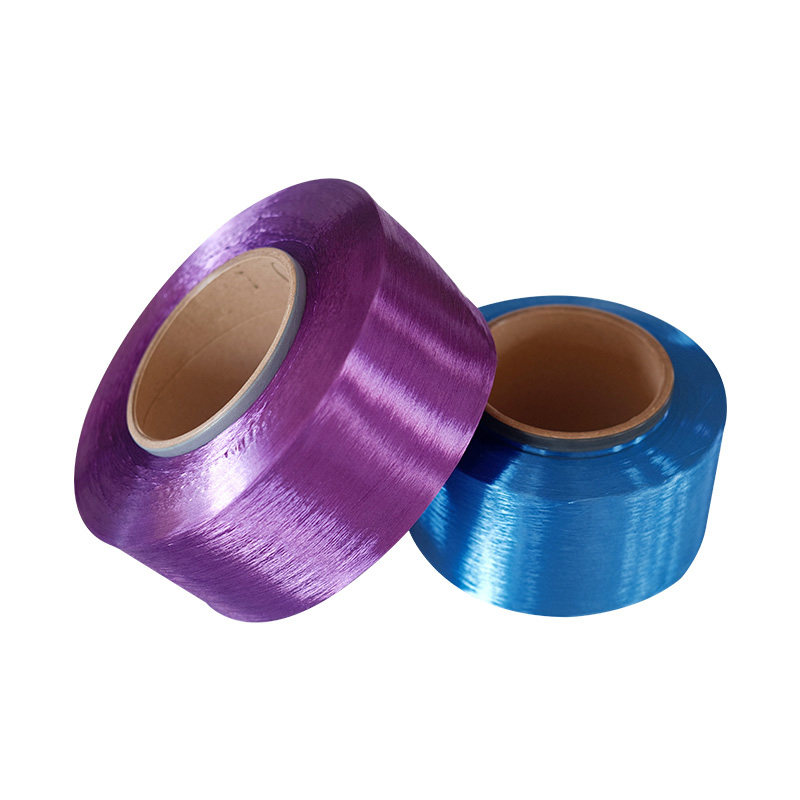
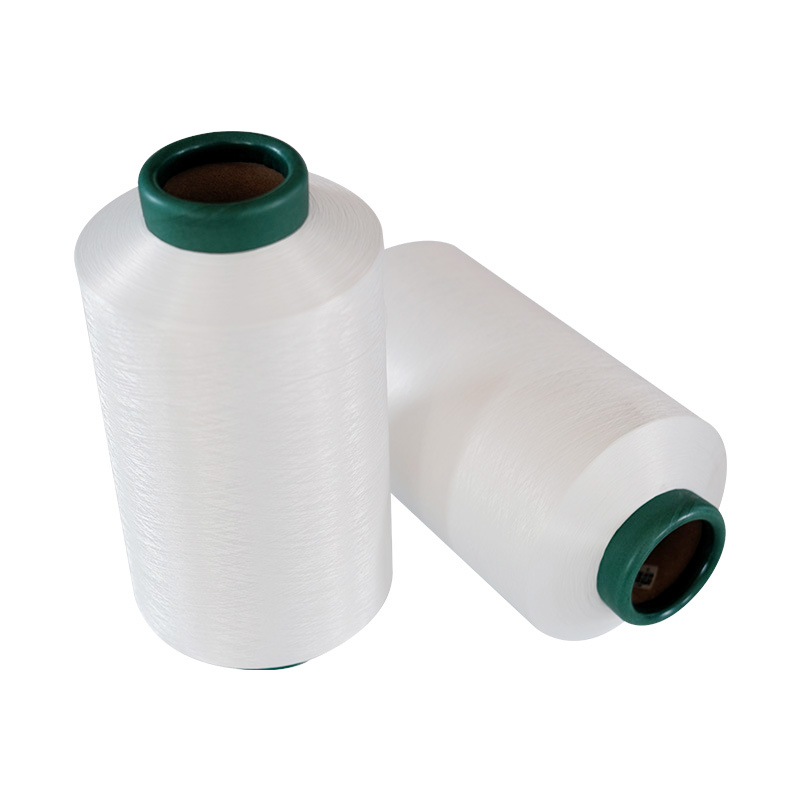
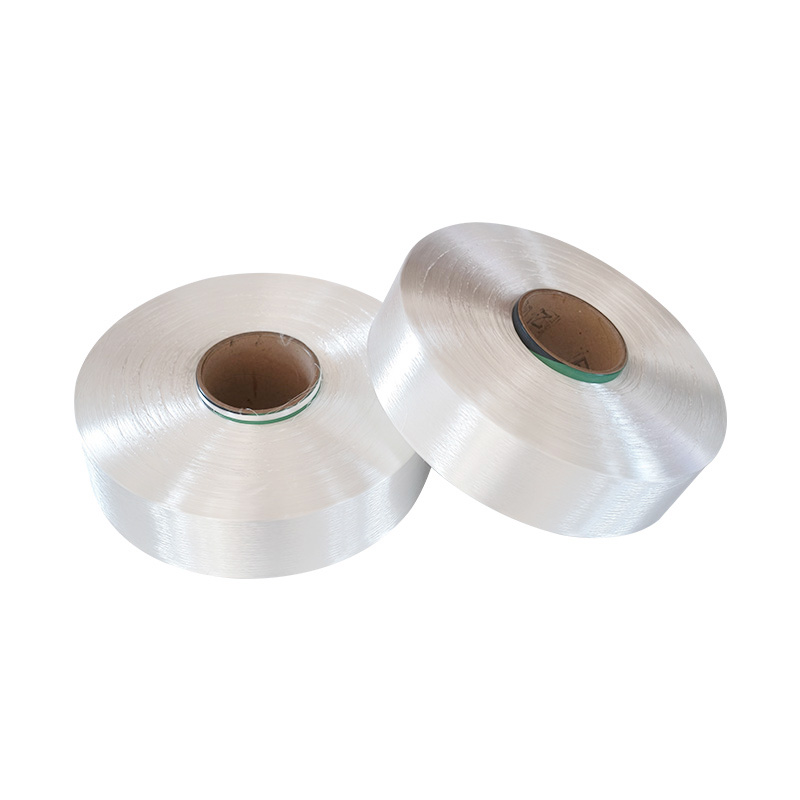
FDY, or Fully Drawn Yarn, is known for its stable molecular orientation and ready-to-use characteristics. When combined with a flat yarn structure, the resulting FDY flat yarn series provides unique advantages in terms of surface uniformity, tensile strength, dimensional stability, and downstream processing compatibility.
Understanding FDY Flat Yarn Series: Material Fundamentals
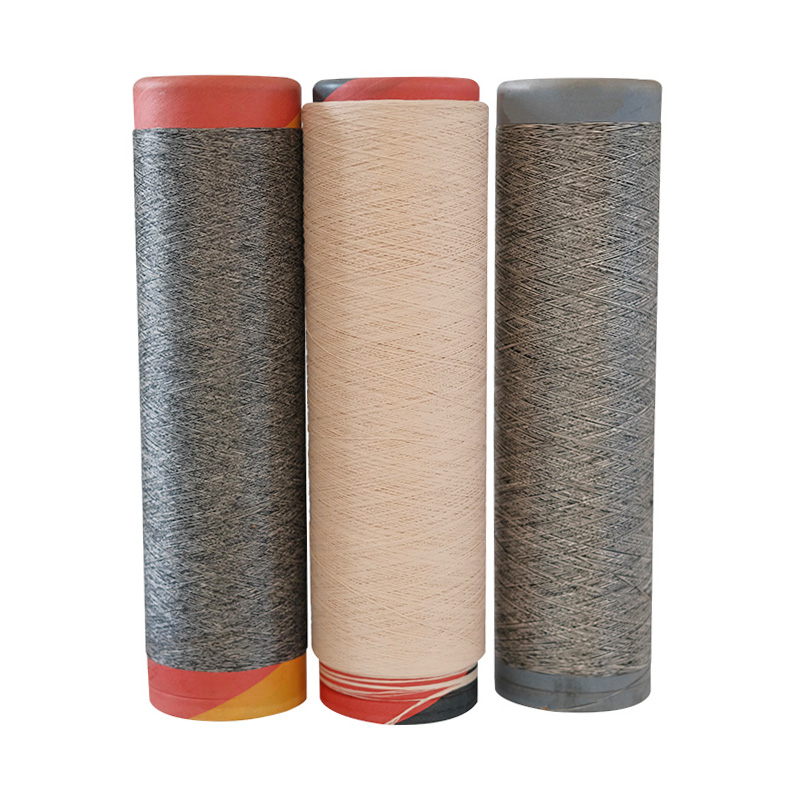
To create high-performance fabrics, it is essential to begin with a clear understanding of the yarn itself. The FDY flat yarn series refers to fully drawn synthetic filament yarns with a flat or low-profile cross-sectional geometry. Unlike textured or bulked yarns, flat yarns maintain a smooth surface and controlled filament alignment.
Key material characteristics include:
- High molecular orientation achieved during spinning and drawing
- Low shrinkage and excellent dimensional stability
- Uniform filament distribution across the yarn width
- Smooth surface suitable for coating, laminating, or printing
These properties make the FDY flat yarn series particularly suitable for applications where structural integrity, surface consistency, and predictable performance are required.
Structural Advantages of Flat Yarn Geometry
The flat geometry of FDY flat yarn series plays a decisive role in fabric performance. Compared to round yarns, flat yarns offer a larger surface contact area, which influences fabric behavior at both the microscopic and macroscopic levels.
From a fabric engineering perspective, flat yarn geometry contributes to:
- Improved fabric coverage with fewer yarns per unit area
- Enhanced inter-yarn cohesion in woven and knitted structures
- Reduced fabric thickness without compromising strength
- More uniform stress distribution under tension
These structural advantages allow fabric designers to balance lightweight construction with mechanical performance, a key requirement in modern functional textiles.
Key Performance Attributes Enabled by FDY Flat Yarn Series
High-performance fabrics must meet multiple functional criteria simultaneously. The FDY flat yarn series supports this multidimensional performance through its intrinsic material properties.
Mechanical Strength and Stability
The fully drawn nature of FDY flat yarn ensures high tensile strength and modulus. This enables fabrics to withstand repeated stress, abrasion, and deformation without structural failure. Low elongation variability further enhances fabric stability during use and washing cycles.
Surface Quality and Aesthetic Control
The smooth and flat surface of FDY flat yarn series allows precise control over fabric appearance. Fabrics exhibit clean lines, consistent luster, and reduced fuzziness. This is especially important in technical fabrics where surface defects can compromise performance.
Process Consistency
Because FDY flat yarn is supplied in a fully oriented state, it eliminates the need for additional drawing steps during fabric formation. This reduces process variability and supports stable large-scale production.
Fabric Construction Strategies Using FDY Flat Yarn Series
Creating high-performance fabrics is not solely dependent on yarn selection; it also requires optimized fabric construction. The FDY flat yarn series adapts well to multiple fabric formation methods.
Woven Fabric Applications
In woven structures, FDY flat yarn series can be used in warp, weft, or both. Its low hairiness and uniform profile support high-speed weaving with reduced breakage rates.
Common woven fabric benefits include:
- Tight fabric construction with controlled porosity
- Enhanced tear resistance
- Dimensional stability during finishing processes
Knitted Fabric Applications
For knitting, the smoothness of FDY flat yarn series reduces friction during loop formation. This allows precise loop geometry and consistent stitch density.
Knitted fabrics benefit from:
- Improved elasticity control
- Reduced pilling tendency
- Enhanced surface uniformity
Functional Finishing Compatibility
High-performance fabrics often require additional functional finishes such as coating, laminating, or chemical treatments. The FDY flat yarn series offers excellent compatibility with these processes due to its smooth surface and controlled absorbency.
The flat yarn structure facilitates even application of finishes, minimizing defects such as streaking or uneven penetration. This is particularly valuable for fabrics requiring:
- Water resistance
- Windproof performance
- Dimensional reinforcement
- Surface adhesion layers
Product Property Overview of FDY Flat Yarn Series
The following table summarizes typical performance attributes associated with the FDY flat yarn series and their relevance to fabric performance.
| Property Category | Characteristic Description | Contribution to Fabric Performance |
|---|---|---|
| Molecular Orientation | Fully drawn, high alignment | Strength, stability, low shrinkage |
| Yarn Geometry | Flat cross-section | Improved coverage, smooth surface |
| Surface Quality | Low hairiness, uniform filaments | Enhanced aesthetics, reduced friction |
| Process Readiness | No additional drawing required | Production efficiency, consistency |
| Finish Compatibility | Even surface interaction | Reliable coating and treatment results |
Supporting Sustainability Through Material Efficiency
Sustainability has become an integral part of performance textile development. While high performance traditionally implied higher material input, the FDY flat yarn series supports more efficient fabric design.
By offering greater coverage and strength per unit weight, flat yarn structures allow fabric engineers to:
- Reduce overall material consumption
- Design lighter fabrics without sacrificing durability
- Minimize waste during cutting and finishing
Additionally, stable yarn behavior contributes to fewer production defects, reducing resource loss across the manufacturing chain.
Quality Control Considerations in Fabric Development
Maintaining consistent performance in finished fabrics requires rigorous quality control at each stage. When working with the FDY flat yarn series, attention should be paid to:
- Yarn tension uniformity during weaving or knitting
- Controlled fabric density to maximize flat yarn advantages
- Consistent finishing parameters to preserve yarn structure
By aligning yarn properties with process controls, manufacturers can achieve predictable fabric outcomes across different production batches.
Integrating FDY Flat Yarn Series into Product Development Pipelines
For fabric developers, integrating the FDY flat yarn series into existing product lines requires a systematic approach. This includes material testing, fabric prototyping, and performance validation under end-use conditions.
The predictable behavior of FDY flat yarn series simplifies this integration process, allowing faster development cycles and more reliable performance benchmarking.
Conclusion: Building Performance from the Yarn Level
High-performance fabrics are the result of deliberate material selection, thoughtful structural design, and controlled processing. The FDY flat yarn series provides a reliable foundation for this process by combining mechanical strength, surface uniformity, and production efficiency.
By understanding the unique advantages of flat yarn geometry and fully drawn molecular structure, fabric developers can unlock new possibilities in performance textile design. From structural stability to functional finishing compatibility, the FDY flat yarn series enables fabrics that meet modern demands for durability, precision, and efficiency.
FAQ
Q1: What makes FDY flat yarn series suitable for high-performance fabrics?
FDY flat yarn series offers high molecular orientation, stable dimensions, and a smooth flat surface, all of which contribute to strength, consistency, and processing reliability in high-performance fabrics.
Q2: Can FDY flat yarn series be used in both woven and knitted fabrics?
Yes, the FDY flat yarn series performs well in both woven and knitted structures, supporting uniform fabric formation and stable mechanical properties.
Q3: How does flat yarn geometry improve fabric performance?
Flat yarn geometry increases surface contact area, improves coverage, and distributes stress more evenly, allowing fabrics to be lightweight yet durable.
Q4: Is FDY flat yarn series compatible with functional finishes?
The smooth and uniform surface of FDY flat yarn series supports even application of coatings and treatments, making it suitable for functional fabric finishing.