+86-0571-82795522

 LANGUAGE
  English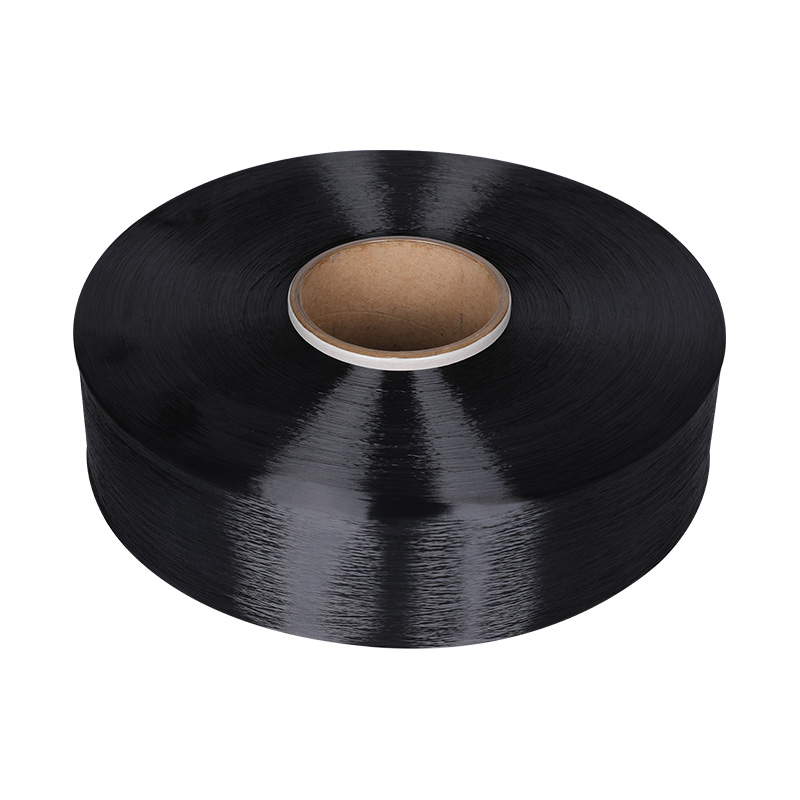
In the global synthetic fiber industry, Fully Drawn Yarn (FDY) plays a critical role in supplying stable, high-performance filaments for a wide range of downstream textile applications. Among the different visual and functional variants of FDY, full dull yarn has gained increasing attention due to its unique surface appearance, balanced mechanical properties, and growing relevance in both apparel and industrial textiles.
Understanding FDY: A Brief Technical Background
FDY, or Fully Drawn Yarn, is a type of synthetic filament yarn that undergoes complete drawing during the spinning process. Unlike partially oriented yarn (POY), FDY is produced at higher spinning speeds and does not require additional drawing before use. As a result, FDY exhibits:
- High dimensional stability
- Low shrinkage
- Uniform linear density
- Consistent tensile properties
FDY is commonly made from polyester or polyamide polymers and is widely used in weaving, knitting, and technical textile manufacturing. The differentiation between FDY yarn types is mainly based on luster, cross-section, denier, and functional additives.
What Is FDY Full Dull Yarn?
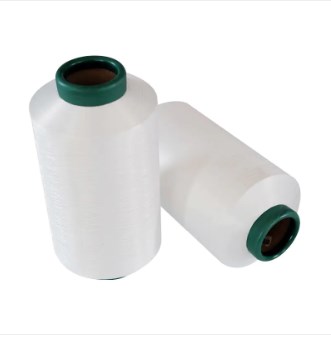
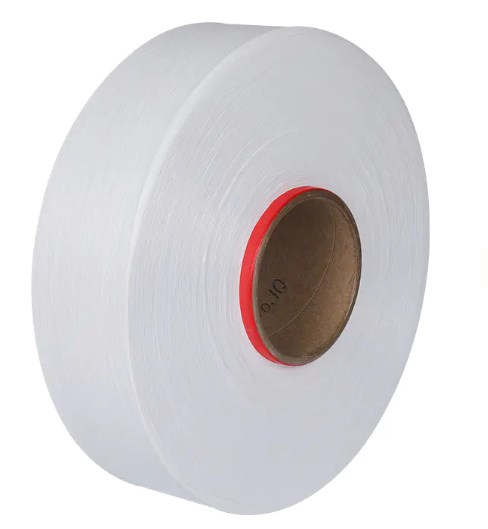
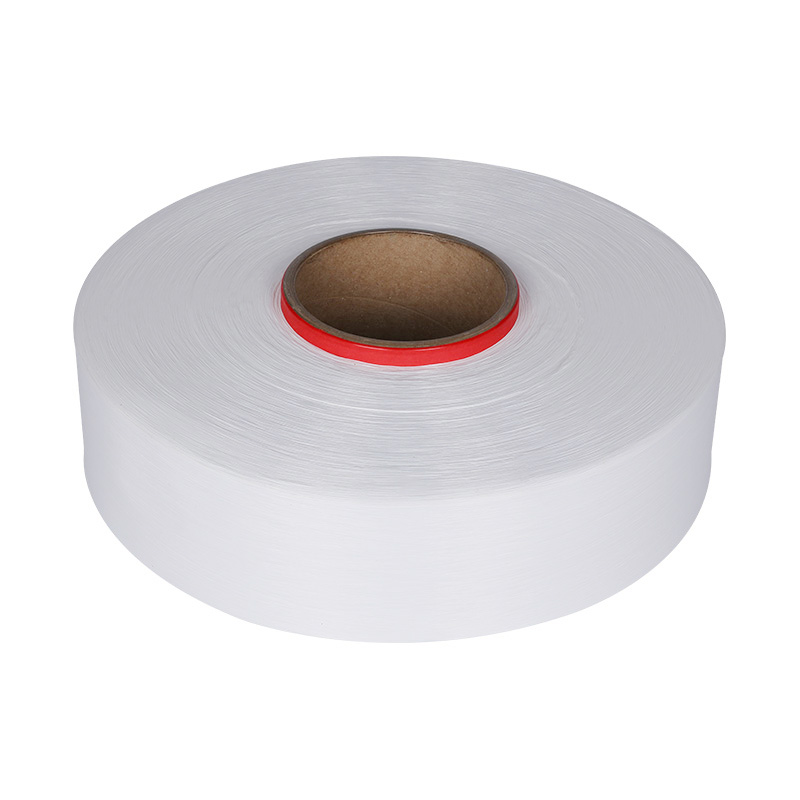
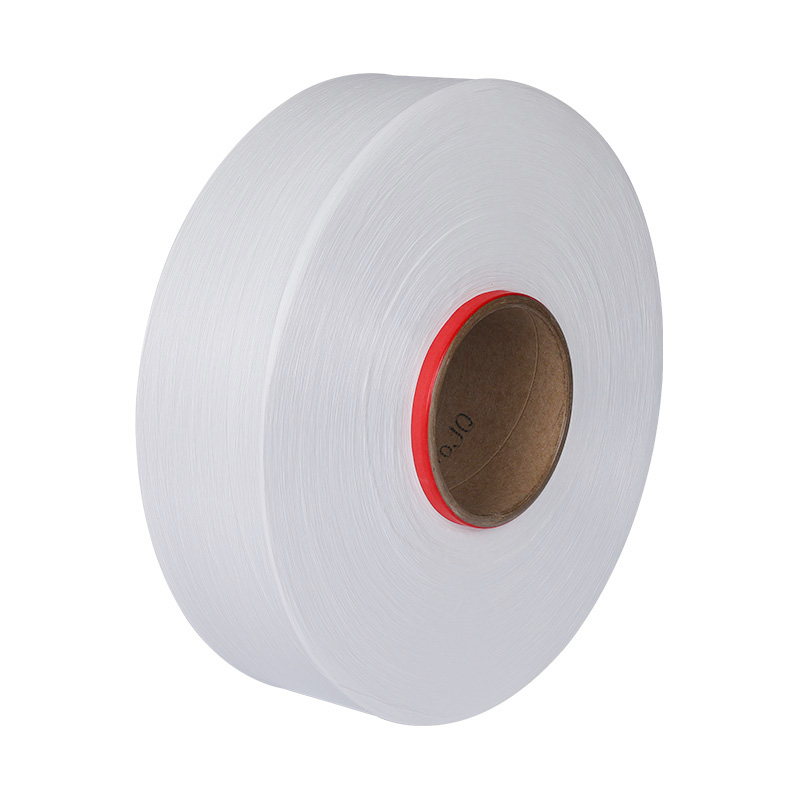
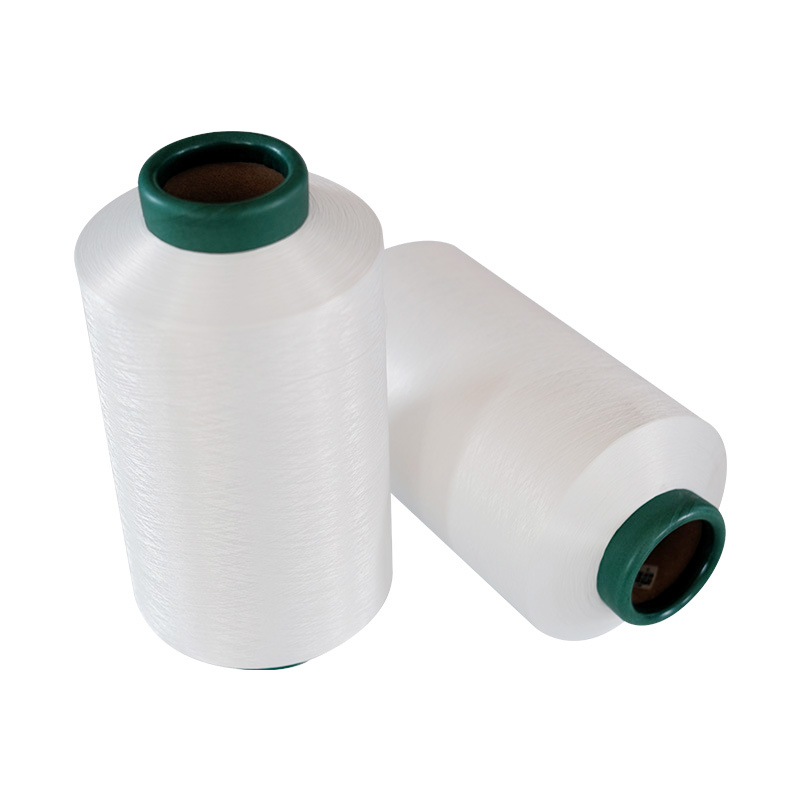
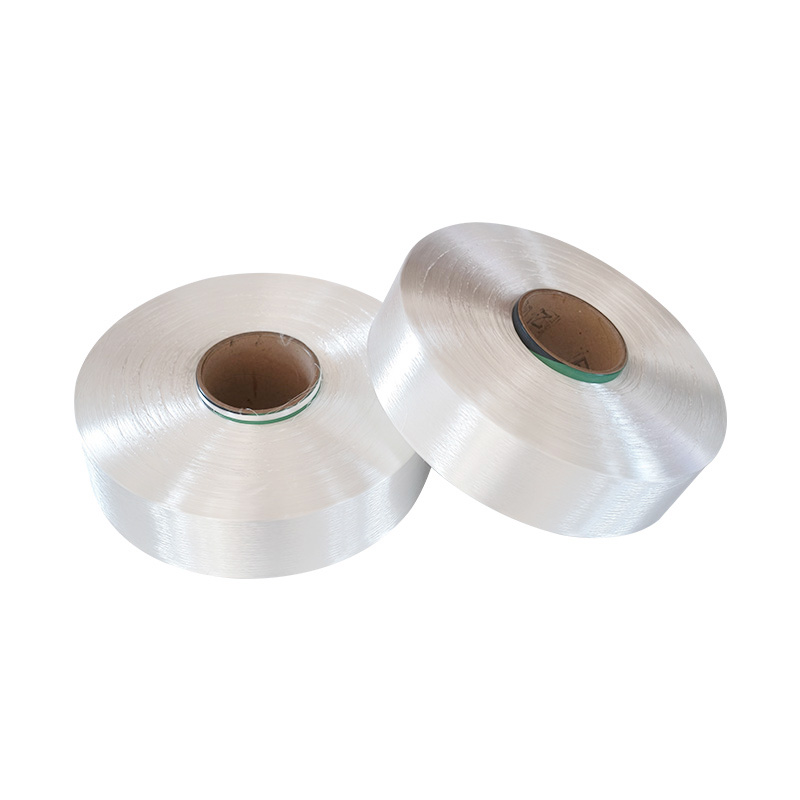
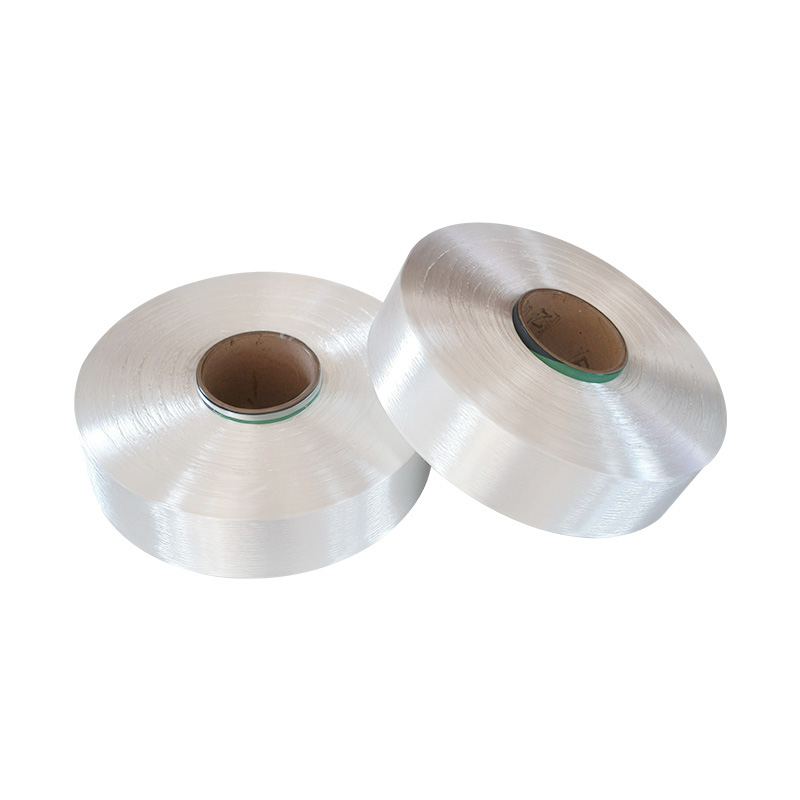
FDY full dull yarn refers to a fully drawn filament yarn that has been modified to achieve a matte or non-reflective surface appearance. This effect is typically achieved by incorporating a controlled amount of delustering agent, commonly titanium dioxide (TiO₂), into the polymer melt before spinning.
The “full dull” classification indicates a higher level of delustering compared with semi-dull or bright yarns. The result is a soft, subdued visual effect that closely resembles natural fibers such as cotton or wool.
Within the FDY full dull yarn series, the yarn maintains all the structural advantages of FDY while offering enhanced aesthetic and functional characteristics that are increasingly valued in modern textile design.
Key Characteristics of FDY Full Dull Yarn
FDY full dull yarn can be identified by a combination of optical, mechanical, and processing-related properties.
Visual Characteristics
- Matte, low-gloss surface
- Reduced light reflection
- Uniform color absorption and diffusion
Physical and Mechanical Properties
- Stable tensile strength
- Consistent elongation
- Low thermal shrinkage
- Good abrasion resistance
Processing Performance
- Smooth weaving and knitting behavior
- Reduced glare under strong lighting conditions
- Enhanced fabric drape and softness
These characteristics make FDY full dull yarn particularly suitable for applications where visual comfort and tactile quality are prioritized.
How FDY Full Dull Yarn Is Produced
The production of FDY full dull yarn follows the general FDY spinning process, with specific modifications in material formulation.
Core Production Steps
- Polymer melting and filtration
- Addition of delustering agent
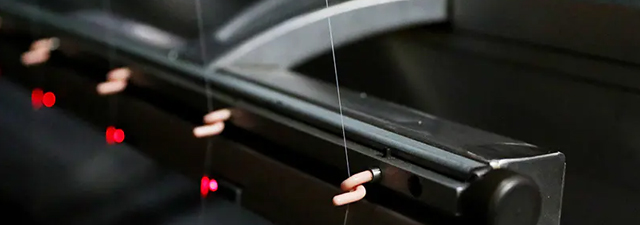
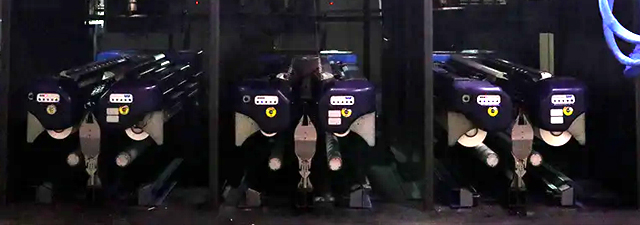
- High-speed melt spinning
- Drawing and orientation
- Cooling, oiling, and winding
The key differentiator lies in the precise control of the delustering agent content. Too little results in insufficient dullness, while excessive amounts may negatively affect yarn strength or uniformity. Therefore, strict process control is essential to ensure stable quality across the FDY full dull yarn series.
Comparison: FDY Full Dull vs. Other FDY Yarns
FDY yarns are commonly categorized based on luster levels. The following table illustrates the primary differences.
| FDY Yarn Type | Surface Appearance | Light Reflection | Typical Applications |
|---|---|---|---|
| Bright FDY | High gloss | Strong | Decorative fabrics, linings |
| Semi-dull FDY | Moderate sheen | Balanced | General apparel textiles |
| Full dull FDY | Matte, soft | Low | Fashion apparel, home textiles |
| Special-shaped FDY | Variable | Application-dependent | Functional and technical uses |
Compared with bright and semi-dull FDY, full dull FDY offers a more natural and understated aesthetic, making it especially relevant for contemporary textile design trends.
Functional Advantages of FDY Full Dull Yarn
The appeal of FDY full dull yarn extends beyond appearance. Its functional advantages contribute significantly to its growing adoption.
Enhanced Visual Comfort
The low-reflective surface reduces glare, making fabrics more visually comfortable in both natural and artificial lighting environments.
Improved Fabric Texture
Full dull yarns often produce fabrics with a softer hand feel and better drape, enhancing wearer comfort.
Versatile Dyeing Performance
The matte surface allows dyes to appear deeper and more uniform, supporting high-quality coloration without excessive brightness.
Stable Processing Behavior
As a fully drawn yarn, FDY full dull yarn offers consistent performance during high-speed weaving and knitting processes.
Applications of FDY Full Dull Yarn
The FDY full dull yarn series supports a wide range of applications across multiple textile sectors.
Apparel Textiles
- Casual wear
- Sportswear
- Fashion garments requiring a natural look
Home Textiles
- Curtains and drapes
- Upholstery fabrics
- Decorative textiles with low-gloss aesthetics
Technical and Functional Textiles
- Interior textiles
- Visual shielding fabrics
- Specialized industrial uses where reduced reflectivity is required
The adaptability of FDY full dull yarn allows it to meet both aesthetic and functional demands without compromising processing efficiency.
FDY Full Dull Yarn in Fabric Construction
The performance of FDY full dull yarn becomes more evident at the fabric level. Its interaction with different fabric structures influences the final textile properties.
| Fabric Structure | Performance Impact of Full Dull FDY |
|---|---|
| Woven fabrics | Enhanced surface uniformity and reduced glare |
| Circular knits | Soft hand feel and improved drape |
| Warp knits | Balanced elasticity and visual stability |
This versatility strengthens the role of FDY full dull yarn series in diversified textile manufacturing.
Sustainability and Material Efficiency Considerations
While FDY full dull yarn is primarily defined by aesthetics, it also aligns with broader industry goals related to material efficiency. Its stable processing performance helps reduce defects, waste, and reprocessing needs during textile production.
In addition, the longer service life of fabrics made from FDY full dull yarn contributes to reduced replacement frequency, supporting more sustainable consumption patterns without requiring radical changes in existing production infrastructure.
FAQ
Q1: What distinguishes FDY full dull yarn from semi-dull FDY yarn?
FDY full dull yarn contains a higher level of delustering agent, resulting in a more matte surface and lower light reflection compared with semi-dull FDY yarn.
Q2: Does full dull FDY yarn have lower strength than bright FDY yarn?
When properly produced, FDY full dull yarn maintains stable mechanical properties comparable to other FDY yarn types, with differences primarily in visual appearance rather than strength.
Q3: Is FDY full dull yarn suitable for high-speed weaving?
Yes, as a fully drawn yarn, FDY full dull yarn offers excellent dimensional stability and uniformity, supporting efficient high-speed textile processing.
Q4: What types of fabrics benefit most from FDY full dull yarn?
Fabrics that require a soft, natural appearance and reduced glare—such as fashion apparel and home textiles—benefit most from FDY full dull yarn.
Q5: Can FDY full dull yarn be used in both woven and knitted fabrics?
Yes, FDY full dull yarn is compatible with a wide range of fabric constructions, including woven, circular knit, and warp-knit structures.